Ukrainian art & cultureOnline


Other dimensions of culture
Other dimensions of culture





Test mode: all content on this site is for testing and will be removed at launch.
Art Glossary
Ukrainian Art&Culture online glossary of art terms covers movements, styles and techniques such as Impressionism, Printmaking, Video art and more.
from Realismto Cyberpunk
34from Oilto 3D Modeling
8from Paintingto Design
7from Trypilliato Contemporary
2313 terms
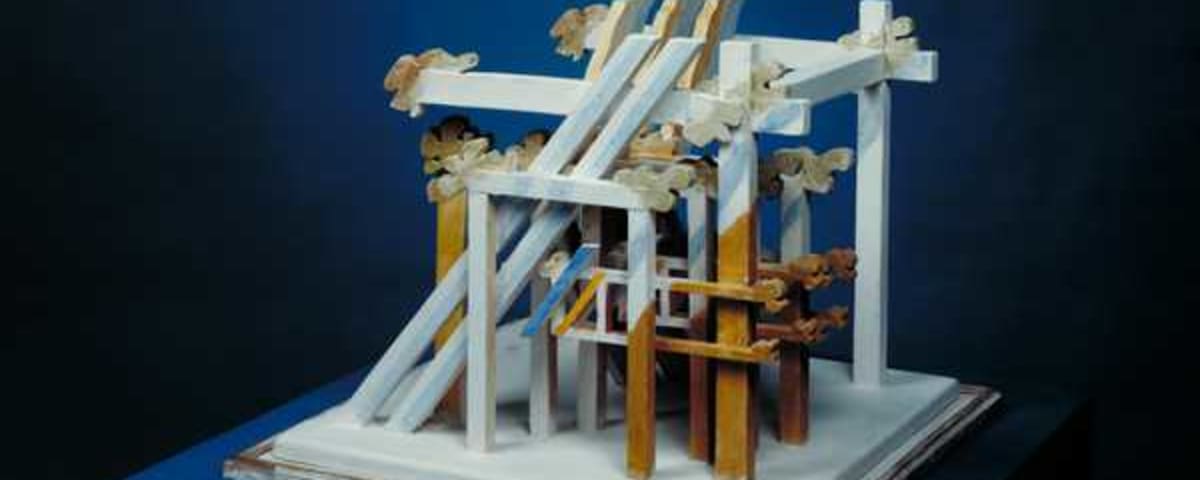
A maquette is a preliminary model, usually small in size, for a larger sculptural or architectural work. The word comes from the French maquette (from the Italian macchietta, meaning "little sketch"), and in sculpture it denotes a rough three-dimensional study in which the artist works out the overall composition, proportions, mass and silhouette of the future work before executing it in its final material and scale. A maquette is often modelled in clay, wax, plaster, plasticine or card; it plays the same role as a preparatory drawing in painting. Maquettes are valuable both as a working tool and as independent works of art that preserve the immediacy of the artist's conception. They allow the course of creative thought to be traced, so museums prize them as evidence of process. In monumental sculpture, a maquette is submitted for monument competitions, used to approve a project and then scaled up to full size. Ukrainian sculptors working on monuments and garden sculpture invariably began with maquettes. The term is also used in architecture, stage design and filmmaking for three-dimensional models of buildings and sets.
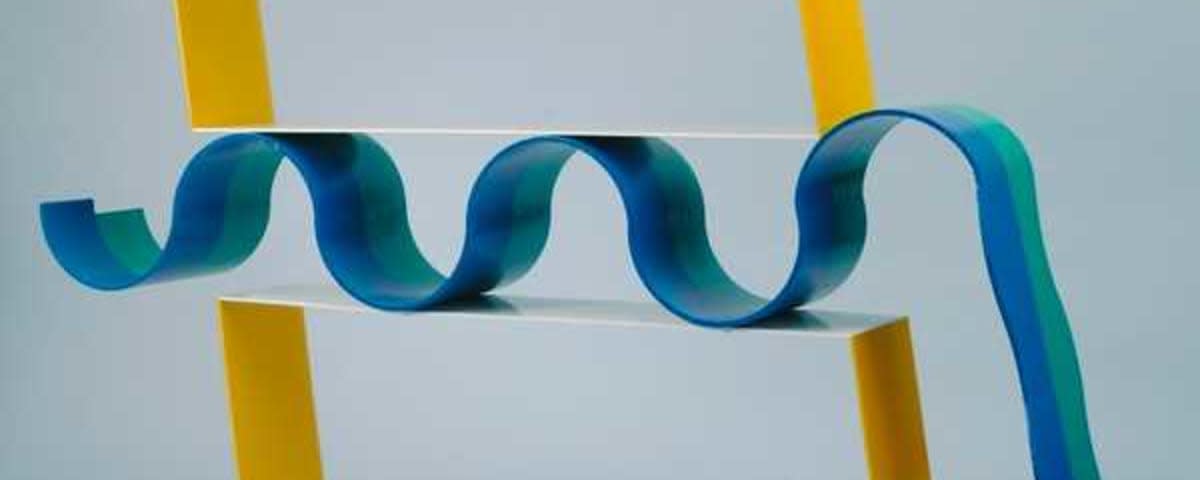
Metal is a hard, strong and opaque material that has been used by sculptors since the earliest times. Owing to its strength, malleability and ability to hold complex forms, metals allow the creation of both monumental sculpture and delicate jewellery. The most common in art are bronze (an alloy of copper and tin), which is cast in moulds, as well as iron, steel, copper, lead, gold and silver. Metal is worked in various ways — casting, forging, chasing, welding and engraving — each giving its own texture and expressiveness. Bronze casting, known since antiquity and perfected in the Renaissance, remains a classic technique of easel and monumental sculpture. In the twentieth century artists began using welded steel and industrial metals extensively: Julio González and David Smith opened a new language of constructed metal sculpture, and the Minimalists valued the cold precision of industrial surfaces. In Ukraine a rich tradition of artistic metalwork reaches back to Scythian gold and Cossack decorative art, and contemporary sculptors continue to work with forging, casting and welding in both monumental and intimate works.
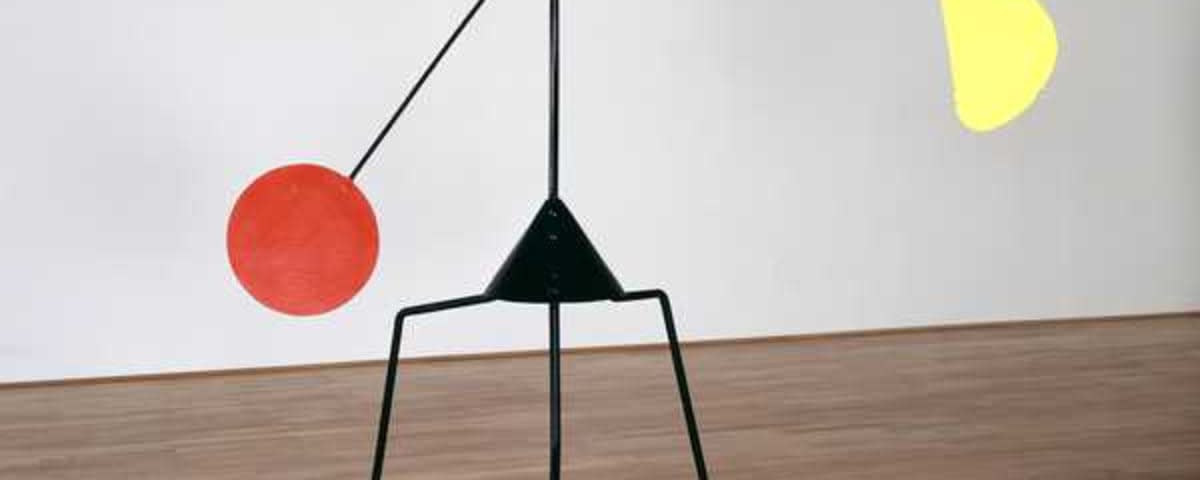
A mobile is a type of sculpture made of delicate components suspended in the air, which move in response to air currents or mechanical force. Unlike static sculpture, a mobile continually changes its configuration, so the viewer never sees it the same way twice: balance, line and space are in constant motion. A mobile usually consists of thin metal rods and flat coloured elements, balanced so that the slightest breath of air sets the whole structure into subtle oscillation. The genre was invented by the American sculptor Alexander Calder in the late 1920s and early 1930s; the name "mobile" itself was suggested by Marcel Duchamp. Calder's abstract compositions of coloured metal "petals" became classics of kinetic art and influenced the understanding of sculpture as an art of time and movement rather than mass alone. The opposite concept, also coined by Jean Arp, is the "stabile" — a stationary construction. Mobiles influenced interior design, children's hanging toys and many twentieth-century artists, affirming the idea that sculpture can be light, airy and ever-changing.
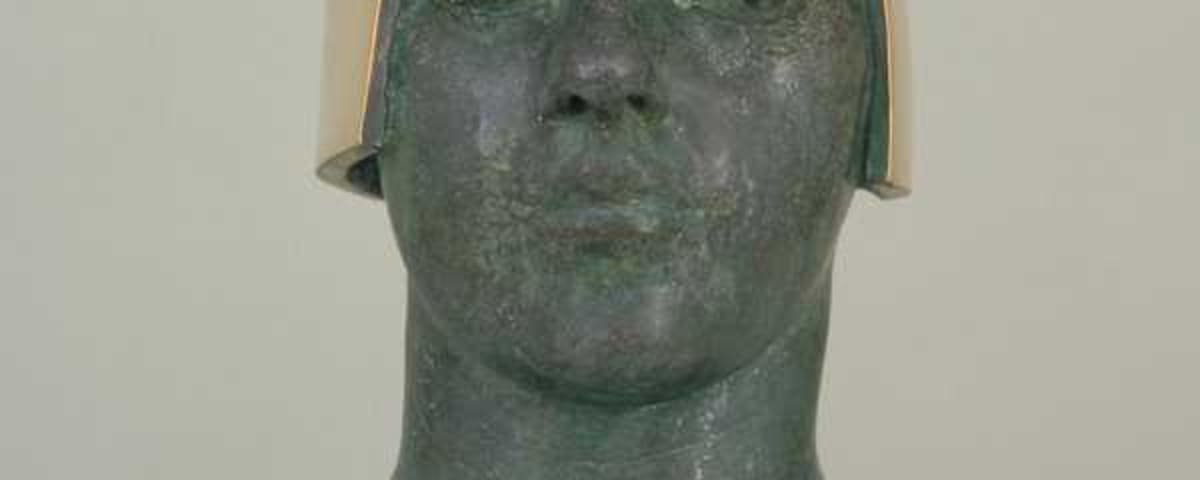
Patina usually refers to the distinctive green or brown surface layer that forms on bronze and other metal sculpture. Natural patina arises from the slow oxidation of metal under the action of air, moisture and time: copper and bronze become coated with greenish or blue-green compounds, while other metals acquire brown, black or silvery tones. Such a layer not only changes the colour of the work but also to some extent protects the metal from further corrosion, giving the sculpture a sense of age and nobility. Besides forming naturally, patina is often applied artificially: sculptors and founders treat the surface of bronze with chemical solutions and heat to obtain the intended colour and texture — from deep green to warm brown or near-black. Patina thus becomes a deliberate artistic means, emphasising form and the play of light on the surface. In a broader figurative sense, the word "patina" describes the sheen of time on any old objects — tarnished metal, worn wood — as well as the aesthetic value of the marks of ageing. Conservators carefully distinguish valuable historic patina from harmful products of corrosion.
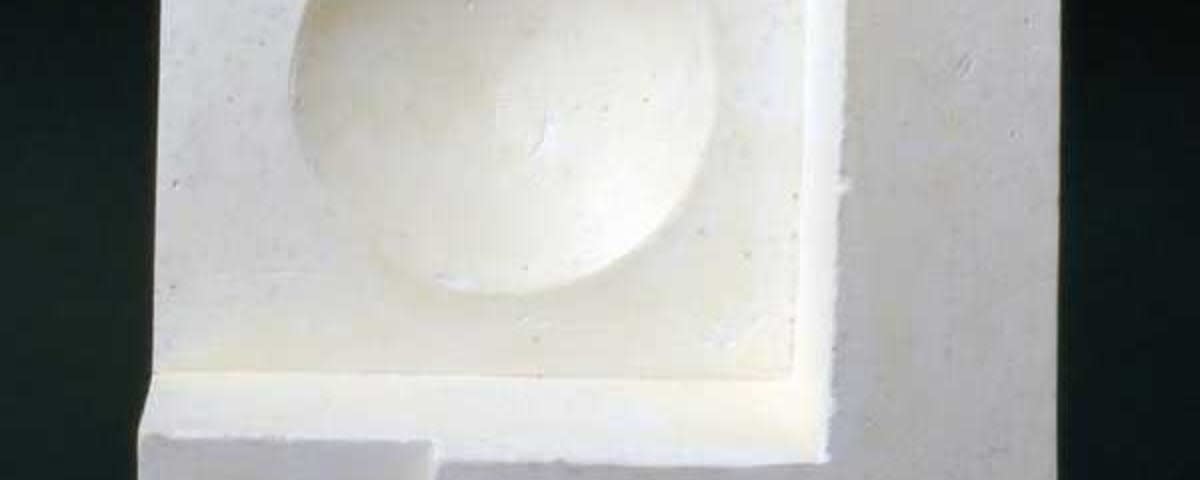
Plaster of Paris is a fine white powder which, mixed with water, forms a pliable paste that quickly sets into a white solid mass. Chemically it is calcium sulphate hemihydrate, obtained by calcining natural gypsum stone. As it sets, the mass expands slightly and reproduces the finest details of a mould precisely, which makes plaster an indispensable material in sculpture and casting. It is used to make models, moulds for casts, casts themselves and architectural decoration. In the sculptural process plaster plays a key role as an intermediate material: a clay model is translated into a strong plaster cast, from which the final work is then executed in bronze or marble. Plaster casts of ancient statues served for centuries as teaching aids in art academies, including Ukrainian art schools, where students mastered drawing and modelling from life. Plaster is also used in medicine, construction and decorative finishing owing to its cheapness, ease of working and whiteness. Its drawbacks — brittleness and sensitivity to moisture — limit its use as a final display material.
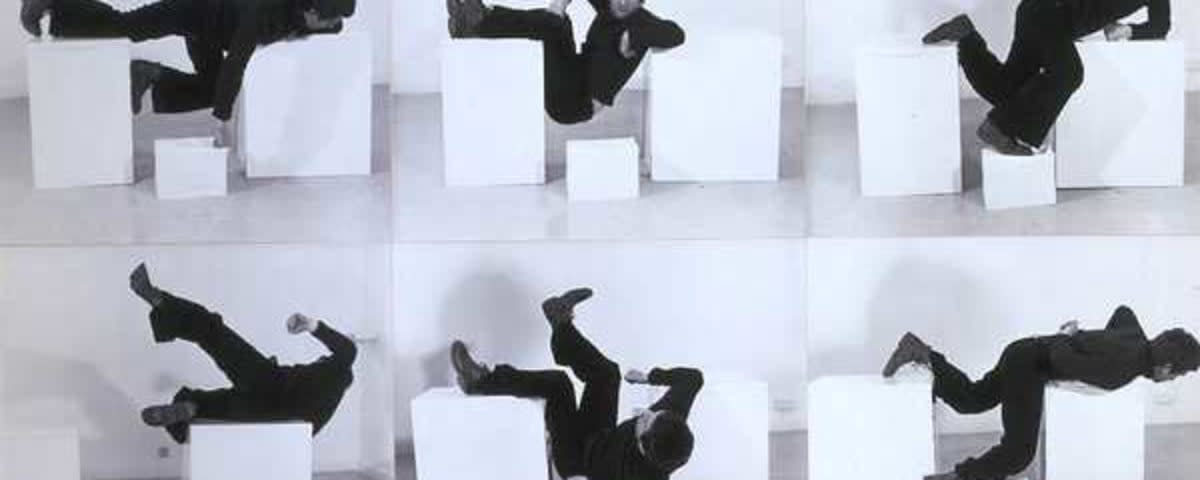
A plinth is a heavy base, pedestal or box on which a sculpture stands and is presented. The plinth raises the work above the level of the floor or ground, separates it from the surrounding space and brings it into the viewer's field of vision at the required height, while also physically stabilising the statue. The form of the plinth — a plain cube, a cylinder or a moulded pedestal — affects the perception of the sculpture: it can emphasise the work's monumentality or, conversely, recede unobtrusively, giving all attention to the sculpture itself. Historically the pedestal was an integral part of monumental and easel sculpture, often adorned with reliefs, inscriptions or architectural decoration. In the twentieth century, however, attitudes to the plinth changed radically: Constantin Brâncuși began treating the pedestal as part of the work itself, while Minimalists and Land-art figures often dispensed with it altogether, placing sculpture directly on the floor to break the "pedestal-viewer" hierarchy and involve real space. Thus the plinth was transformed from a purely utilitarian support into an independent subject of artistic reflection on the status and limits of the sculptural work.
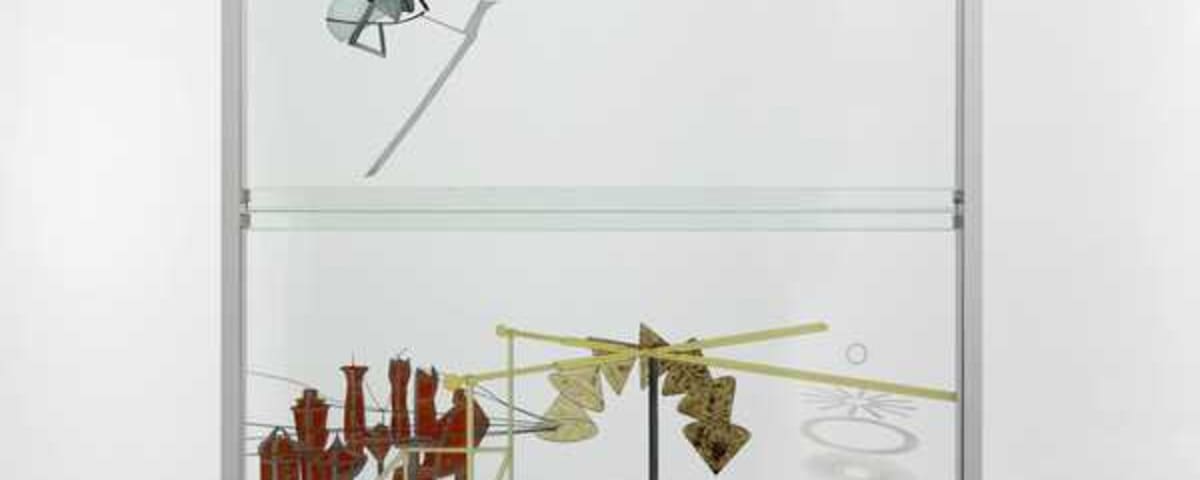
A replica is a copy of a work of art that is practically indistinguishable from the original in size, material and execution. Unlike an ordinary copy made by an outside hand, the classic replica is often created by the author of the original, or in the author's workshop under supervision, when the artist repeats a successful composition to the order of another client. Because of this the replica has a special status: it is an authentic work by the same master rather than a later imitation, although it is not the primary, "first" version of the conception. The practice of making replicas was widespread throughout the history of art: successful portraits, altarpieces or popular compositions were repeated to meet demand. In sculpture, authorised casts from the same mould are often called replicas. The term requires precision in art history, for it must be distinguished from the notions of "version" (a variant with differences), "copy" (executed by another hand) and "forgery" (deliberately passed off as an original to deceive). In museum and exhibition practice, replicas are also made for display in place of fragile or lost originals, thereby preserving public access to monuments.

Resin is a usually transparent solid or semi-solid substance sometimes used by sculptors as a material for works and casts. A distinction is made between natural resins secreted by trees (such as amber or rosin) and modern synthetic resins — polyester, epoxy and polyurethane — which, as a liquid, are mixed with a hardener and poured into a mould, where they set into a strong, light and durable mass. Synthetic resins can be crystal-clear, tinted or filled with dyes and metal powder, giving a wide range of effects. Thanks to its transparency, lightness and ability to reproduce the fine details of a mould, resin became a popular material in the twentieth and twenty-first centuries. It is used for reproduced sculptures, design objects and jewellery, and for unique works in whose depth the artist "embeds" objects or creates the effect of frozen water and light. The transparency of resin allows play with the interior space of an object, which opaque metal or stone cannot. At the same time, working with resins requires care because of the toxicity of the fumes, so artists observe safety precautions. Resin is also widely used in conservation and as an artist's varnish.