Ukrainian art & cultureOnline


Other dimensions of culture
Other dimensions of culture





Test mode: all content on this site is for testing and will be removed at launch.
Art Glossary
Ukrainian Art&Culture online glossary of art terms covers movements, styles and techniques such as Impressionism, Printmaking, Video art and more.
from Realismto Cyberpunk
34from Oilto 3D Modeling
8from Paintingto Design
7from Trypilliato Contemporary
2311 terms
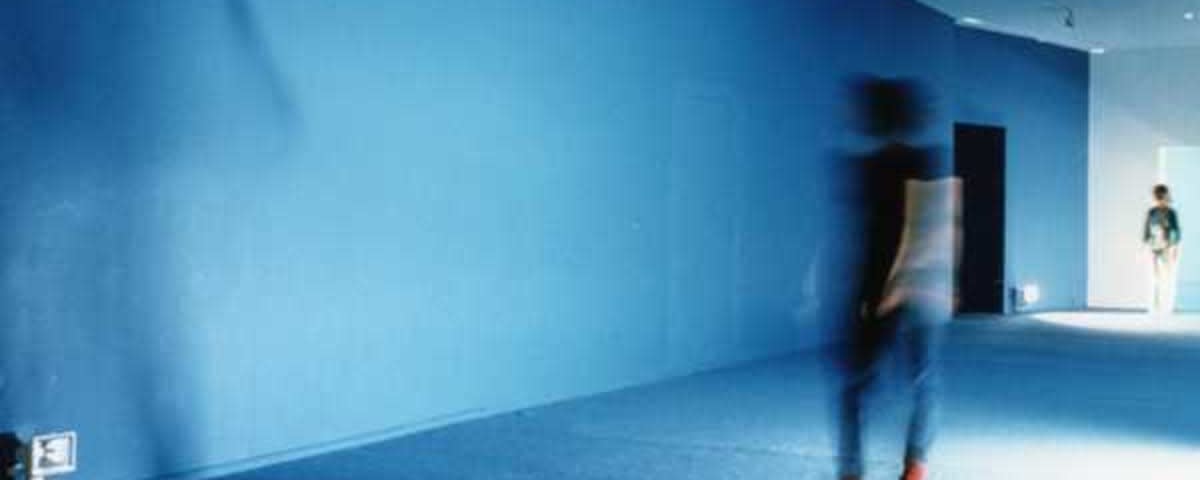
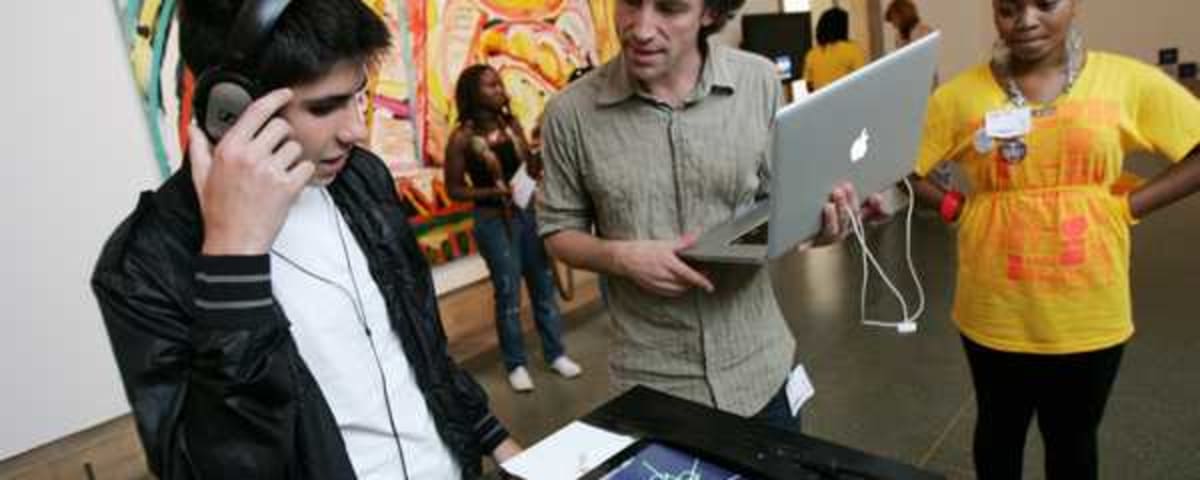
Interactive art is a form of art that depends on the participation of the viewer: the work is realised not as a finished object for contemplation but as a process that the viewer activates, alters or completes through their actions. The response may be physical (touch, movement, voice), spatial (moving one's body through an installation) or digital (interaction with sensors, cameras and code). In this way the boundary between author and public dissolves and the viewer becomes a co-creator; every session of interaction produces a unique course of events. The roots of interactivity lie in kinetic art, happenings and the Fluxus experiments of the 1960s, when artists drew the public into action. With the arrival of computers, sensors and networks at the end of the twentieth century, interactive art flourished as media installations, augmented-reality works and adaptive environments. Artists such as Myron Krueger with Videoplace, or Rafael Lozano-Hemmer, created spaces that respond to human presence. Interactive art raises questions of authorship, embodiment and participation, remaining an important strand of contemporary media practice, including within the Ukrainian digital scene.
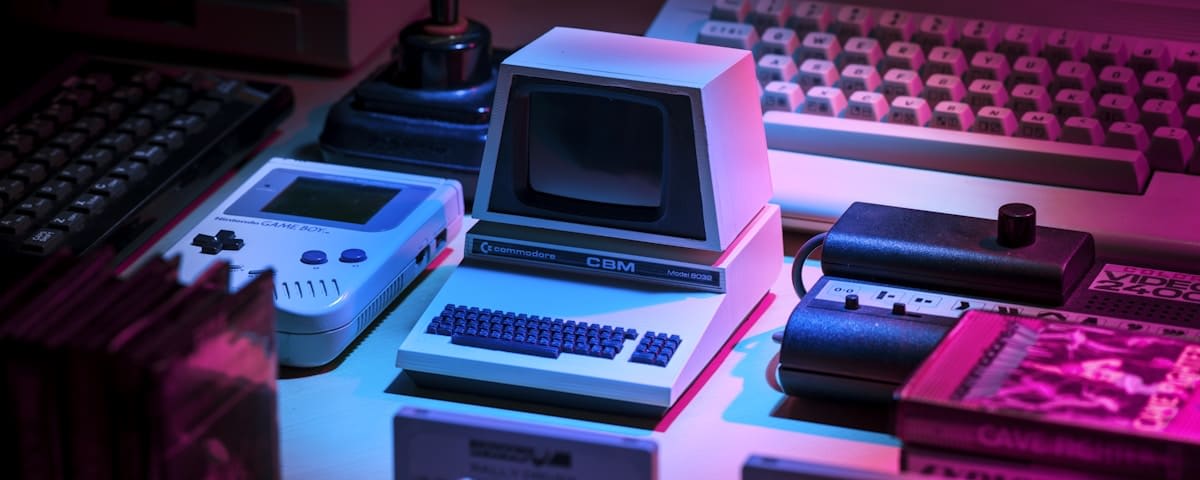
Internet art is art made on and for the platform of the Internet, also known as net art or net.art. Instead of the gallery space, its environment is the web browser, the web page, email, social networks or the code of the protocol itself; a work may be a link, a website, a bot or a performance unfolding in real time online. Its key features are accessibility without institutional mediation, interactivity, community participation and reflection on the very nature of the network — its structure, errors, surveillance and culture. The movement took shape in the mid-1990s, when artists such as Vuk Ćosić, Olia Lialina, the group JODI, Alexei Shulgin and Heath Bunting began using browser glitches, hypertext and HTML as artistic means. The term net.art, by legend, was born from an accidentally corrupted email. Later came the post-internet wave, reflecting on the ubiquity of the digital in physical life. Internet art poses questions of authorship, reproducibility, privacy and collective creativity; Ukrainian media artists also take part in these practices, working with networked imagery and digital activism.
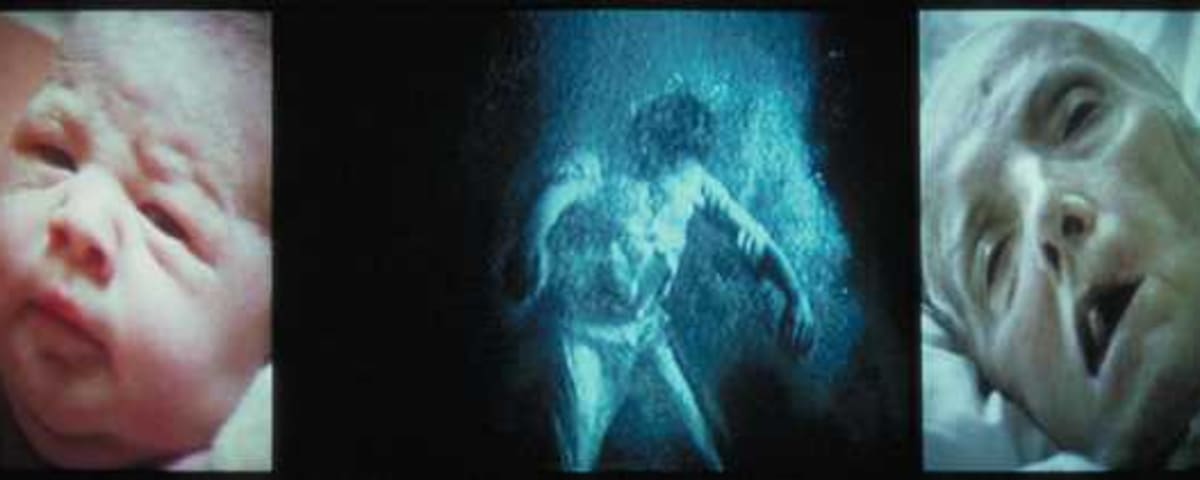
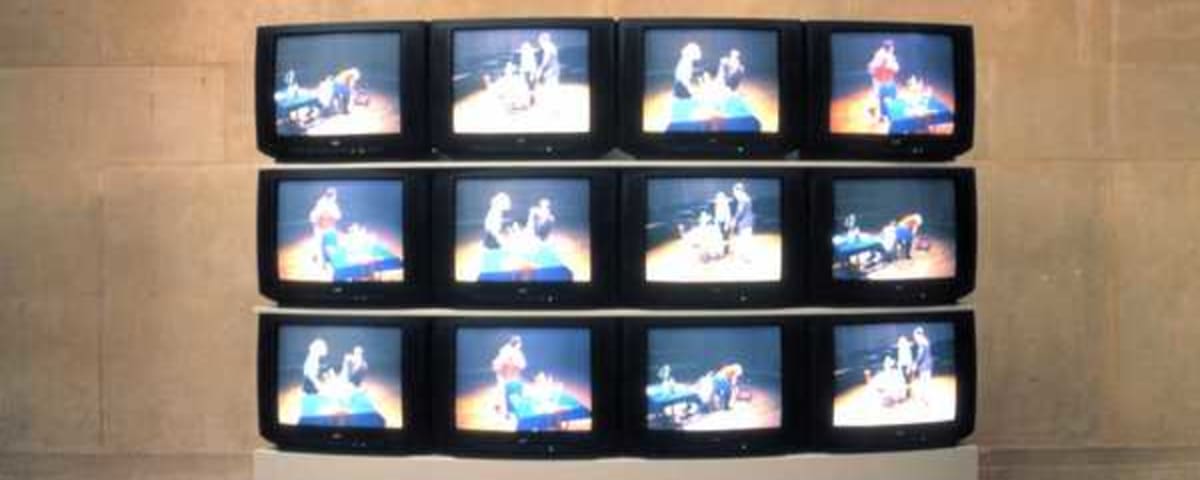
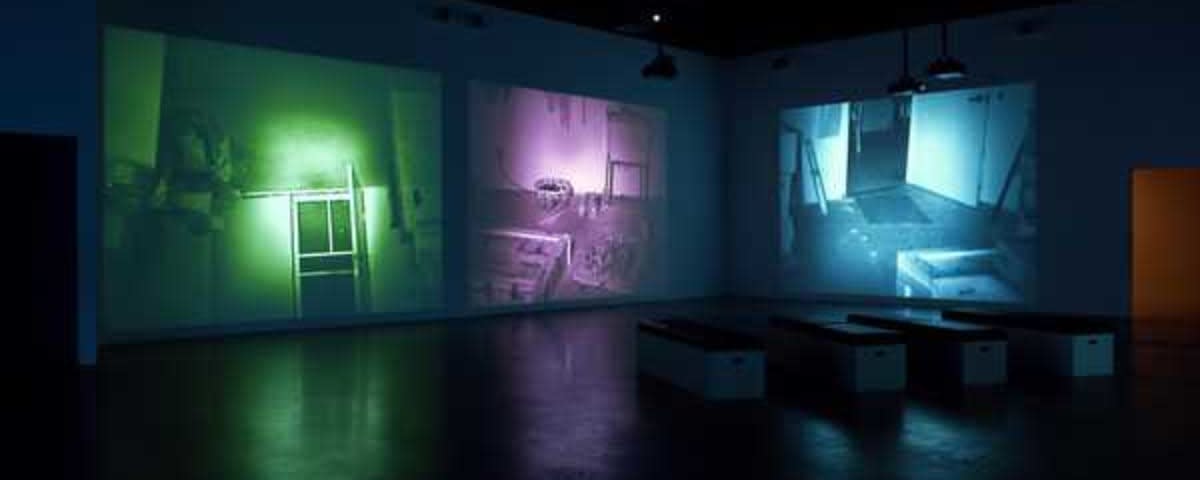
Video as an art form (video art) is art based on moving images that involves the use of video and/or audio data. Unlike film or television, video art usually lacks a commercial narrative structure and instead explores time, duration, the body, space and the medium itself. The form emerged in the late 1960s when affordable portable video cameras, notably the Sony Portapak, allowed artists to record and immediately replay footage. Nam June Paik is regarded as a pioneer, and his experiments with television sets and monitors laid the foundations of the genre. Video art developed through performance, closed-circuit installations and multi-channel projections; influential figures include Bill Viola and Bruce Nauman. As digital technology and projectors spread, video became one of the central media of contemporary art, often integrated into large-scale installations. In Ukraine video art developed vigorously from the 1990s in the practices of contemporary artists who used the moving image to reflect on memory, identity and social transformation.
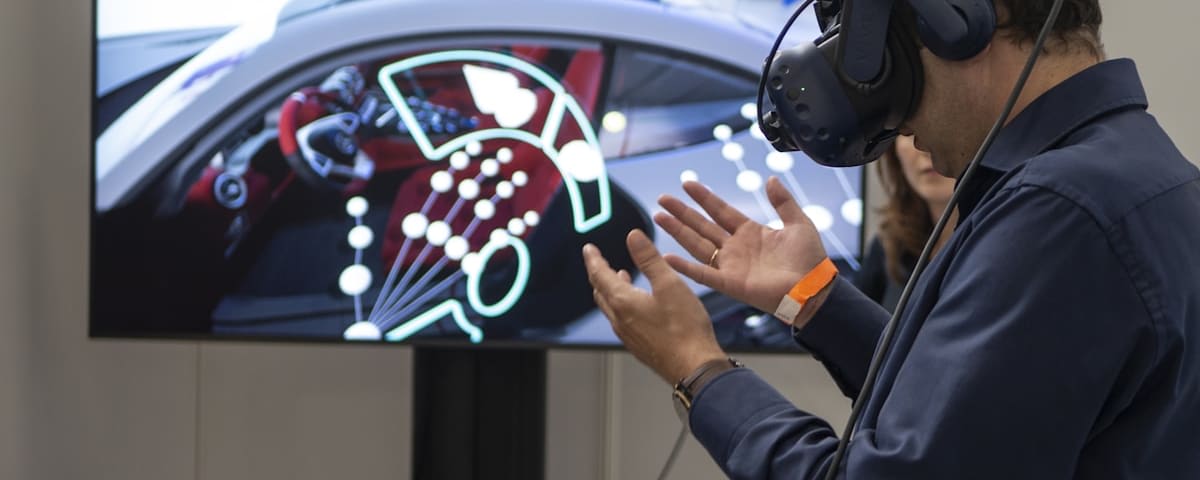
Virtual reality (VR) is a technology that allows a person to interact with a computer-simulated environment that may be based on either a real or an imagined place. Immersion is achieved through headsets, stereoscopic displays, spatial audio and motion sensors that track the position of the user's body and head, producing a sense of presence within a three-dimensional space. Concepts of artificial environments reach back to mid-twentieth-century experiments, including Morton Heilig's Sensorama device and the early head-mounted displays developed by Ivan Sutherland in the 1960s. The term virtual reality was popularised by Jaron Lanier in the late 1980s. In contemporary art VR has become an expressive medium that lets artists build entire worlds explored from within, dissolving the boundary between the work and the participant. Artists use VR for immersive installations, first-person storytelling and social commentary. The technology is closely linked to augmented reality and raises new questions about embodiment, perception and authorship in the digital age.