Ukrainian art & cultureOnline


Other dimensions of culture
Other dimensions of culture





Test mode: all content on this site is for testing and will be removed at launch.
Art Glossary
Ukrainian Art&Culture online glossary of art terms covers movements, styles and techniques such as Impressionism, Printmaking, Video art and more.

from Realismto Cyberpunk
34from Oilto 3D Modeling
8from Paintingto Design
7from Trypilliato Contemporary
2343 terms
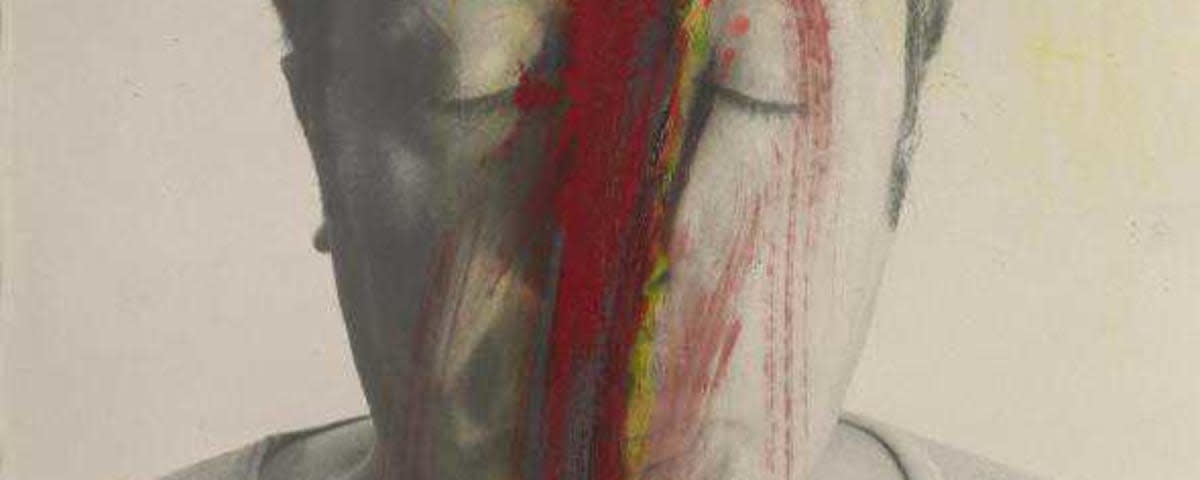
Actionism is the English term for the Viennese group Wiener Aktionismus (Viennese Actionism), founded around 1962. It was a radical movement in performance art whose actions were deliberately shocking and often involved self-harm, the use of blood, animal carcasses, bodily fluids and ritualised violence. The artists sought to break down the boundaries between art and life, to provoke the viewer and to expose the hidden aspects of the human psyche, sexuality and collective trauma. The main members of the group were Hermann Nitsch, Günter Brus, Otto Muehl and Rudolf Schwarzkogler. Their actions unfolded in the context of postwar Austria and reacted against repressed memory, conservative morality and the legacy of totalitarianism. The most ambitious project was Hermann Nitsch's Orgies Mysteries Theatre, multi-day ritual events with a complex symbolism of sacrifice and catharsis. Viennese Actionism had a significant influence on the development of performance, body art and conceptual art, affirming the body and direct action as a fully valid artistic means and a means of social provocation.

Body art is art in which the body, usually the artist's own body, is the primary medium and focus of the work. Instead of depicting the body in painting or sculpture, the artist uses their own physical presence, action, endurance, pain or risk as direct material. Body art is closely linked with performance and often exists only in the moment of execution, surviving afterwards as photographs, video or descriptions. The tendency took shape in the late 1960s and 1970s in the context of conceptual art, feminist thought and a desire to move beyond the traditional object. It raises questions of identity, gender, embodiment, the limits of endurance and the relationship between artist and viewer. Among its well-known representatives are Marina Abramović, who explored the limits of the physical and psychic through long, exhausting actions; Vito Acconci; Chris Burden, who exposed himself to danger; and Ana Mendieta, who joined the body with landscape and ritual. Body art expanded the notion of what can be artistic material and deeply influenced the later development of performance and socially engaged practice.
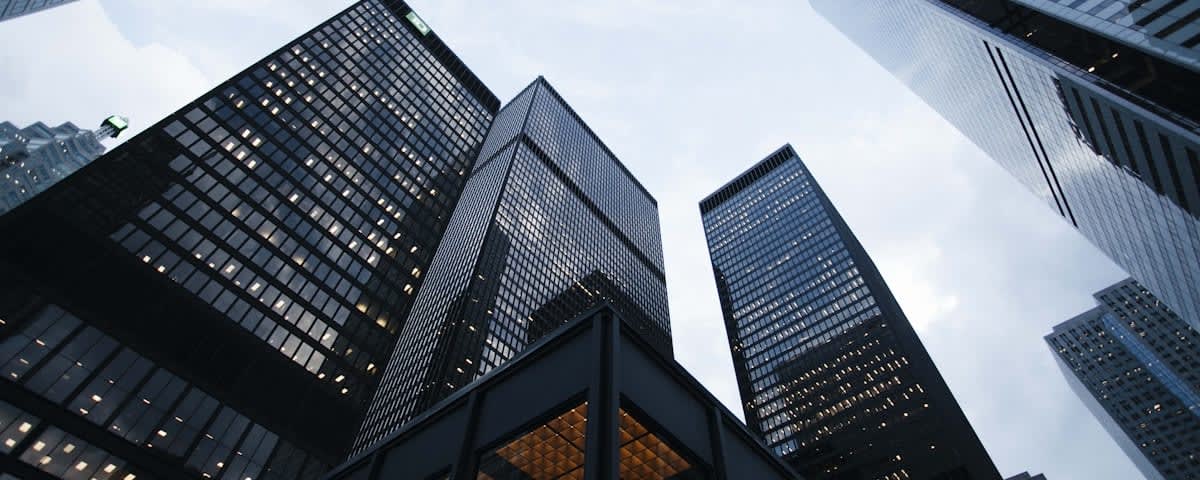
Brutalism is an architectural style of the 1950s and 1960s characterised by simple, massive, blocky forms and exposed, rough concrete construction. The name derives from the French phrase béton brut, raw concrete, popularised by the architect Le Corbusier. Brutalism is typified by bare surfaces of untreated concrete bearing the marks of wooden formwork, by monumentality, repeating modular elements and an emphatic honesty in displaying materials and structure. The style grew out of the postwar need for rapid and economical construction of housing, schools, universities and public buildings. The theoretical grounding of the New Brutalism was provided by the British architects Alison and Peter Smithson, and among its landmark examples are Le Corbusier's Unité d'Habitation in Marseille, the National Theatre building and the Barbican complex in London. Brutalism was often linked with ideas of social utopia and collective welfare. It was later criticised for its grimness and inhuman scale, and many buildings decayed or were demolished. Yet since the early twenty-first century interest in Brutalism has revived, and its legacy is being reassessed as an important chapter of modernist architecture.
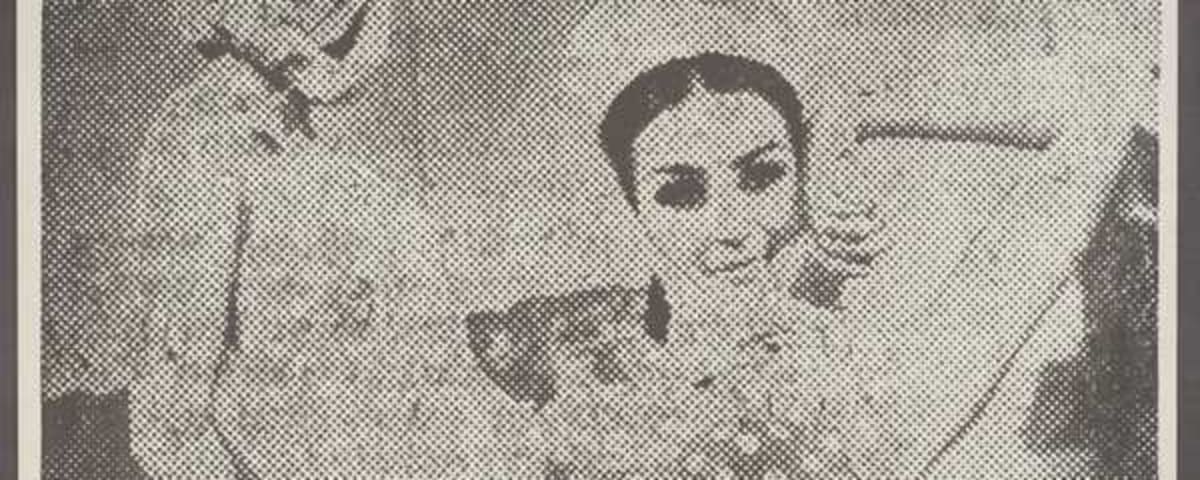
Capitalist Realism was a movement that arose in Düsseldorf and Berlin in Germany around 1963 to challenge the dominant influence of American Pop art in the Western world while also ironically playing on the official art of totalitarian regimes. The name itself is a parodic play on the term Socialist Realism, the state-imposed official style of communist countries; the artists transferred this logic to consumer society, making advertising, commodities and Western mass culture the subject of art. The tendency was founded by the artists Gerhard Richter, Sigmar Polke and Konrad Lueg, later known as the gallerist Konrad Fischer. In 1963 Richter and Lueg staged a provocative event in a furniture store in Düsseldorf, presenting an everyday setting as an art exhibition. Works of Capitalist Realism drew on images from newspapers, advertising and household goods, often treating them with a restrained, critically detached irony, in contrast to bright American Pop art. The movement reflected the particular German experience of the postwar economic miracle and a divided country, and it was an important stage in the formation of influential individual practices, above all that of Gerhard Richter.
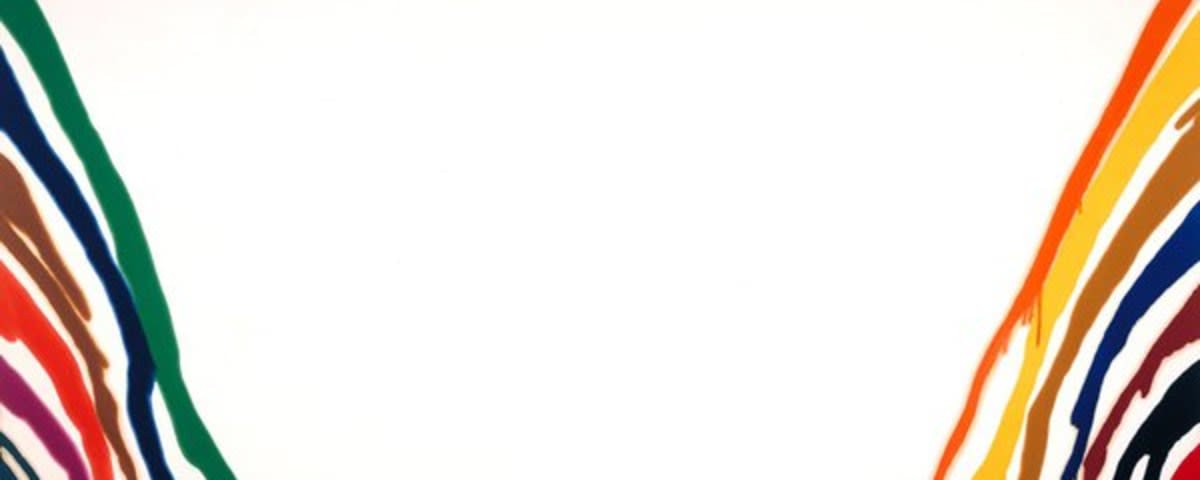
Colour field painting is a term describing the work of abstract artists active mainly in the 1950s and 1960s, characterised by large areas of more or less uniform, single-toned colour. Unlike gestural action painting, colour field avoids the visible brushstroke, drama and personal trace of the hand, instead emphasising a continuous, almost boundless expanse of colour that envelops and surrounds the viewer. The tendency is closely linked with Abstract Expressionism; its early pioneers were Mark Rothko with his rectangles of softly glowing colour, Barnett Newman with his vertical zips, and Clyfford Still. These artists sought to evoke sublime, contemplative, almost religious experience through the sheer presence of large-scale colour. In the 1950s and 1960s a second generation, Helen Frankenthaler, Morris Louis and Kenneth Noland, developed the soak-stain technique (pioneered by Frankenthaler in 1952), in which thinned paint soaked directly into unprimed canvas, merging with its surface. The critic Clement Greenberg theorised this approach as a logical step toward the purity of painting. Colour field remains one of the most influential currents of postwar abstraction.

Conceptual art is a movement of the second half of the twentieth century for which the idea or intention of a work matters more than its material embodiment and aesthetic form. As one of the movement's theorists, Sol LeWitt, put it, "the idea becomes a machine that makes the art": the mental concept itself, rather than skill of execution or beauty of the object, is recognized as the true content. Conceptual works are therefore often stripped of traditional "pictorialism" and appear as texts, instructions, documentation, photographs, diagrams, ready-made objects or ephemeral actions. The style questions the status of the art object, the role of the artist, the museum and the market, drawing the viewer into intellectual play and critical reflection. The movement's origins are linked to Marcel Duchamp's "Fountain," while classic examples were created by Joseph Kosuth with "One and Three Chairs," Lawrence Weiner, the Art & Language group and Yoko Ono with her instruction pieces. The language of conceptualism is the analysis of the very notion of art, the investigation of the relation between word, image and thing. In the Eastern European context a Soviet conceptualist circle developed, and in Ukraine kindred practices marked the work of nonconformist artists and later actionist and media experiments. By renouncing the unique handmade object in favor of thought, conceptual art radically expanded the boundaries of art and prepared the ground for performance, installation and contemporary post-medium practices.
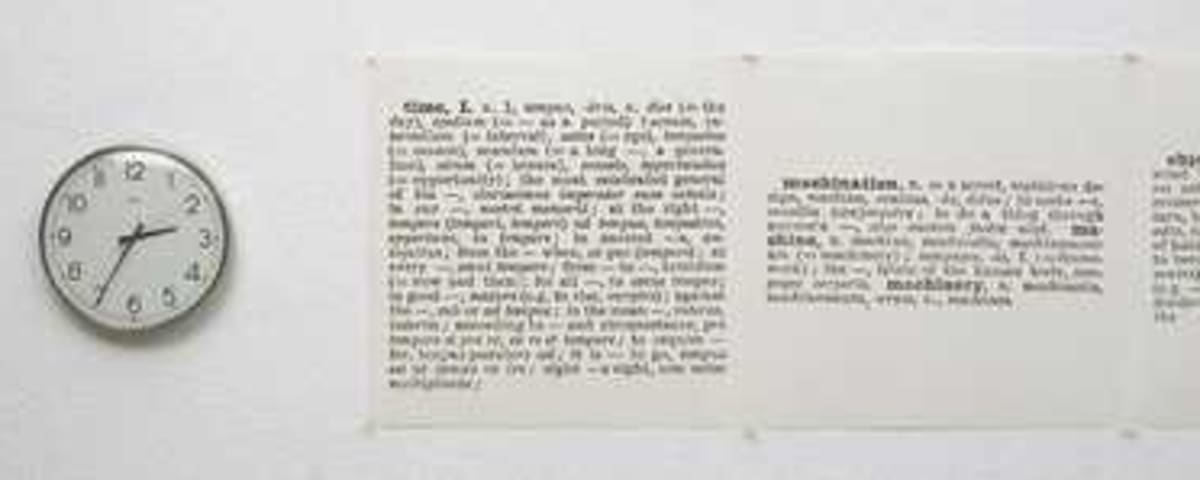
Conceptual art is a term that came into use in the late 1960s to describe a broad range of practices in which the concept or idea behind a work is elevated above traditional aesthetic and material concerns. In the words of one of the movement's theorists, Sol LeWitt, the idea becomes a machine that makes the art: the plan, intention or instruction may matter more than the final physical object, and sometimes the object is absent altogether. Conceptual art called into question the fundamental notions of authorship, craftsmanship, uniqueness and the commodity status of the artwork. It took the form of texts, instructions, documentation, photographs, diagrams and actions. A landmark is Joseph Kosuth's One and Three Chairs (1965), which juxtaposes a real chair, its photograph and a dictionary definition, exploring the nature of representation. Among its influential figures are Sol LeWitt, Joseph Kosuth, the group Art & Language, Lawrence Weiner and Yoko Ono. The movement's roots reach back to the readymades of Marcel Duchamp in the early twentieth century. Conceptualism fundamentally changed ideas of what art can be and remains a foundation for much contemporary practice.
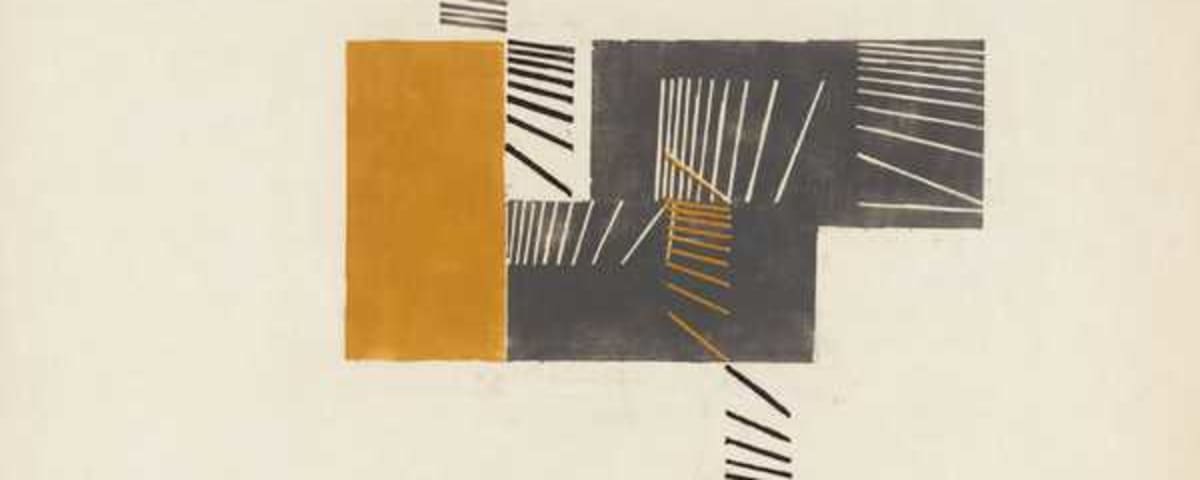
Constructionism is a strand of abstract art that developed in Britain from around 1950 as a late extension of the constructivist tradition. Rather than depicting the visible world, its practitioners sought to build the artwork according to objective, rational principles. They drew on naturally occurring proportional systems, mathematical sequences and rhythms to give geometric abstraction a sense of underlying order and harmony. Leading figures included Victor Pasmore, Kenneth Martin, Mary Martin and Anthony Hill, who produced reliefs, constructions and mobiles using industrial materials such as metal, glass and plastic. Constructionism rejected emotional spontaneity in favour of clarity, precision and structure, treating the work of art as something constructed rather than imitated. The movement is significant for carrying forward the analytical, materials-based ethos of European constructivism into the post-war period, and for its influence on later systems-based and kinetic art. It demonstrated that abstraction could be grounded in logic and measurement rather than in expressive impulse, offering an alternative to the gestural painting dominant at mid-century.
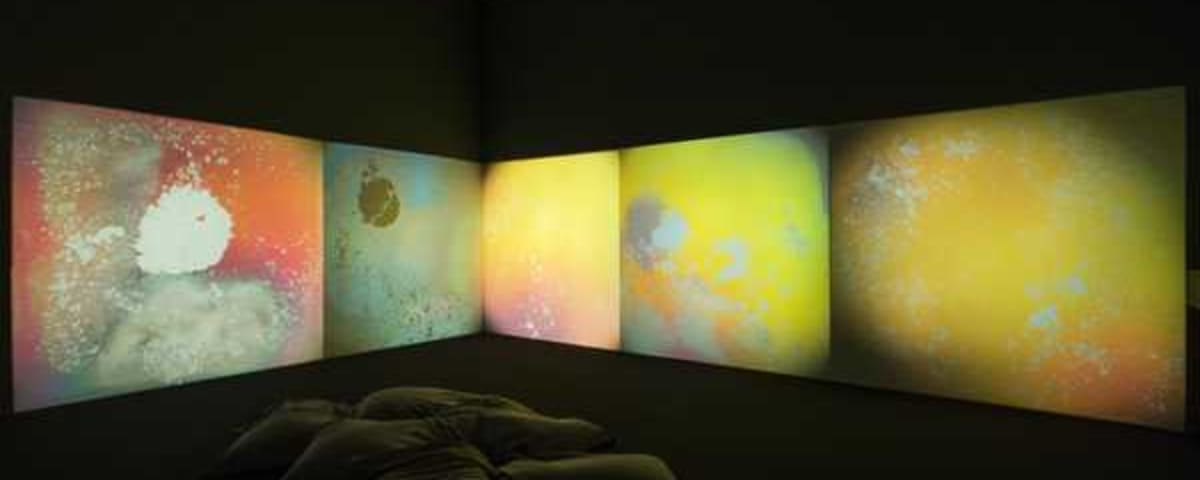
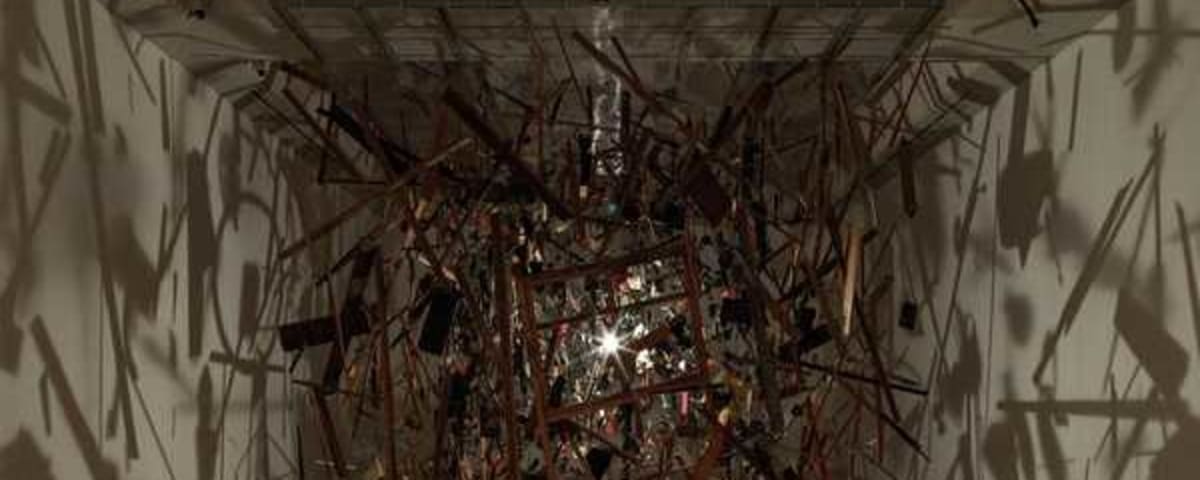
Environments is a term used as an alternative name for installation art. It refers to mixed-media constructions or assemblages, usually devised for a specific site and for a temporary period, which the viewer can physically enter and experience with the whole body. Unlike a traditional painting or sculpture contemplated at a distance, an environment surrounds the visitor, transforming them from a passive observer into a participant in the space. The concept became widespread in the late 1950s and early 1960s, when artists began to move beyond the frame and the pedestal to create total spatial situations. A key figure was Allan Kaprow, who linked the idea of environments directly to happenings; his early rooms filled with objects became a model for the genre. The tradition of environments also includes the work of Claes Oldenburg and Edward Kienholz, with his grim lifelike tableaux, as well as many experiments of Pop art and Neo-Dada. Historically the term marks an important stage in the shift from object-based art to spatial experience, which later crystallised into the independent field of installation.

Expanded cinema is a term covering film, video, multimedia performance or immersive environments that go beyond the traditional cinema screening and reject the conventional one-way relationship between a passive audience and a flat screen. The term was popularised by the critic and theorist Gene Youngblood in his 1970 book Expanded Cinema, in which he understood new screen-based art forms as an extension of human consciousness. In practice, expanded cinema may project images onto multiple screens at once, onto three-dimensional surfaces, bodies or entire rooms; the screening is often combined with performance, live music, light effects and audience participation. Such experiments flourished in the 1960s within underground film and intermedia art, pursued by figures such as Stan VanDerBeek, Carolee Schneemann, the USCO collective and the scene associated with Andy Warhol. Expanded cinema anticipated the emergence of video art, moving-image installation and contemporary immersive media. It questioned the very boundaries of cinema, turning viewing into a spatial, bodily and collective experience rather than the contemplation of a narrative.
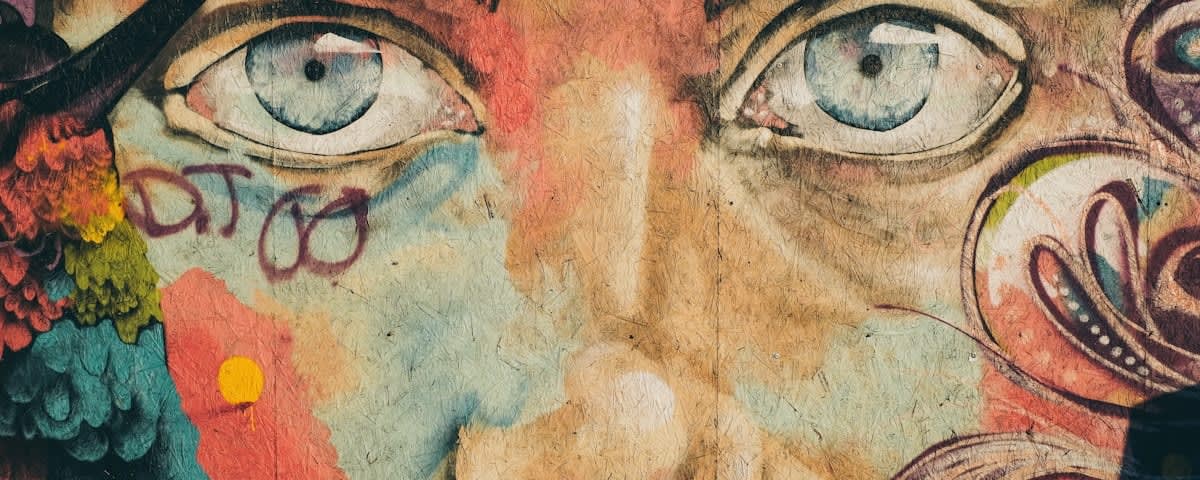
Fantastic realism is a movement associated above all with a group of artists who worked in the late 1940s and 1950s in Vienna, forming the so-called Vienna School of Fantastic Realism. Their work combined the flawless painterly technique of the old masters—fine glazing, meticulous detail and deep space—with an interest in contemporary artistic currents, Symbolism, mythology, religion and psychoanalysis. They gave form to ideas about the unconscious, dreams and archetypes in strange, sometimes grotesque images that fused convincing detail with impossible, phantasmagorical visions. The leading masters of the school were Ernst Fuchs, Rudolf Hausner, Arik Brauer, Wolfgang Hutter and Anton Lehmden. Their style was influenced by late Gothic art, Hieronymus Bosch, Pieter Bruegel and Surrealism, though, unlike Surrealist automatism, the Viennese deliberately cultivated painstaking craft and academic skill. Fantastic realism was an important instance of the post-war return to figuration and mythological imagination at a time dominated by abstraction, and it testified to the persistence of a visionary, symbolically rich tradition in twentieth-century European art.
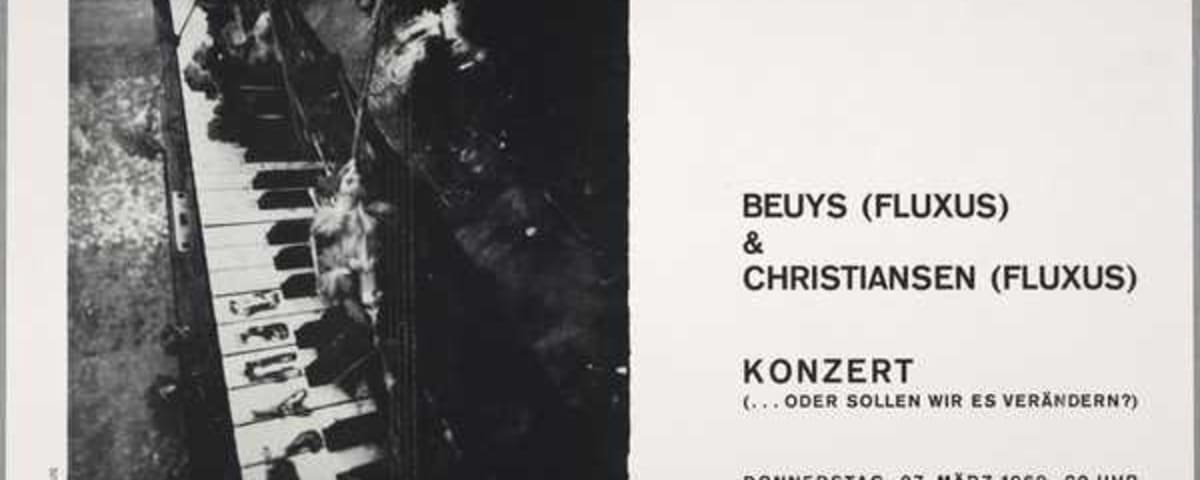
Fluxus was an international avant-garde group and, at the same time, a way of thinking that arose and flourished in the 1960s and in some forms continues today. Its name comes from the Latin word meaning flow, reflecting its members' commitment to constant change, lightness and elusiveness. Fluxus brought together artists, composers, poets and designers from many countries around the idea that art should be simple, everyday, witty and accessible, erasing the boundary between art and life. Its participants created events—short instruction scores for performing ordinary or absurd actions—as well as multiples, mail art, concerts, performances and publications. The movement's organiser and theorist was George Maciunas, and among its well-known members were John Cage as an inspiration, Yoko Ono, Nam June Paik, George Brecht, Dick Higgins and Joseph Beuys. Fluxus inherited the spirit of Dada and Cage's ideas about chance and everyday sound. Although the group was deliberately informal and impermanent, its influence on conceptual art, performance, intermedia and video art proved exceptionally deep and lasting.
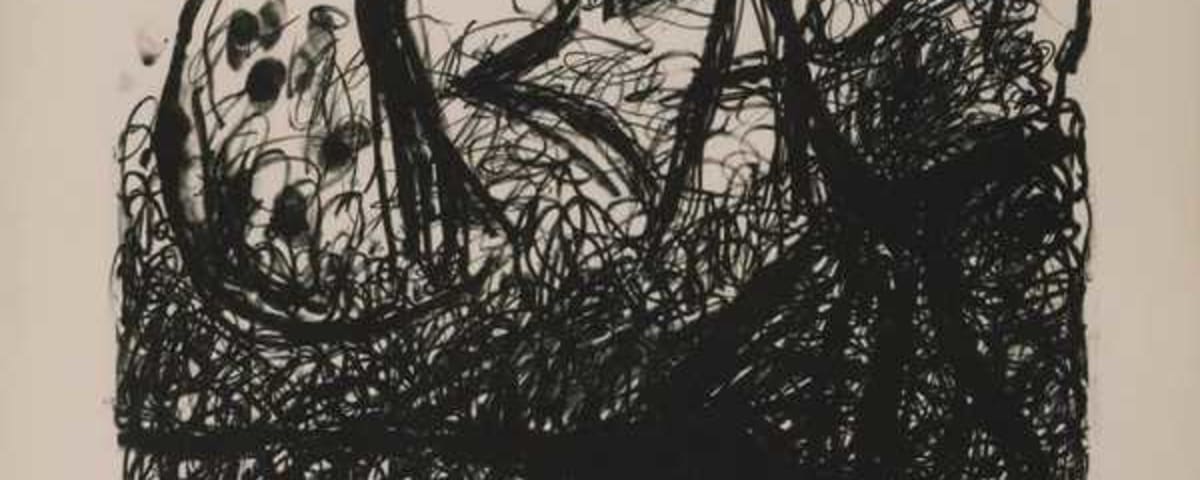
A happening is a theatrical event created by artists, originally in America in the late 1950s and early 1960s, that combined elements of visual art, theatre, music and everyday life in an unplanned or partly improvised action. Unlike a traditional performance, a happening usually had no clear plot, stage or division between actors and audience: participants often became co-creators of the event, drawn into actions, movement and immediate experience. The term was introduced and established by the American artist Allan Kaprow, who in 1959 staged an event in a New York gallery called 18 Happenings in 6 Parts. The origins of the genre lie in Dada, in the composer John Cage's ideas about chance and everyday sound, and in action painting. Happenings emphasised process, the body, immediacy and the unrepeatable nature of experience rather than the creation of a lasting object, which links them to ephemeral art. The genre was closely connected with the Fluxus movement and became an important precursor of performance as an independent art form. The happening radically expanded the boundaries of art, erasing the line between the artwork and life and between the artist and the public.
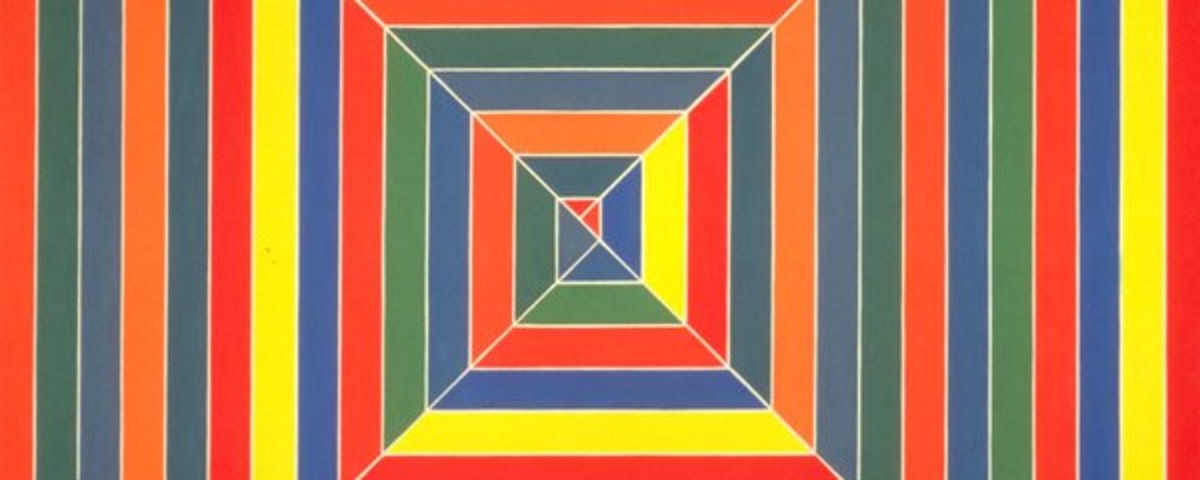
Hard-edge painting is an approach to abstract painting that became widespread in the 1960s and is characterised by areas of flat, even colour with sharp, clear, hard edges between them. The coloured planes meet one another without blurred transitions, visible brushwork or textural effects, so that the surface of the picture appears smooth, impersonal and carefully calculated. The term was proposed by the California critic Jules Langsner in the late 1950s to describe crisp, geometric painting set against the emotional, gestural manner of Abstract Expressionism. Hard-edge painting stresses the integrity of the picture as a flat object rather than a window onto depth, and often reduces the composition to a few large colour forms. Among its leading practitioners were Ellsworth Kelly, Kenneth Noland, the early Frank Stella and Al Held; it is also associated with the tendencies of Colour Field painting and Minimalism. The approach reflected the desire of post-war abstract art for clarity, objectivity and control, freeing colour and form from gesture and personal emotion in favour of a pure optical effect.
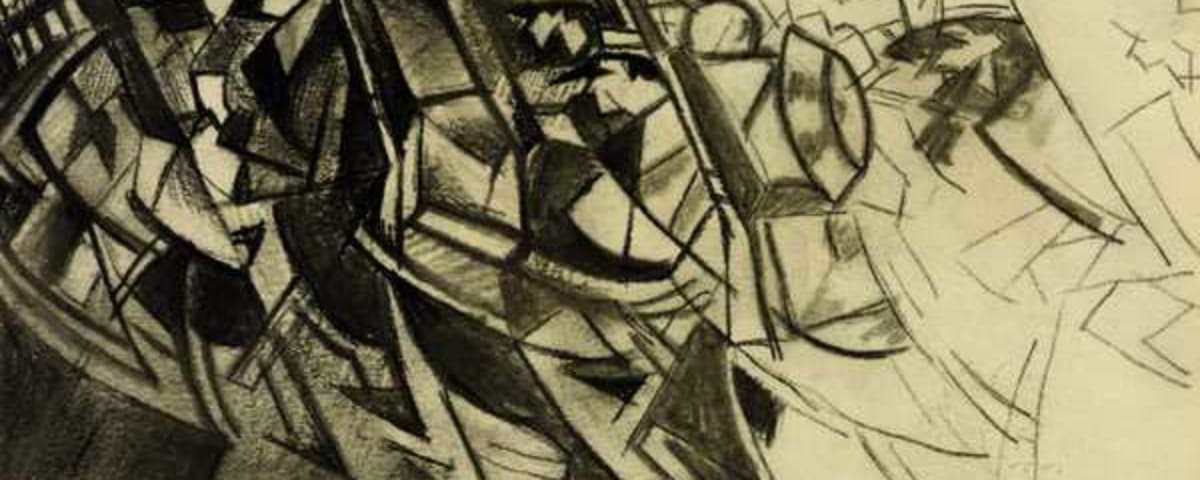
Kinaesthetic art is a tendency that explores the body in motion and the bodily sensation of movement as its central subject and means of expression. Unlike kinetic art, in which the objects themselves move, kinaesthetic art focuses on proprioception — the internal sense of the position and displacement of one's own body, on muscular effort, balance and gesture. The term was first associated with Futurism and later became bound up with performance, dance, the happening and practices that emerged in the second half of the twentieth century, when artists began to treat the movement of viewer or performer as an autonomous material. The kinaesthetic approach intersects with developments in experimental dance, notably postmodern choreography, and with installations that prompt the visitor to move, lean or balance in order to perceive the work. Here emphasis shifts from purely visual contemplation to a bodily, somatic experience of space. Kinaesthetic art widens the definition of an artistic medium by placing the living, moving, sentient human body at its centre.
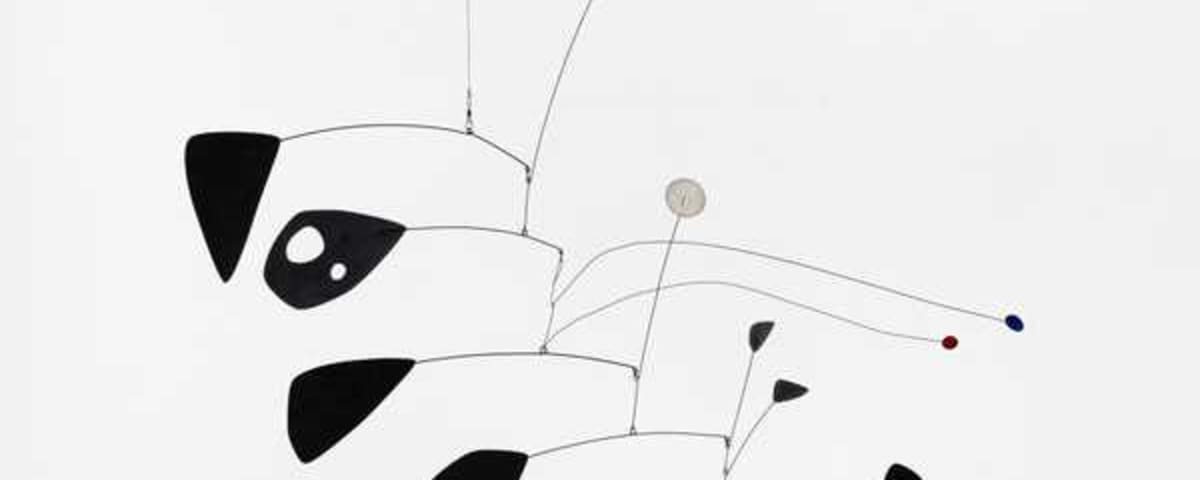
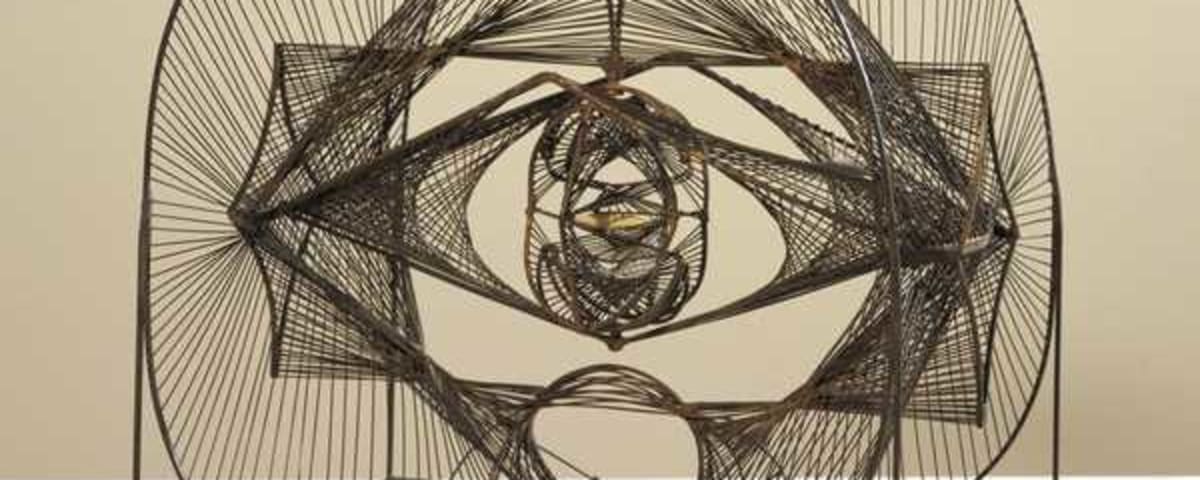
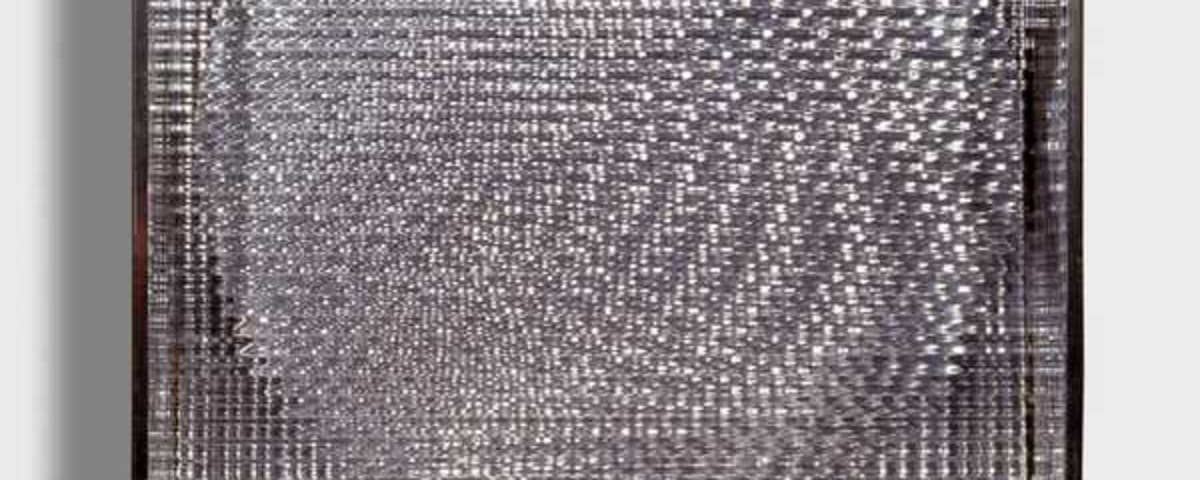
Kinetic art is a movement in which motion is the defining means of artistic effect: works either genuinely move — by means of motors, air currents, magnets or manual intervention — or create the illusion of movement through optical effects. The origins of the tendency reach back to the Constructivist experiments of Naum Gabo and Antoine Pevsner and to Marcel Duchamp's 'Bicycle Wheel' (1913). Kinetic art flourished in the 1950s and 1960s, building on the mobile, which Alexander Calder had been making since around 1930 — a suspended moving sculpture so finely balanced that the slightest breath of air sets it in motion. Other key figures include Jean Tinguely, with his self-destroying machines, Jesús Rafael Soto and Julio Le Parc. Kineticism is closely interwoven with Op art, in which movement is simulated by static geometric patterns. The art of movement reflected a fascination with technology, energy and time as an artistic dimension, dissolving the traditional idea of sculpture as a motionless, eternal object and drawing the viewer into a dynamic, changing spectacle.
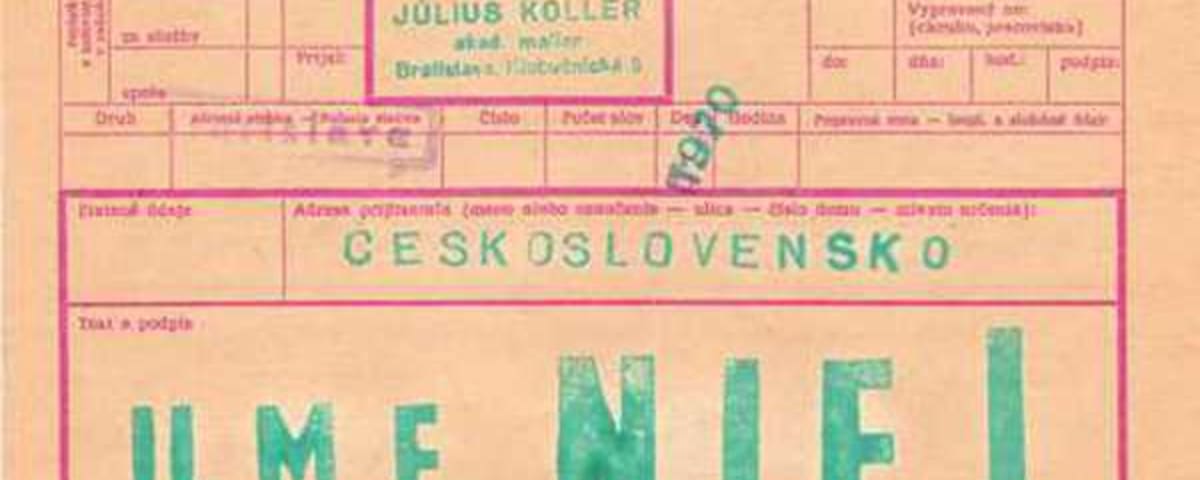
Mail art is an art movement founded on the principle of sending small works through the postal service, so that the post becomes both a means of distribution and a part of the work itself. Participants exchange postcards, collages, stamps, drawings, small objects and conceptual messages, forming a global informal network of collaboration beyond galleries, the market and curatorial control. The origins of the movement are associated with the American artist Ray Johnson, who in the late 1950s began the mail exchanges that later became known as the New York Correspondence School. Mail art flourished in the context of Fluxus and the Conceptualism of the 1960s and 1970s, attracting artists with the idea of democratic, accessible and anti-commercial exchange. It played an important role for artists in countries with limited creative freedom, including behind the Iron Curtain, where the post allowed contact with the international community. Mail art stresses process, communication and network rather than the unique precious object, and is regarded as a forerunner of the networked art of the digital age.

Minimalism is a movement in the visual arts that arose in the United States in the early 1960s as a radical response to the emotionalism of Abstract Expressionism. Its aesthetic is built on the principle of extreme reduction: the removal of everything superfluous — illusion, narrative and the personal gesture — for the sake of the object's pure presence. The work depicts and symbolizes nothing beyond itself; it simply is what it is, speaking the language of elementary form, colour, material and space. Its formal marks are simple geometric forms, seriality and the repetition of modules, industrial materials (steel, fluorescent tubes, plywood, brick), the abandonment of the pedestal, a neutral surface without any trace of the artist's hand, and the importance of the real physical space and the viewer's body. Sculpture displaces painting: Donald Judd creates his "specific objects" — rows of metal boxes; Carl Andre lays bricks and metal plates on the floor; Dan Flavin works with ready-made fluorescent tubes; Sol LeWitt builds modular lattice structures. In painting Frank Stella proclaims that "what you see is what you see," and Agnes Martin rules her canvases with barely perceptible grids. The music of Steve Reich and Philip Glass is kindred to it. Minimalism radically changed the conception of the work, the author and the viewer, bringing art closer to architecture and design and preparing the way for Post-Minimalism and conceptualism. Its legacy is an aesthetic of silence, clarity and concentrated material presence.
Minjung art is a South Korean socio-political art movement that arose in 1980 after the Gwangju uprising, during which government troops killed around two hundred peaceful demonstrators. The word 'minjung' means 'the people' or 'the popular masses', and the movement consciously set itself against the abstract, formalist art oriented toward Western tastes and the international market. Minjung artists turned to realistic, socially charged imagery in order to expose the authoritarian regime, injustice, the consequences of accelerated industrialisation and the division of Korea. They drew on traditional folk art, Buddhist imagery, woodblock printing and mural painting, creating an accessible, engaged and politically pointed language. Minjung painting, prints, banners and posters accompanied the democratic movement that finally brought down the military dictatorship at the end of the 1980s. Minjung art became one of the most influential examples of art directly bound up with the struggle for civil rights and democracy in Asia, and it still inspires generations of activist artists.

Mono-ha (Japanese for 'school of things') is a pioneering art movement that emerged in Tokyo in the mid-1960s and early 1970s. Instead of making traditional representational works, its artists explored materials themselves — stone, steel, glass, wood, water, soil, paper — and their natural properties, interaction and arrangement in space. Mono-ha artists reduced intervention to a minimum, leaving things as close as possible to their natural state and emphasising the relationships between elements rather than the objects themselves. The leading figure of the movement was Lee Ufan, a theorist and artist of Korean origin who in his writings drew on phenomenology and Eastern philosophy. Other participants include Nobuo Sekine, whose work 'Phase — Mother Earth' (1968), a huge cylinder of compacted earth beside a pit of the same shape, is regarded as emblematic of the movement, as well as Kishio Suga and Susumu Koshimizu. Mono-ha echoes Minimalism and Land art but is distinguished by a particular attention to emptiness, transience and contemplation rooted in the Asian aesthetic tradition.
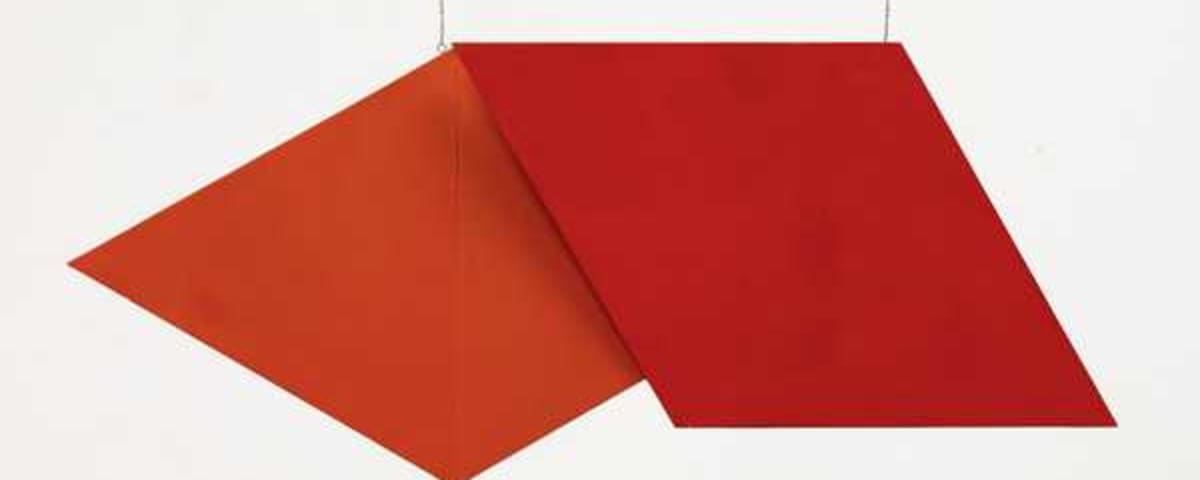
Neo-concrete art is an offshoot of the Brazilian concrete art movement that arose in the late 1950s in Rio de Janeiro as a call to restore to strictly geometric abstraction more sensuousness, colour, poetry and a human dimension. In 1959 a group of artists issued the 'Neo-Concrete Manifesto', written chiefly by the critic and poet Ferreira Gullar, in which they rejected the mechanistic, rationalist dogmatism of concrete art and stressed the living, bodily perception of the work. The leading figures of the movement were Lygia Clark and Hélio Oiticica. Clark created the 'Bichos' — hinged metal 'creatures' that the viewer could manipulate — while Oiticica developed coloured spatial constructions and later the 'Parangolés', cape-like garments to be worn and danced in. Neo-concrete art broke down the boundary between work and viewer, turning art into an interactive, sensory and even performative experience. The movement was short-lived, lasting into the early 1960s, but it exerted an enormous influence on later Latin American and world art, anticipating the participatory and corporeal practices of subsequent Conceptualism.
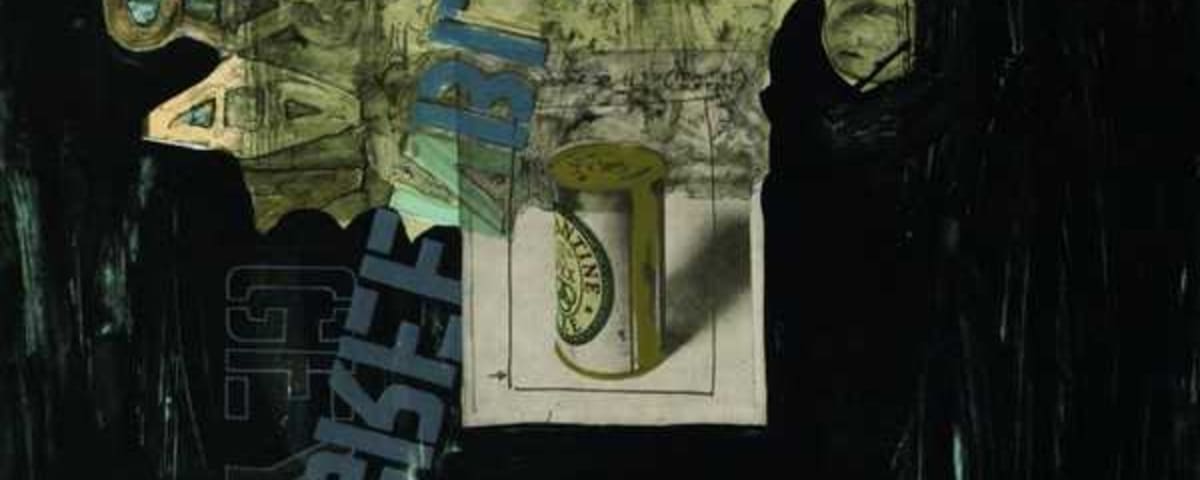
Neo-Dada is a term applied to the work of artists active in the United States in the 1950s and early 1960s whose art recalled the Dada movement of the early twentieth century in its irony, its use of everyday objects and its unsettling of the boundaries between art and life. Neo-Dada arose as a reaction against the then-dominant Abstract Expressionism with its pathos of inner experience; instead, younger artists turned to found objects, collage, readymades, popular-culture imagery and a detached, sometimes cool presentation. The most distinctive figures of the movement were Robert Rauschenberg, with his 'Combines' — hybrids of painting and assemblage incorporating real objects — and Jasper Johns, with his series of flags, targets and numbers that questioned the nature of image and sign. The composer John Cage played a significant role, his ideas of chance and everyday sound nourishing this circle. Neo-Dada became a direct bridge to Pop art, Fluxus and Conceptual art, reintroducing the Dada spirit of play, provocation and critique of artistic convention into postwar culture.
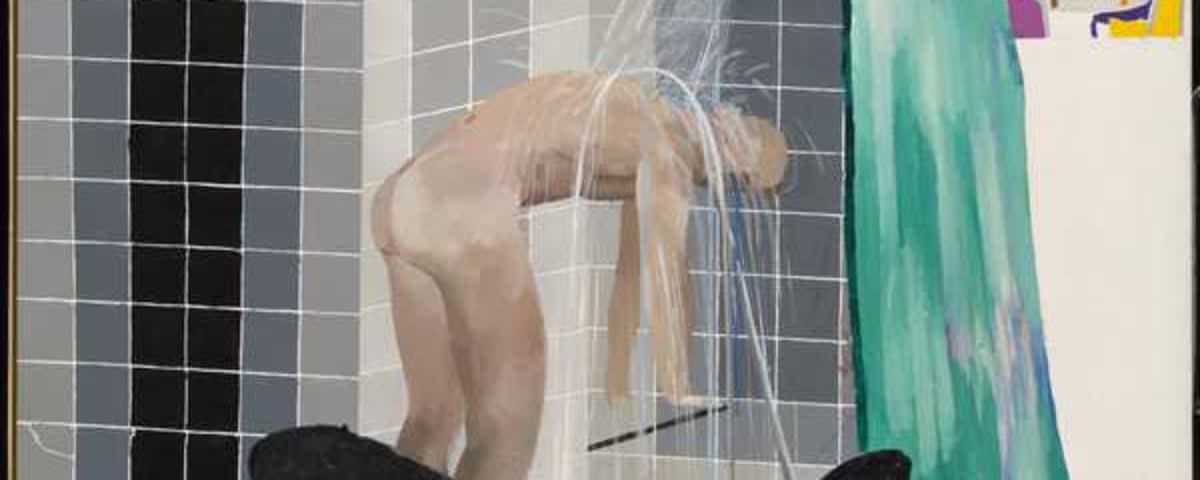
New Figuration is a general term for the revival of figurative art in Europe and America in the 1960s, following a period dominated by Abstract Expressionism and geometric abstraction. Artists of this tendency reintroduced the human figure and the recognizable object world into the language of modern painting — not as a mere continuation of tradition, but in a new, often sharp, critical, and expressive key. New Figuration absorbed the lessons of abstraction — free brushwork, distortion, color expression — and combined them with social, psychological, and political content. In France and Spain the tendency took the form of Nouvelle Figuration and "narrative figuration" with artists such as Erró and Jacques Monory; in Britain it is associated with Francis Bacon and Lucian Freud. The movement paralleled the emergence of Pop art but retained greater drama and existential tension. New Figuration became an important link in the reassessment of the role of the human image in the art of the second half of the twentieth century.
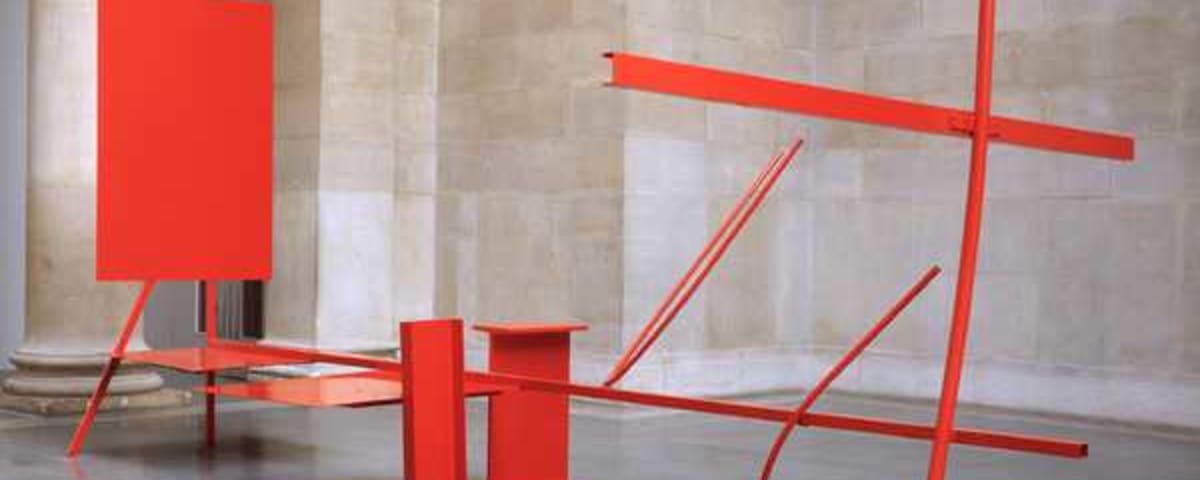
New Generation Sculpture is the name given to the work of a group of young British sculptors active in the 1960s who experimented with new materials, forms, and bright color. The term derives from the "New Generation" exhibition series held at London's Whitechapel Gallery, notably the influential 1965 show that presented a generation of Anthony Caro's students at St Martin's School of Art. These sculptors abandoned traditional materials such as bronze and stone in favor of industrial steel, fiberglass, and painted metal. Their works were abstract, colorful, and often placed directly on the floor without a pedestal, changing the viewer's relationship with the object. Key figures include Phillip King, William Tucker, Tim Scott, and David Annesley. Vivid color played an independent role, bringing sculpture closer to the experience of painting. New Generation Sculpture became the British counterpart to international tendencies toward lightness, color, and abstraction in the three-dimensional art of the 1960s.
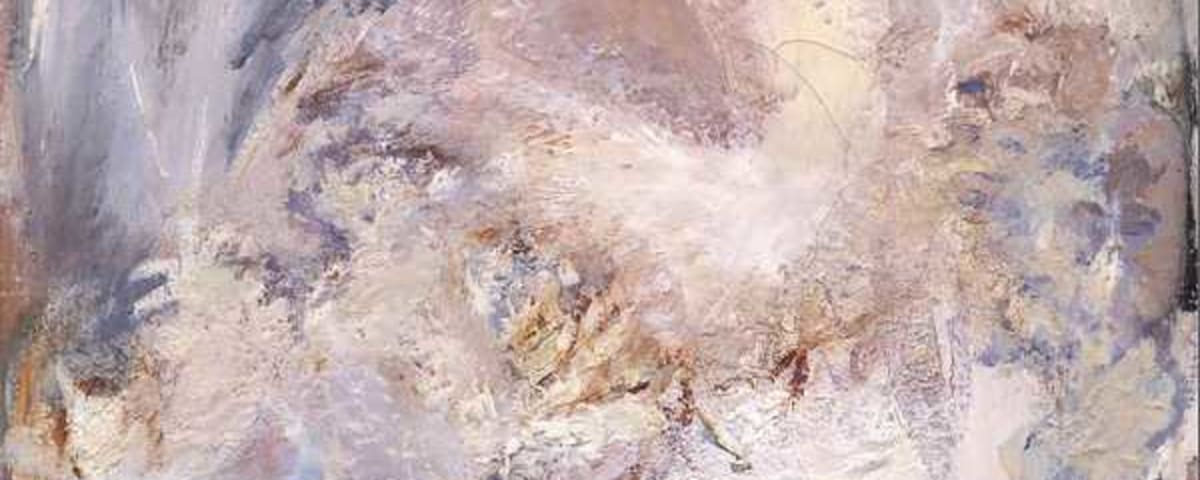
Objective Abstraction was a non-geometric, free style of abstract art developed by a group of British artists in the early 1930s. The tendency took definitive shape during the eponymous exhibition "Objective Abstractions," held in 1934 at London's Zwemmer Gallery. Unlike the strict geometric Constructivism widespread in Europe at the time, these artists worked in a manner of spontaneous, sensuous, almost improvisational brushwork, in which abstract form grew directly from the very process of painting rather than from a preconceived scheme. Painting appeared as a self-sufficient reality of color and texture, "objective" precisely because it did not depict the external world but existed as an independent material fact. Members of the group included Rodrigo Moynihan, Geoffrey Tibble, and Graham Bell. Objective Abstraction to some extent anticipated later Tachisme and Abstract Expressionism with their emphasis on gesture and the autonomy of the painted surface. Although the movement was short-lived, it became an important episode of early British abstract art.
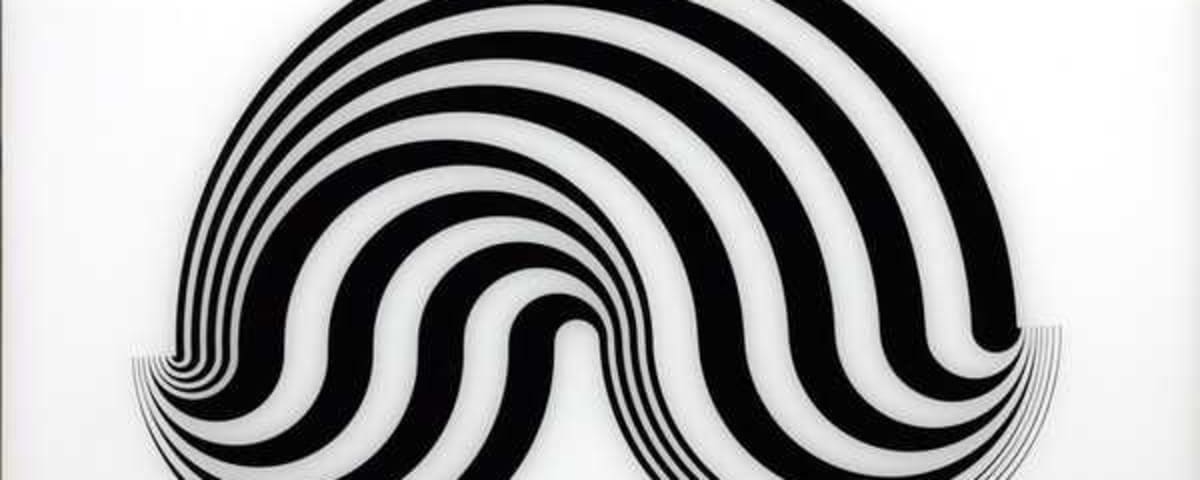
Op art (optical art) is an abstract visual language that investigates the mechanisms of visual perception and provokes illusions of movement on a static surface. Its central idea is to make the eye "see" what is physically absent: vibration, flicker, pulsation and the deformation of space. Formally, op art employs strict geometry — grids, concentric circles, waves, chequerboard and moiré structures. The palette may be starkly black-and-white, where the play is built on the edges of forms, or intensely spectral, where the illusion arises from the interaction of complementary colours. Composition is exactingly calibrated, almost mathematical, stripped of personal brushwork and emotional expression. The technique favours an impeccably smooth, impersonal surface that heightens the optical effect. Such works activate the physiology of sight: after prolonged looking, afterimages and a sensation of swaying appear. The movement took shape in the 1960s, and its manifesto was the exhibition "The Responsive Eye" in New York in 1965. Its leading masters are the Hungarian-French artist Victor Vasarely, called the father of op art, and the Briton Bridget Riley, with her hypnotic black-and-white waves. Op art is related to kinetic art and constructivism, with roots reaching back to the ideas of the Bauhaus. It quickly penetrated design, fashion and advertising. Today the movement is valued for its intellectual rigour, precision and capacity to turn the viewer into a participant in an optical experiment.
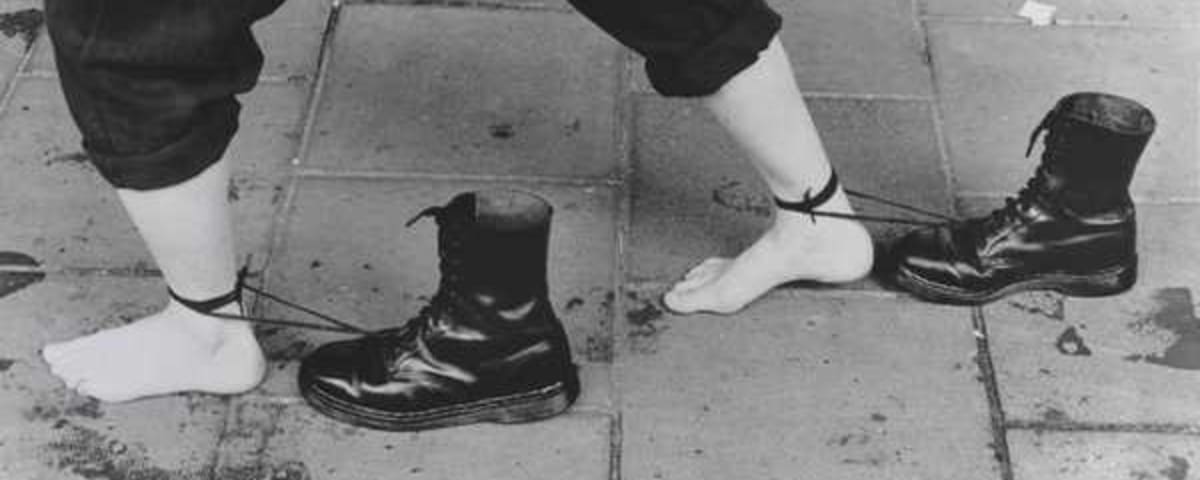
Performance art is an art form in which the artist uses their own body as the primary medium and carries out a particular action or series of actions that themselves become the artwork. Unlike painting or sculpture, performance exists in time and space, is ephemeral and often unrepeatable, and its main components are the artist's presence, duration, interaction with the viewer, and the live experience itself. The origins of the genre reach back to the avant-garde evenings of the Dadaists at the Cabaret Voltaire, Futurist demonstrations, and early twentieth-century experiments, but as an independent form performance took shape in the 1960s and 1970s within the context of Conceptual art, body art, and feminism. Classic examples are the works of Marina Abramović, who tested the limits of the body and endurance, the actions of Joseph Beuys with his idea of "social sculpture," and the performances of Vito Acconci and Chris Burden. Performance is often recorded in photographs, video, or documents, which later become museum objects themselves. The genre radically changed ideas about the materiality and permanence of the artwork.
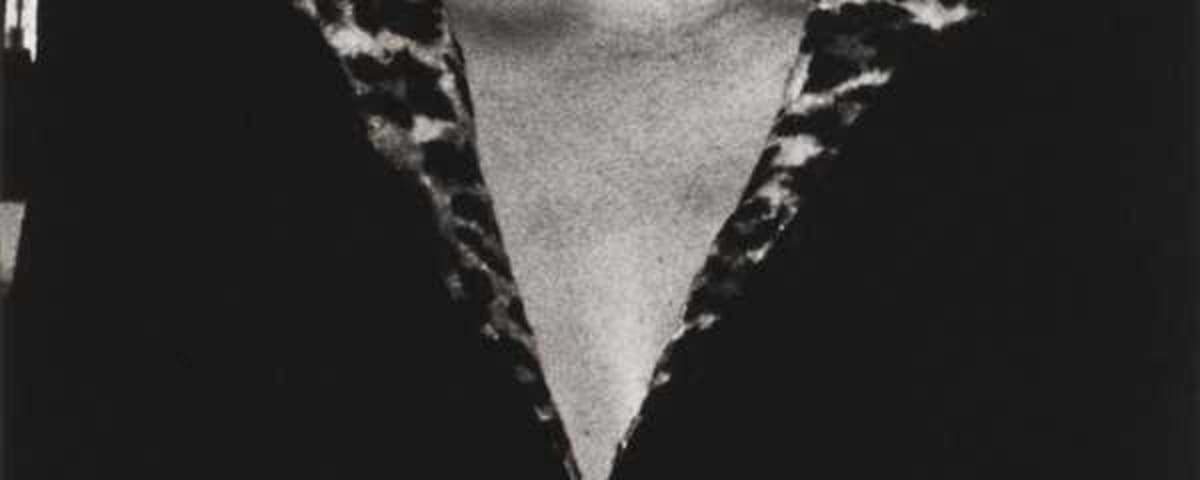
The Pictures Generation is the name given to a group of American artists who reached creative maturity in the late 1970s and early 1980s and were known for their critical analysis of media culture, advertising, film, and photography. The term derives from the influential exhibition "Pictures," organized in 1977 by critic Douglas Crimp at the New York venue Artists Space. These artists worked in an age of visual saturation with mass images and explored how photography, television, and advertising shape identity, desire, and perceptions of reality. Relying on strategies of appropriation, they borrowed, copied, and reworked already existing images, questioning the notions of originality and authorship. Key figures include Cindy Sherman with her "Untitled Film Stills," Richard Prince, Sherrie Levine, Barbara Kruger, and Louise Lawler. The theoretical basis of the movement was the ideas of postmodernism and semiotics. The Pictures Generation significantly influenced the subsequent development of conceptual photography and critical art about the media.

Pop art is a visual language that made mass culture, advertising, the comic strip and the consumer product the very subject of art. Its core idea is to erase the boundary between "high" and "low" and to raise the everyday, ironically, to the rank of an aesthetic object. Formally, pop art employs bright local colours, crisp contours, flat planes and the devices of reproduction printmaking. Characteristic motifs are tin cans, cola bottles, film stars, road signs, and comic-book covers and frames. Technically, its artists readily turned to silkscreen, photomechanical printing and the halftone dot, emphasising the serial and impersonal nature of the image. Composition is often built on repetition, the enlargement of a detail, or the collage-like juxtaposition of recognisable signs. Emotional distance and cool irony distinguish pop art from the expressive abstraction against which it arose. The movement flourished in late-1950s Britain and reached its peak in the United States of the 1960s. Its icon was Andy Warhol, with his reproduced portraits of Marilyn Monroe and his Campbell's soup cans. Roy Lichtenstein carried the language of the comic, with its Ben-Day dots, into high art, while Claes Oldenburg made giant soft replicas of ordinary objects. The British line is represented by Richard Hamilton and Eduardo Paolozzi. Pop art critically reflects on consumer society while relishing its glitter. Today it is prized for its visual punch, conceptual edge and lasting influence on design and advertising.
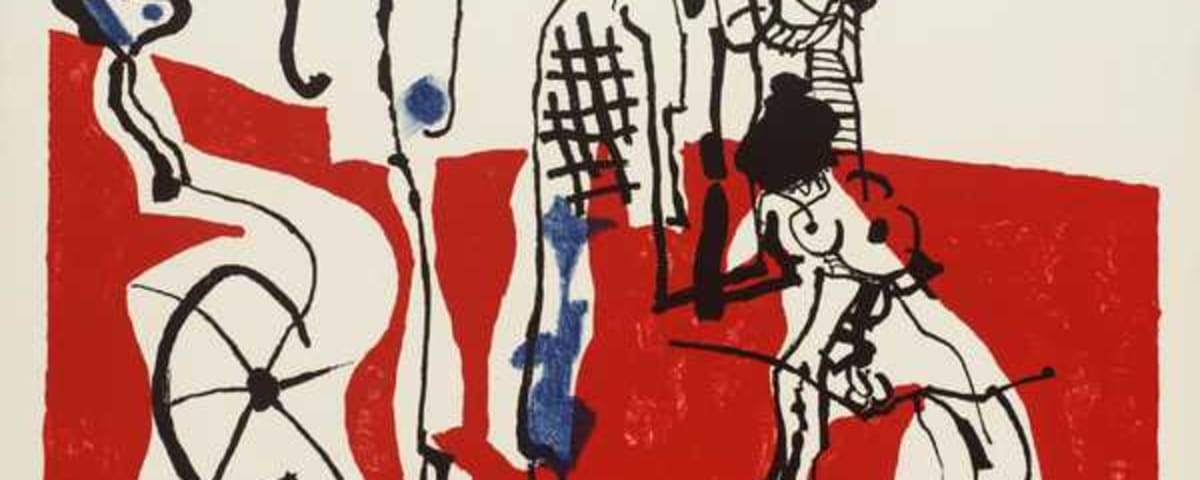
The Situationist International (Internationale Situationniste, IS) was a revolutionary alliance of European avant-garde artists, writers and theorists formed in 1957 at a conference in Italy. Uniting former members of Lettrism, the COBRA group and other formations, it sought to dissolve the boundary between art and everyday life while attacking the capitalist "society of the spectacle." Its central figure was Guy Debord, author of The Society of the Spectacle (1967); the circle also included Asger Jorn and Raoul Vaneigem. The Situationists developed concepts such as the dérive (drift), psychogeography and détournement, the hijacking and subversion of existing images. Their ideas strongly shaped the May 1968 student uprising in Paris. The movement's legacy echoes in Ukrainian critical art and activist practices that rethink urban space, media and power structures, challenging the passive consumption of culture and everyday life.
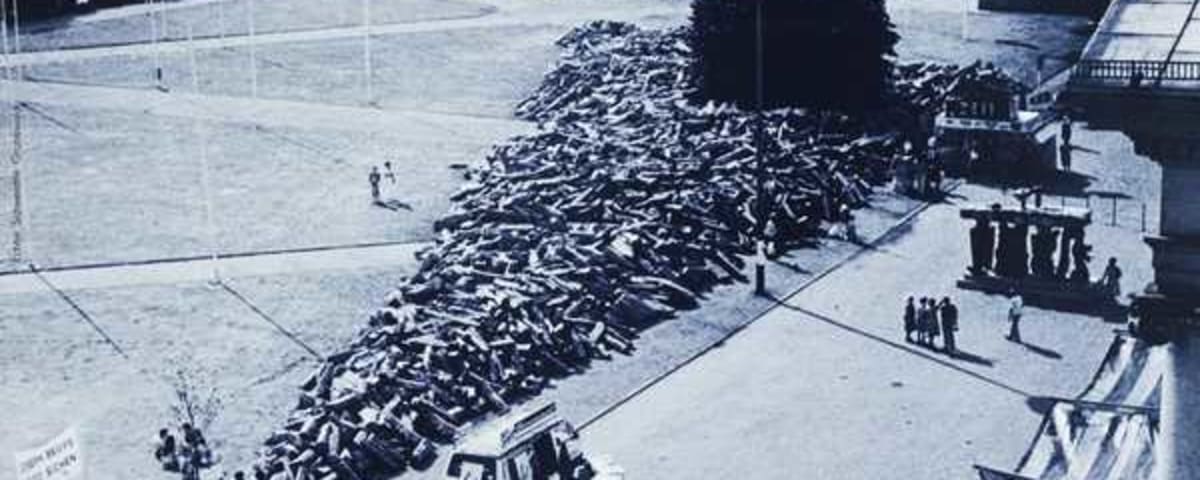
Social sculpture is a theory developed by the artist Joseph Beuys in the 1970s, grounded in the belief that everything is art and therefore every person is potentially an artist capable of shaping society creatively. Beuys expanded the very notion of sculpture: instead of stone or bronze, the "material" becomes thought, language, discussion, and social and political relationships. The idea is closely tied to his slogan "everyone is an artist" and to practical initiatives such as founding the Free International University and the vast ecological action 7000 Oaks at Documenta in 1982. Social sculpture stresses the creative responsibility of each citizen for a shared future. These views resonate with the Ukrainian experience of grassroots initiatives and volunteering, where collective creative action, from reconstruction to community self-organisation, is understood as a way of literally shaping society with one's own hands.
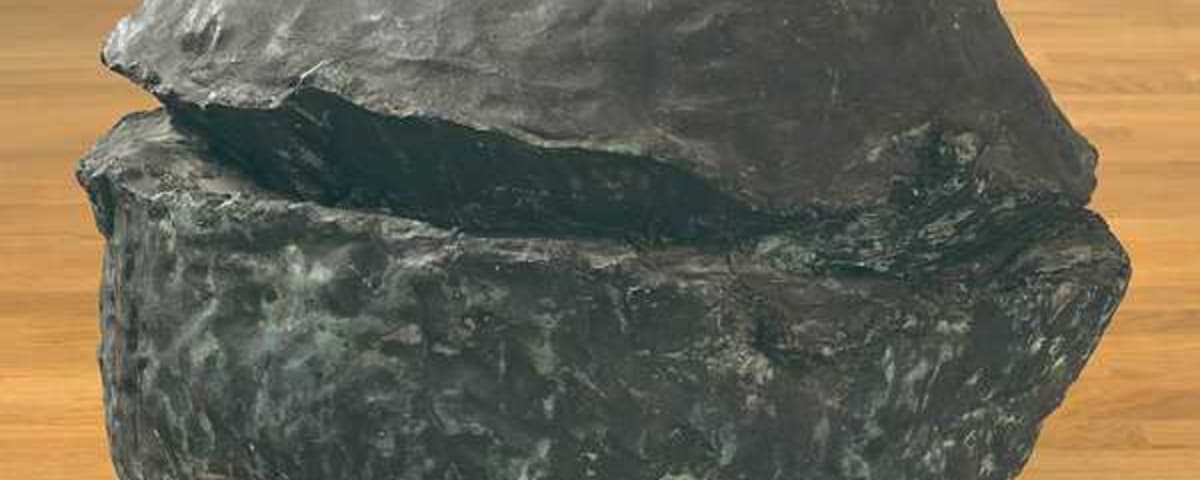
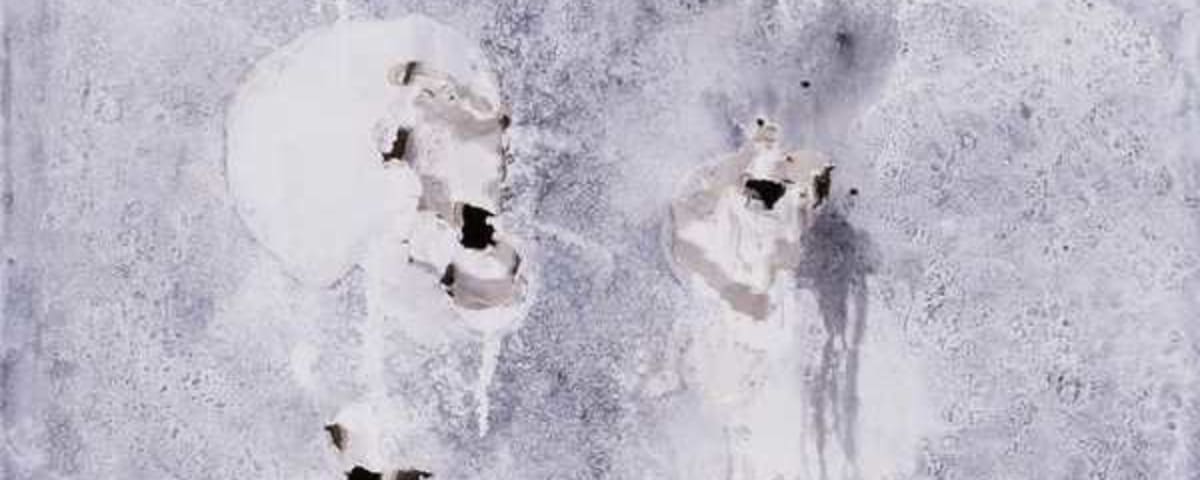
Spazialismo (Spatialism) was an Italian movement founded by the artist Lucio Fontana in 1947, whose manifesto proclaimed the need to unite art with the science and technology of a new era. Fontana, born in Argentina and working in Italy, sought to push painting beyond the flat plane of the canvas into real space and time. The most famous embodiment of these ideas is his series Concetti spaziali (Spatial Concepts), in which he punctured and slashed the surface of the canvas, transforming the two-dimensional picture into an object that admits real space and the darkness behind it. Spatialism anticipated environmental art, installation and light-based work, and influenced postwar experiments in kinetic and neon art. The radical gesture of breaking the surface became a universal symbol of the shift from the traditional easel picture to spatial thinking, a concern shared by contemporary artists, including in Ukraine.

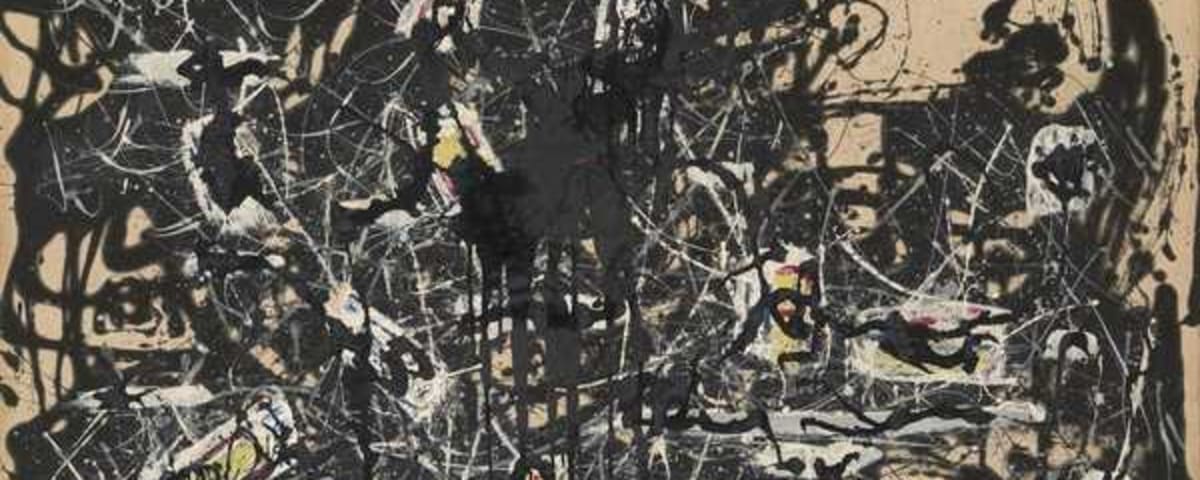
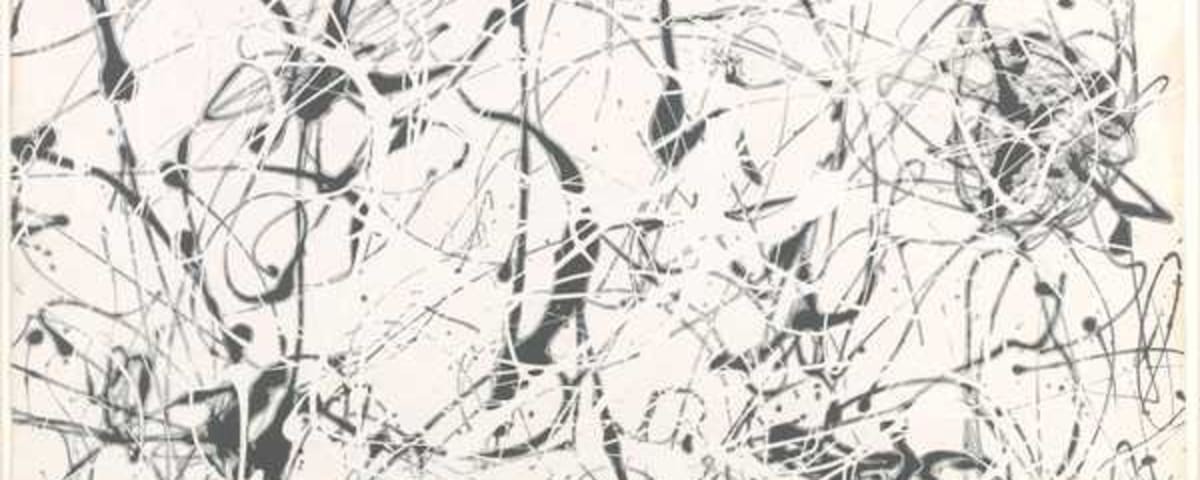
Tachisme (from the French tache, meaning stain or blot) is a term for the non-geometric abstract art that developed in Europe during the 1940s and 1950s, characterised by spontaneous brushwork, dribbles and blots of paint, and calligraphic, writing-like marks. Tachisme is regarded as the European counterpart of American Abstract Expressionism and as part of the broader phenomena of lyrical abstraction and art informel. The tendency rejected earlier rational, geometric art such as Cubism and Constructivism in favour of intuitive, gestural expression. Its leading figures include Hans Hartung, Georges Mathieu, Wols and Pierre Soulages. The Tachistes wanted the very texture of the paint and the trace of the artist's moving hand to become a direct carrier of emotion and the unconscious. This emphasis on spontaneity and the materiality of the surface later resonated with postwar European abstraction, joined by artists of Ukrainian origin in the diaspora.
Tropicália was the name given to an explosion of cultural creativity in Rio de Janeiro and São Paulo in 1968, as Brazil's military regime tightened its grip on power. The movement spanned music, visual art, theatre, cinema and poetry, blending local Brazilian culture with international avant-garde and pop influences in a spirit of radical "cultural cannibalism." In music it was embodied by Caetano Veloso, Gilberto Gil and the band Os Mutantes; the name itself came from the artist Hélio Oiticica's installation Tropicália (1967), a labyrinth of sand, plants and a television that ironically played on the stereotyped image of a tropical paradise. Tropicália art was at once festive and critical, mocking both provincialism and the blind imitation of foreign models, and its oppositional stance led to the persecution and exile of its leaders. For Ukrainian audiences the experience is valuable as an example of how art under authoritarian pressure finds a language of resistance through irony, hybridity and celebratory energy.