Ukrainian art & cultureOnline


Other dimensions of culture
Other dimensions of culture





Test mode: all content on this site is for testing and will be removed at launch.
Art Glossary
Ukrainian Art&Culture online glossary of art terms covers movements, styles and techniques such as Impressionism, Printmaking, Video art and more.
from Realismto Cyberpunk
34from Oilto 3D Modeling
8from Paintingto Design
7from Trypilliato Contemporary
2352 terms
The Aesthetic Movement advocated pure beauty and the principle of art for art's sake (l'art pour l'art), emphasising the visual and sensual qualities of art and design over practical, moral or narrative aspects. Its adherents rejected the Victorian demand that art should instruct or serve a social purpose, arguing instead that a work justified itself through its existence and beauty alone. The movement flourished in Britain in the 1860s to 1880s and embraced not only painting but also the decorative arts, literature and interior design. Among its leading figures was the painter James Abbott McNeill Whistler, whose nocturnes and symphonies likened painting to music, and the writer Oscar Wilde, who became an eloquent spokesman for aestheticism. Important contributions came from Dante Gabriel Rossetti and Edward Burne-Jones. In the decorative sphere the movement expressed itself through motifs of the sunflower, the peacock feather and Japanese art. The Aesthetic Movement prepared the ground for Symbolism, Art Nouveau and the modernist idea of the autonomy of art.
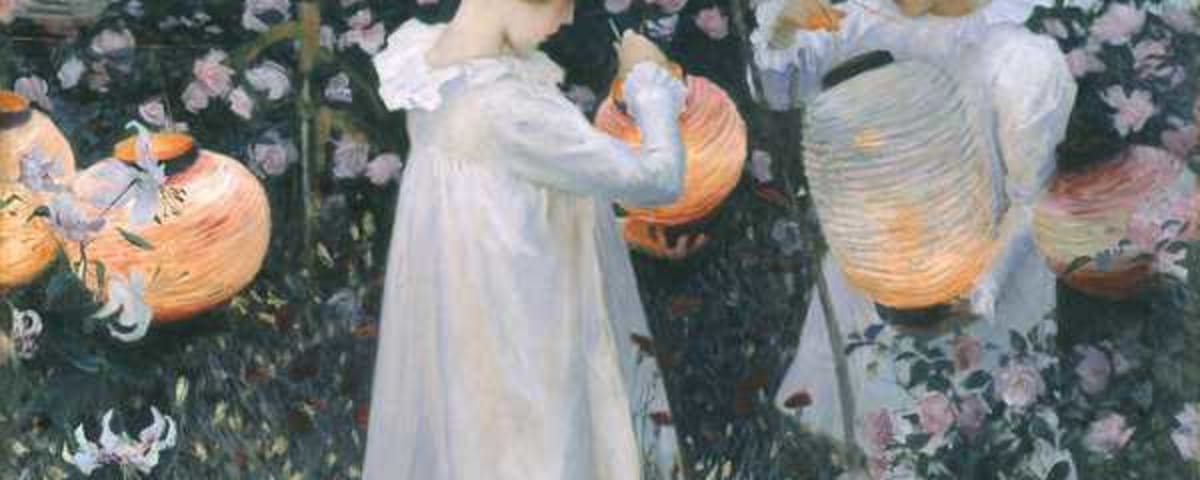
British Impressionism refers to artists who worked in Britain in the late nineteenth century under the influence of the ideas of the French Impressionists. They adopted a light palette, a free brushstroke, the depiction of modern everyday life and the desire to capture fleeting effects of light and atmosphere, while often retaining a greater attention to tonal modelling and structure than their French predecessors. An important role in spreading these ideas was played by the New English Art Club, founded in 1886 as an alternative to the conservative Royal Academy. Among its leading figures were Walter Sickert, who linked the British scene to Edgar Degas and conveyed the sombre poetry of urban interiors and music halls; Philip Wilson Steer with his luminous coastal landscapes; and the American James Abbott McNeill Whistler, who worked in London. The presence of Claude Monet, whose London series inspired local artists, was also significant. British Impressionism adapted French innovations to national taste and landscape, becoming a bridge to twentieth-century modernist art in Britain.
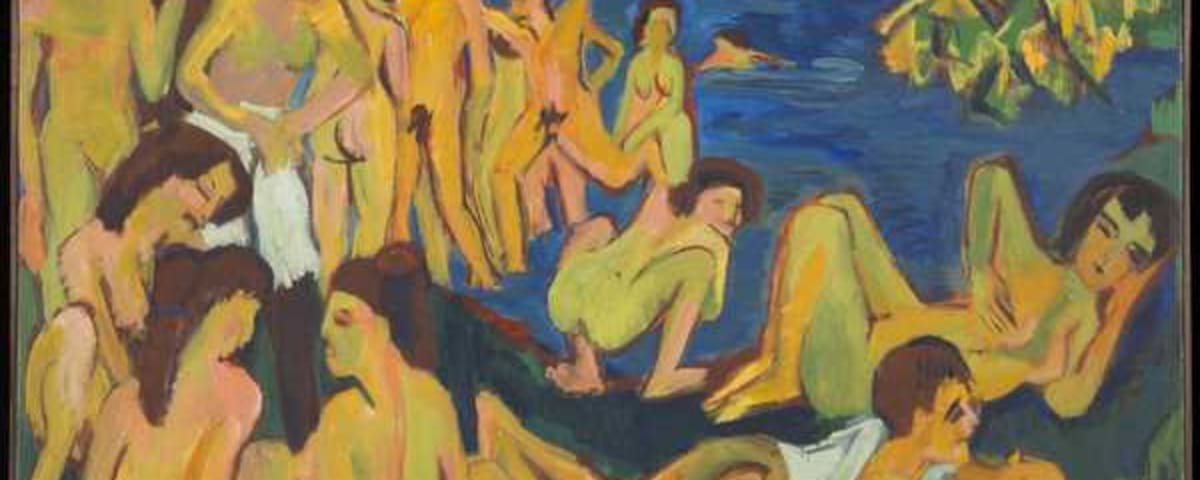
Die Brücke (The Bridge) was a German Expressionist group founded in Dresden in 1905 that developed a radical, anti-traditional style. The name The Bridge symbolised the wish to build a bridge to the art of the future and to unite all revolutionary-minded young artists. The group became one of the two key currents of German Expressionism alongside the Munich association The Blue Rider. Its founders were Ernst Ludwig Kirchner, Erich Heckel, Karl Schmidt-Rottluff and Fritz Bleyl, architecture students who turned to painting and graphic art. Max Pechstein and Emil Nolde later joined the group. Their style is marked by harsh, simplified forms, sharp angles, saturated unnatural colours and strong emotional tension. The artists drew inspiration from medieval German woodcuts, the work of Edvard Munch and Vincent van Gogh, and the art of non-European cultures. Their contribution to the revival of the woodcut was especially significant. Die Brücke lasted until 1913, when it broke up over internal disputes, but it had a profound influence on the development of twentieth-century modernist art.
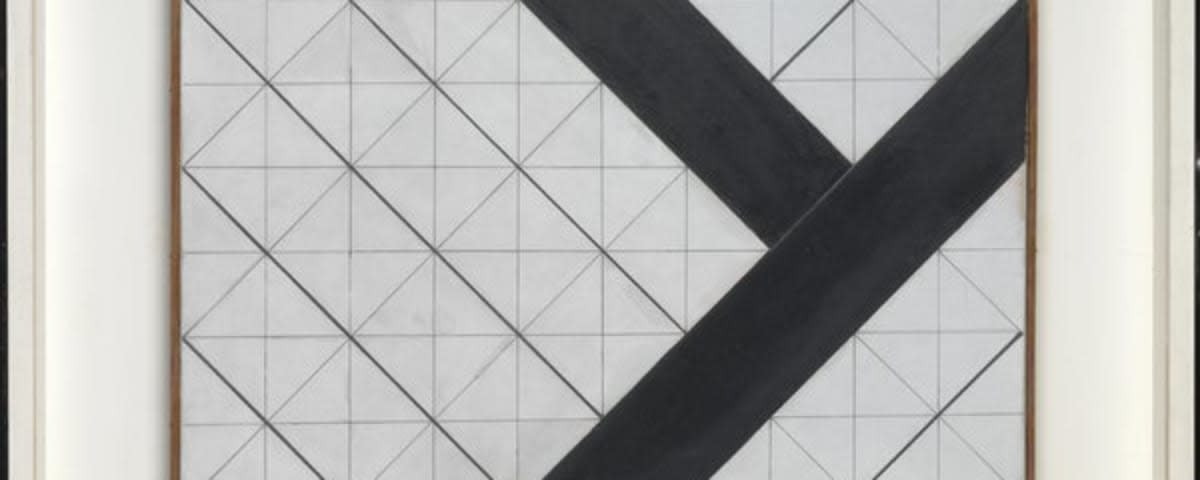
Concrete art is a current of abstract art that is entirely without any basis in observable reality and carries no symbolic or naturalistic implications. Its adherents insisted that line, plane and colour are concrete in themselves and should not depict or symbolise anything; a painting is as real an object as a chair or a tree. Works are constructed according to clear mathematical or geometric principles, methodically, without reliance on spontaneity or emotion. The term was proposed by the Dutch artist Theo van Doesburg in his 1930 manifesto Art Concret, contrasting concrete art with abstract art, which in his view still departed from reality through abstraction. After van Doesburg's death a leading role in the development of the current was played by the Swiss artist, designer and theorist Max Bill, who spread these ideas in the postwar decades. Concrete art developed significantly in Latin America, notably in Brazil and Argentina, where it influenced Neo-Concretism. The current is closely linked with Constructivism and geometric abstraction and emphasises clarity, order and rational structure.
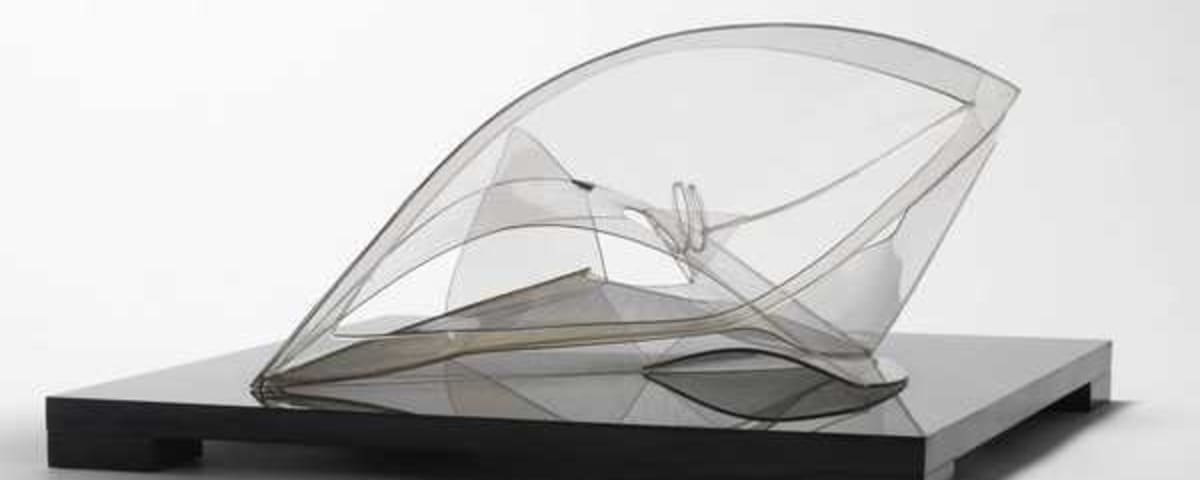
Constructivism is an avant-garde movement of the 1910s to 1930s that proclaimed art to be not contemplation but the construction of a purposeful material environment for a new society. Instead of depiction, the Constructivist artist thinks like an engineer who builds the work from real materials according to the laws of expediency, technology and economy of means. Its key concepts were "construction," "faktura" (texture) and "tectonics": what matters is not the subject but the logic of joining elements, the bared structure and the properties of the material itself — metal, glass, wood, cardboard. The formal language of Constructivism consists of clear geometric forms, straight and diagonal lines, a dynamic asymmetrical composition, a limited palette of red, black, white and gray, and the active introduction of type and photomontage. The style was realized above all in design, printing, the poster, stage design, architecture and production art, striving to erase the boundary between artist and manufacturer. Its leading masters were Vladimir Tatlin with his "Monument to the Third International," Alexander Rodchenko, El Lissitzky and Varvara Stepanova. In Ukraine a distinguished role was played by the Kharkiv artist Vasyl Yermilov, who created reliefs, journal designs and spatial constructions, and by Vadym Meller in theatrical stage design. Constructivism laid the foundations of modern graphic design, typography and functional architecture, and its visual language remains to this day a model of clarity and engineering beauty.

Cubism is a revolutionary avant-garde movement that emerged around 1907–1908 and radically changed ideas about the depiction of space and form. Its founding idea is that an object appears not from a single fixed viewpoint but is broken down into geometric planes and shown simultaneously from several angles, reduced to basic volumes — the cube, the cylinder, the cone. In this way the artist abandons classical linear perspective and the illusion of depth in favor of an analysis of the very structure of things on the flat surface of the canvas. Two phases are distinguished: Analytic Cubism, with the fragmentation of form into small facets and a muted ochre-gray range, and Synthetic Cubism, which restored brighter color and introduced collage, pasted papers and fragments of real materials. The style's founders were Pablo Picasso, whose "Les Demoiselles d'Avignon" became its manifesto, and Georges Braque, with Juan Gris and Fernand Léger among its leading masters; its first theoretical treatise, Du "Cubisme" (1912), was written by Albert Gleizes and Jean Metzinger. In Ukrainian art cubist inquiry was vividly developed by Oleksandr Bohomazov, who fused Cubism with dynamism in his Kyiv compositions (such as 'Lvivska Street in Kyiv', 1914), and by Alexandra Exter, whose Cubo-Futurist works merged the analysis of form with saturated color. Cubism opened the way to non-objective art, influenced Futurism, Constructivism and Suprematism, and the introduction of collage permanently expanded the technical arsenal of twentieth-century painting.

Dada was a radical anti-art movement born in 1916 in Zurich, at the Cabaret Voltaire, as an outraged response to the carnage of the First World War and to the bourgeois rationalism that had produced it. At the core of the Dada aesthetic lay deliberate provocation: the rejection of logic, taste and the very notion of the masterpiece, and a cult of chance, absurdity and irony. The movement's formal arsenal was exceptionally heterogeneous — photomontage, collage, assemblage, the readymade (a ready-made industrial object elevated to the status of an artwork), and sound or phonetic poetry. Composition was governed by rupture, by the collision of irreconcilable fragments and the montage of clippings from newspapers and advertising. Marcel Duchamp, with his urinal "Fountain" (1917) and his defaced "Mona Lisa," undermined the institution of the museum itself; Kurt Schwitters devised his own "Merz" system out of rubbish and tram tickets; Hannah Höch and Raoul Hausmann in Berlin turned photomontage into a political weapon; Man Ray and Francis Picabia extended the field toward machine-like imagery. Tristan Tzara formulated the movement's manifestos and its technique of poems assembled from cut-up words. Dada was fundamentally international and short-lived, yet it opened the road to Surrealism, conceptualism and all later art of the object and the action. Its legacy is not a style in the narrow sense but a new strategy: art as a critical gesture that questions its own limits.
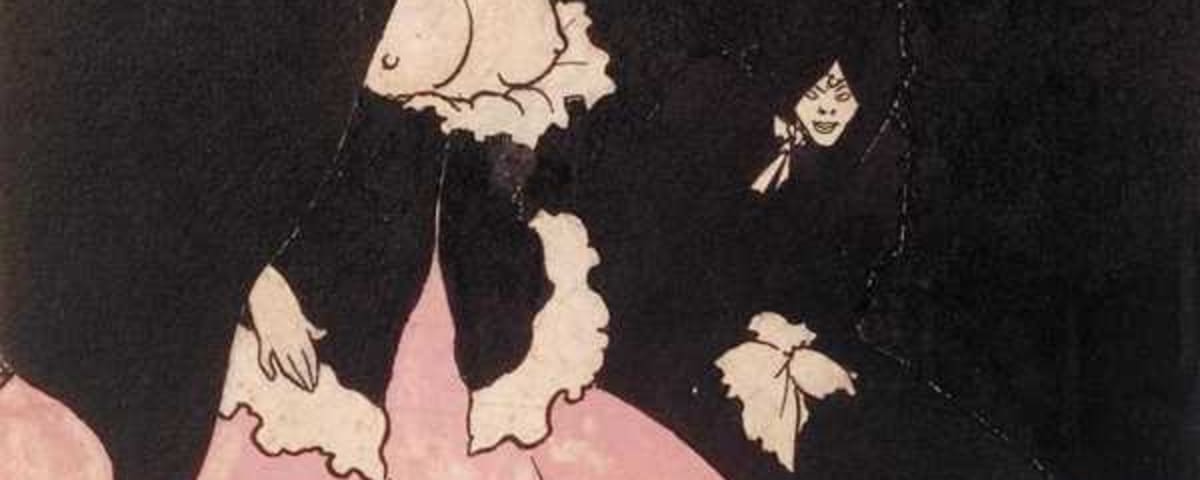
Decadence is a late nineteenth-century literary and artistic tendency that represents an extreme, intensified manifestation of Symbolism and is closely bound to the idea of the fin de siècle. The term emphasises the spiritual, the morbid and the erotic, together with a cult of refinement, artifice and decline. Decadents set themselves against bourgeois morality and faith in progress, celebrating the beauty of decay, dissolution, sin and exquisite despair. In the visual arts these moods were expressed by Gustave Moreau, Odilon Redon and Aubrey Beardsley, whose sinuous erotic illustrations became emblematic, while in literature they appear in Charles Baudelaire, Paul Verlaine and Joris-Karl Huysmans, whose novel Against Nature served as a kind of manifesto. Decadent aesthetics prized art for art's sake and preferred the artificial to the natural. More broadly, the word describes any culture believed to be undergoing moral or creative decline. Its sensibility resonated across European modernism, feeding the taste for stylisation, ambiguity and heightened subjective feeling that shaped the turn of the century.
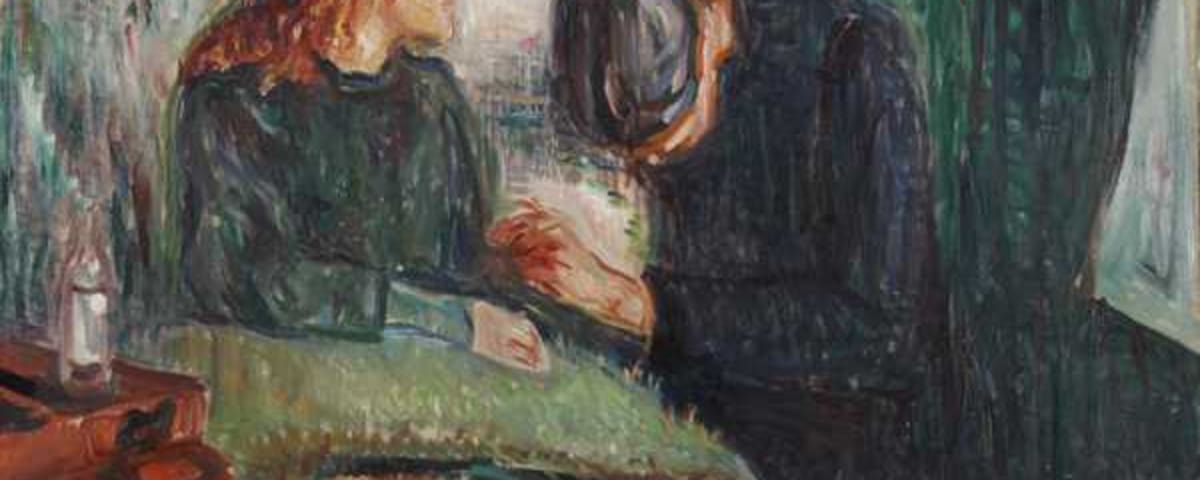
Degenerate art (German Entartete Kunst) was a derogatory label used by the National Socialist regime in 1930s Germany to condemn modern art that did not conform to its ideology. The term was applied to Expressionism, Dada, Cubism, Surrealism, abstraction and any work declared un-German, Bolshevik or diseased. In 1937 the regime staged the notorious Degenerate Art exhibition in Munich, where more than six hundred confiscated works were hung in a deliberately chaotic and humiliating manner, accompanied by mocking captions designed to ridicule them. Nearby, the Great German Art Exhibition displayed idealised, officially approved art. Thousands of works were removed from museums; some were sold abroad to raise foreign currency, while others were destroyed. Artists targeted included Ernst Ludwig Kirchner, Emil Nolde, Max Beckmann, Paul Klee, Oskar Kokoschka and Wassily Kandinsky. Many were forced into exile or banned from working. The campaign stands as one of the starkest examples of state suppression of creative freedom and of totalitarian control over culture in the twentieth century.
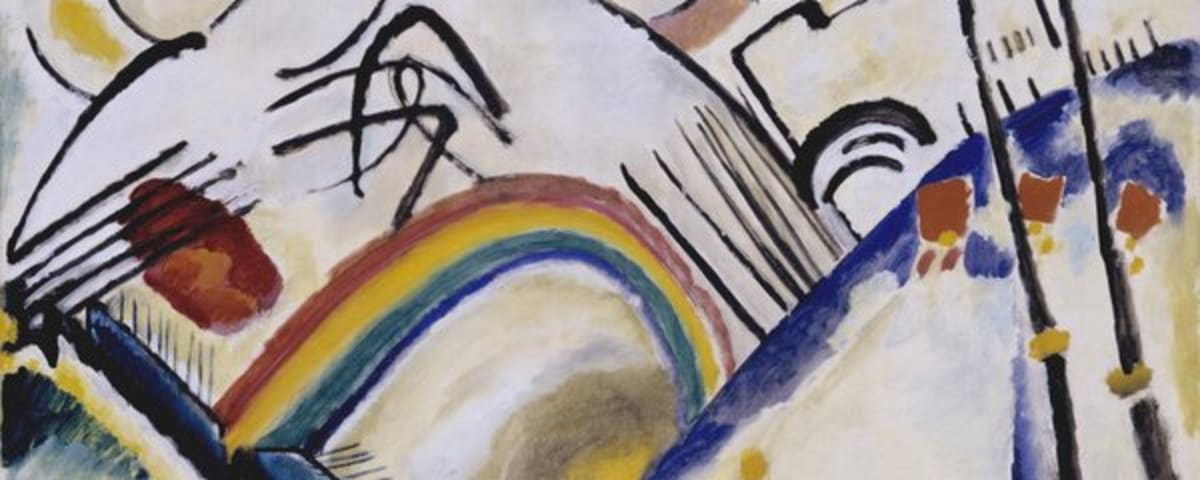
Der Blaue Reiter (The Blue Rider) was a German Expressionist group that formed in Munich around 1911 around the painters Wassily Kandinsky and Franz Marc. Its name came from the almanac they published in 1912 and, according to legend, from the founders' shared love of horses, riders and the colour blue, which they associated with spirituality. Unlike the harsh, angular aesthetic of the Dresden group Die Brücke, Der Blaue Reiter favoured a lyrical, mystical and increasingly abstract art in which colour and form were meant to express inner, spiritual realities. The circle included August Macke, Gabriele Münter, Alexej von Jawlensky, Marianne von Werefkin and the composer Arnold Schoenberg. Its members were fascinated by folk art, children's drawings, and medieval and non-European traditions, which they saw as possessing a sincerity lost to academic art. Kandinsky's treatise Concerning the Spiritual in Art provided the movement's theoretical foundation. The group dissolved with the outbreak of the First World War, in which both Marc and Macke were killed, yet it remained a decisive step towards abstract painting.
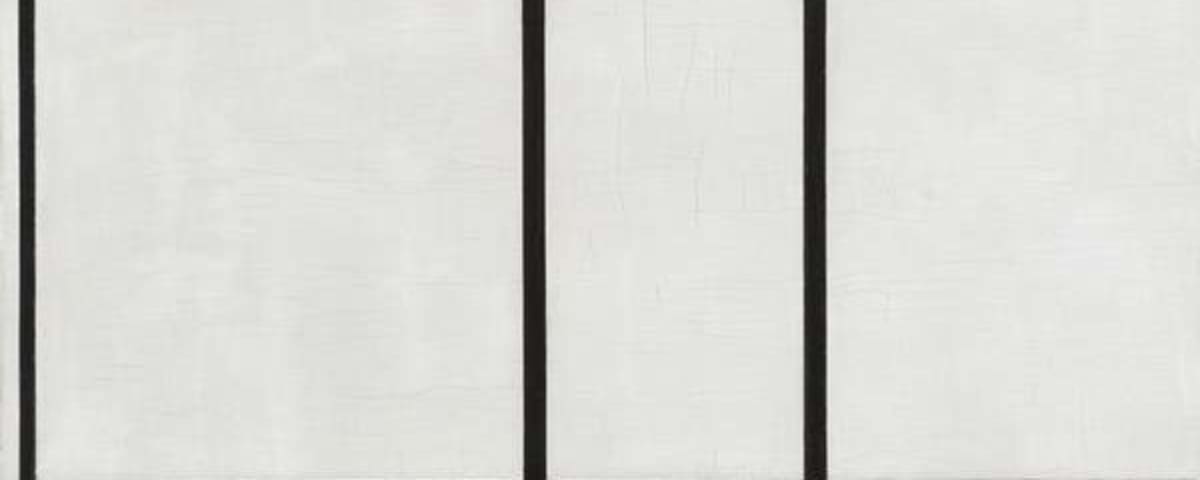
De Stijl (Dutch for The Style) was a circle of Dutch abstract painters and architects founded in 1917, together with the journal of the same name that spread their ideas. The movement promoted an art of strict geometry built exclusively from horizontals and verticals, right angles and flat planes, and a restricted palette of the three primary colours—red, yellow and blue—together with black, white and grey. Its adherents sought a universal, impersonal harmony purified of individual emotion and natural form, a philosophy that Piet Mondrian named Neoplasticism, also championed by Theo van Doesburg. Its most celebrated painter was Piet Mondrian, known for his balanced grid compositions, while its most famous three-dimensional expressions were Gerrit Rietveld's Red and Blue Chair and his Schröder House in Utrecht. The ideas of De Stijl had a profound impact on architecture, design, typography and the Bauhaus, becoming one of the cornerstones of the modernist pursuit of formal purity, clarity and rational order in the twentieth century.
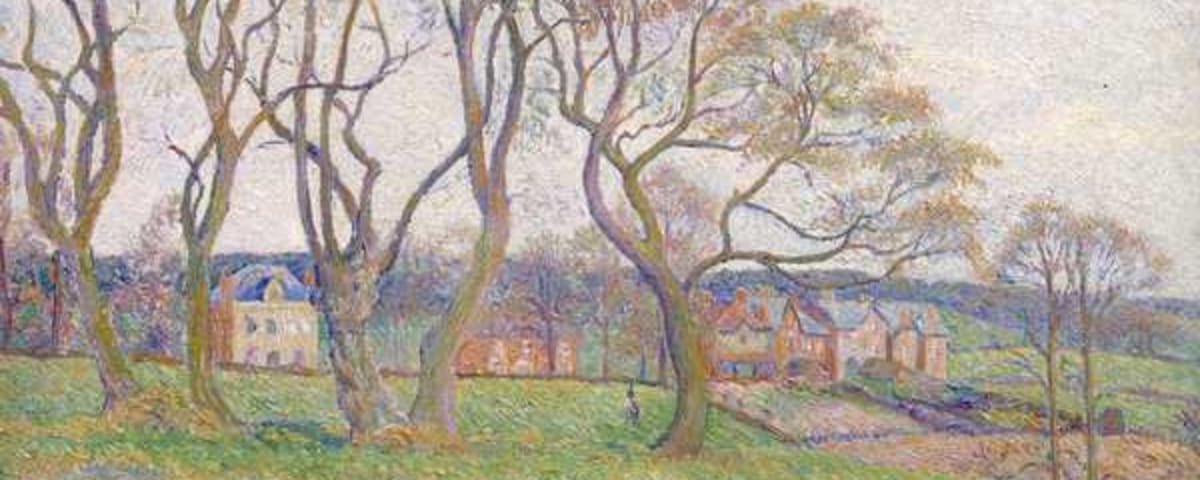
Divisionism is a late nineteenth-century painting technique that consists of applying tiny adjacent strokes or dots of pure colour to the canvas so that they mix optically in the viewer's eye, producing an effect of vibrant, luminous light. The method drew on contemporary scientific theories of colour and perception, including studies of simultaneous contrast. In French Neo-Impressionism this approach was developed by Georges Seurat and Paul Signac and is often identified with Pointillism, though Divisionism stresses the separation of colour according to optical principle rather than the dot technique alone. Its most famous example is Seurat's large canvas A Sunday on La Grande Jatte. A distinct Italian Divisionism also emerged, represented by Giovanni Segantini, Gaetano Previati and Giuseppe Pellizza da Volpedo, who combined the optical technique with symbolic and social themes. Divisionism was highly influential on later art: its understanding of the autonomy of colour and light fed into Fauvism, Futurism and early abstraction, preparing the ground for the liberation of colour from its descriptive function.

Fauvism is the name given to the painting of Henri Matisse, André Derain and other artists in their circle from about 1905 to 1910. The tendency is characterised by a bold, often unnatural use of bright, pure colour, energetic visible brushwork and simplified, almost flat forms. The name comes from the French phrase les fauves, meaning wild beasts: the critic Louis Vauxcelles used it disparagingly when he saw the artists' paintings displayed beside a Renaissance-style sculpture at the 1905 Salon d'Automne in Paris. The Fauves freed colour from its descriptive, imitative function, using it as an autonomous means of expressing emotion and building the composition. Besides Matisse and Derain, the movement included Maurice de Vlaminck, Albert Marquet, Georges Rouault and Raoul Dufy. They were influenced by the Post-Impressionism of Van Gogh and Gauguin and by Divisionism. Fauvism was short-lived as a cohesive group, yet its emphasis on the autonomy of colour was decisive for the development of modern art and directly influenced German Expressionism and the later pursuit of abstraction in the twentieth century.
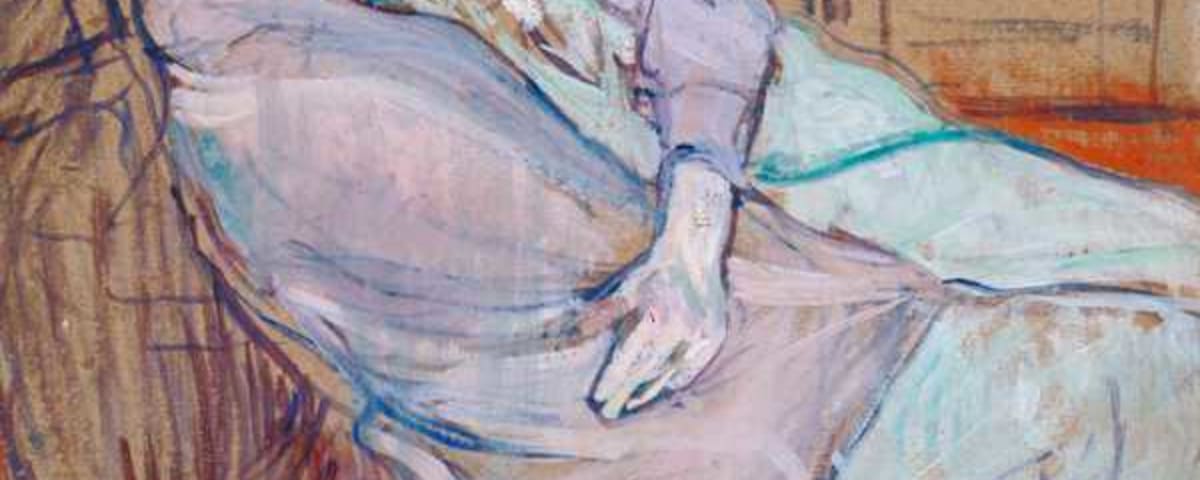
Fin de siècle is a French phrase used chiefly as a historical term to denote the end of the nineteenth century, and more precisely the decade of the 1890s. It conveys the distinctive atmosphere of that age: a mixture of refined weariness, pessimism and a sense of an era coming to a close, combined with a restless anticipation of renewal and of something new. Culturally, fin de siècle is closely bound to Decadence, Symbolism and Aestheticism; its hallmarks were a fascination with artifice, eroticism, mysticism, morbid beauty and the dissolution of established values. In the visual arts the mood of the period was embodied in Art Nouveau with its flowing lines, the graphic art of Aubrey Beardsley, and the Symbolist painting of Gustav Klimt and the Vienna Secession. It was a time of turbulent social change, scientific discovery, urbanisation and anxiety about the future. The turn-of-the-century atmosphere also nourished modern culture across Europe, where Symbolism, Secession and the aesthetics of formal renewal marked painting, graphics and literature. The term is still used to describe the tense, exquisite moods that accompany the turning of historical epochs.
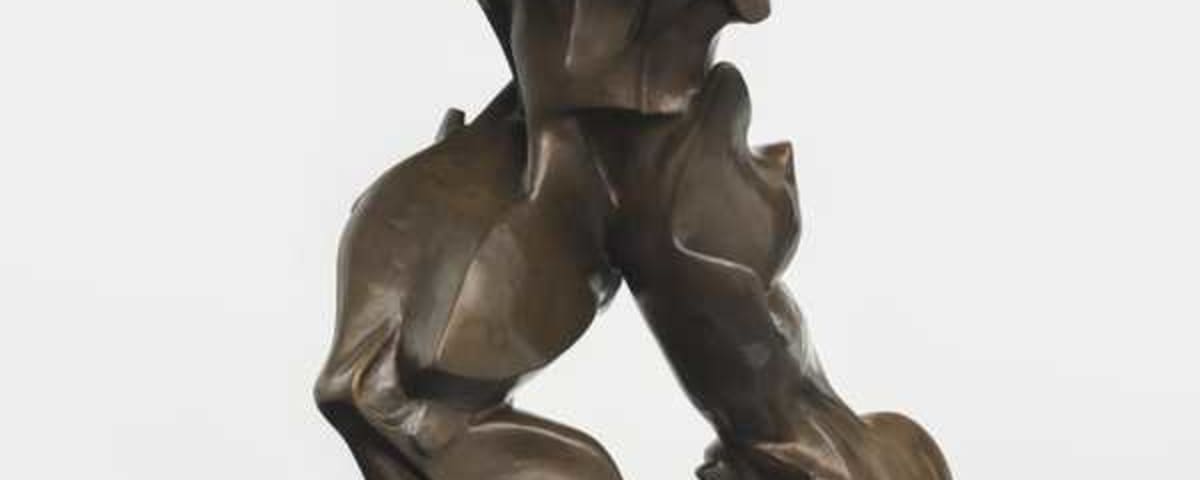
Futurism was an avant-garde movement proclaimed in 1909 by the manifesto of Filippo Marinetti, which glorified speed, the machine, the energy of industrial civilization and a break with the museum past. Its aesthetic sought to convey the dynamism, movement and simultaneity of sensation of the modern city. Its formal means were the fragmentation of form into successive phases of motion, "lines of force" that traced trajectories, the interpenetration of objects and space, the rhythmic repetition of contours, sharp diagonals and machine-like imagery. The Italian Futurists Umberto Boccioni, Giacomo Balla, Gino Severini and Carlo Carrà embodied the plasticity of movement and the vibration of light. The Ukrainian and East Slavic contribution was especially powerful: David Burliuk, the "father of Futurism" in the Empire, combined shock tactics with an uninhibited handling of surface; Oleksandr Bohomazov, in his treatise "Painting and Elements," developed a theory of dynamic form and created masterpieces of Cubo-Futurism such as "Lvivska Street in Kyiv" (1914); Aleksandra Exter synthesized Cubism and Futurism in explosive colour rhythms; the early Kazimir Malevich and Vadym Meller also gravitated to this circle. Cubo-Futurism became a distinctive East European version of the movement, closely tied to the poetic avant-garde. Futurism embraced painting, sculpture, graphic art, poetry, theatre and typography, proclaiming a cult of technological progress. Despite the political controversy of its Italian branch, the movement radically changed the depiction of time and motion and prepared the ground for Constructivism and kinetic art.
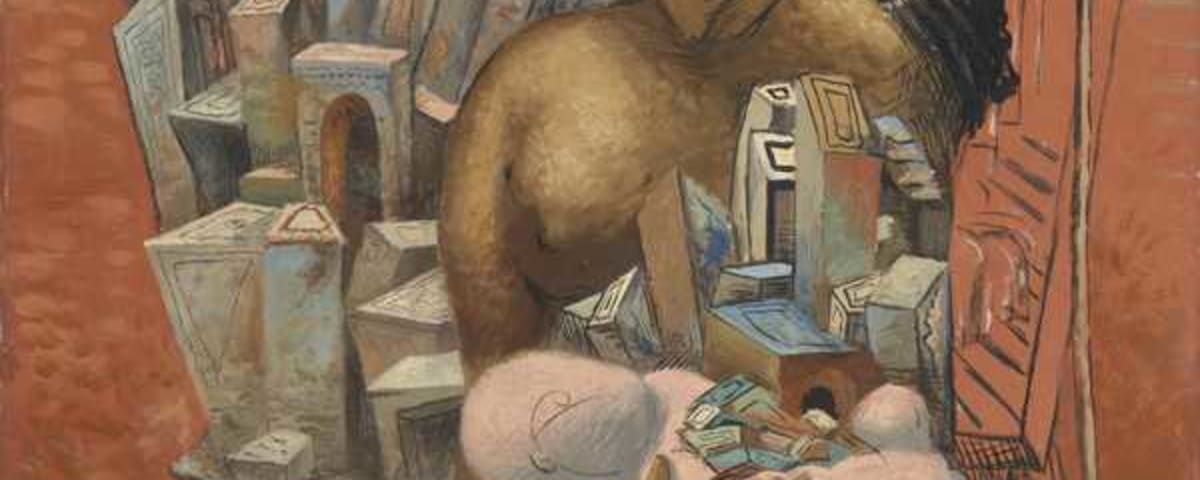
Il Novecento Italiano (Italian for The Italian Twentieth Century) was an Italian art group formed in Milan in 1922 with the aim of reviving the tradition of large-scale painting and sculpture in a classical, monumental style. The movement arose within the wider European return to order after the First World War, when many artists abandoned radical avant-garde experiment in favour of clarity, weightiness of form and a connection to the Italian classical heritage, from Roman antiquity to the masters of the early Renaissance. The group's ideologist and promoter was the critic and collector Margherita Sarfatti, and among its artists were Mario Sironi, Achille Funi, Anselmo Bucci and Ubaldo Oppi. Their painting is marked by simplified, sculptural volumes, static compositions, muted colour and a sense of solemn stillness. Novecento gained official recognition under the Fascist regime, with which some of its members were associated, which later complicated assessment of the movement. Nonetheless, Il Novecento Italiano remains an important example of interwar Neoclassicism and a testimony to the complex relations between modern art, tradition and politics in the twentieth century.

Impressionism is a visual language that took shape in France in the 1860s and 1870s and revolutionized European painting by placing at its centre the immediate visual impression of a changing world. Its aesthetic core was the desire to seize a fleeting instant, the play of light, atmosphere and the vibration of air. The artists left the studio for the open air (plein air) and began to paint what the eye sees under a particular light rather than what the mind knows. Its formal marks are a broken, vibrating brushstroke, a bright, high-keyed palette without black shadows, the optical mixing of pure colours, the dissolution of contour, and a fragmentary composition seemingly caught "by chance," shaped by the influence of photography and the Japanese print. Its motifs are landscape, water and reflections, city boulevards, scenes of leisure and the portrait in a natural setting. Its founders were Claude Monet, with his series of haystacks, cathedrals and water lilies, Auguste Renoir, Camille Pissarro, Edgar Degas with his dynamism of movement, and Berthe Morisot; the movement's name came from Monet's painting "Impression, Sunrise." In Ukrainian art the Impressionist discoveries were creatively absorbed by Mykola Burachek, by Oleksandr Murashko, whose canvas "The Carousel" glows with light, by Abram Manevich and Petro Levchenko. Impressionism liberated colour and brushwork, changed the very notion of a finished work, and opened the road to Post-Impressionism and all subsequent modern painting, remaining one of the public's most beloved chapters in the history of art.
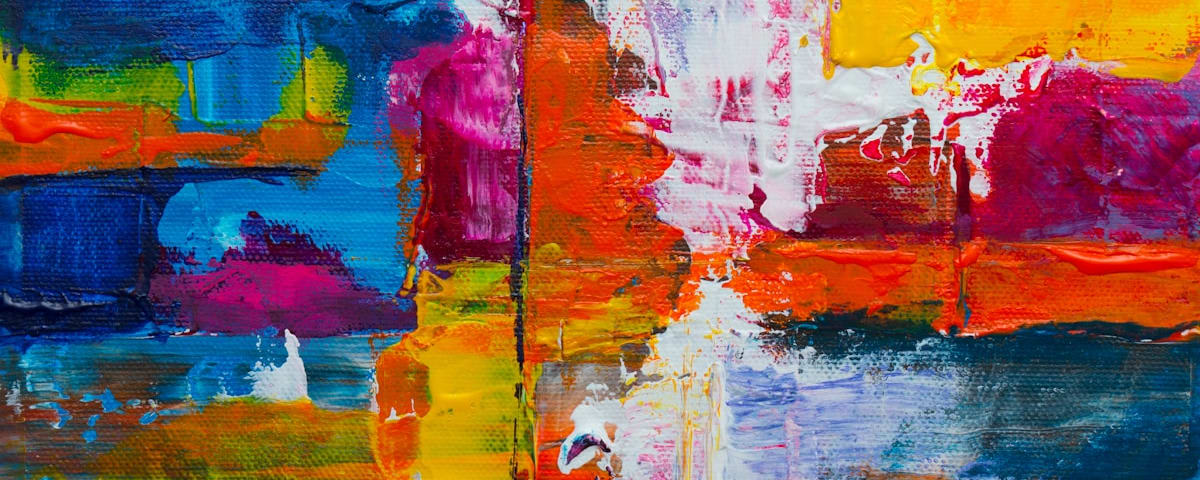
Indigenism (from Spanish indigenismo) is a cultural and artistic movement that arose in Latin America in the early twentieth century and placed indigenous peoples, their heritage, identity, and social struggle at its centre. It emerged as a reaction against European academic art and colonial erasure, asserting the dignity and aesthetics of pre-Columbian civilisations — the Aztecs, Maya, and Inca. In the visual arts, indigenism found its most vivid expression in Mexican muralism: Diego Rivera, José Clemente Orozco, and David Alfaro Siqueiros celebrated the nation's indigenous roots in monumental frescoes. In Peru the movement was led by the painter José Sabogal, who depicted Andean peasants with deep respect. Indigenism fused art with politics, demanding recognition of indigenous rights. It was an important contribution to the search for national and cultural identity beyond imposed colonial canons, and it inspired later movements for the decolonisation of culture.
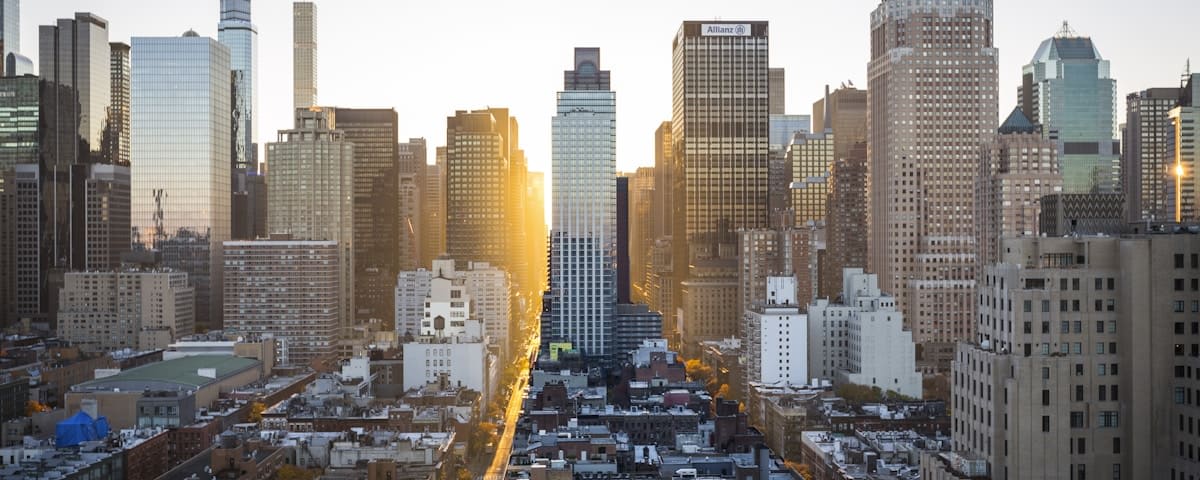
The International Style is the dominant strain of architectural modernism, named by American critics Henry-Russell Hitchcock and Philip Johnson in 1932 in connection with an exhibition of modern architecture at the Museum of Modern Art in New York. It is defined by radical functionalism, the rejection of ornament, skeletal frames of glass, steel and reinforced concrete, clean rectilinear volumes, ribbon windows, white or neutral surfaces, and compositions that are asymmetrical yet rigorously balanced. Its theoretical and practical foundations were laid by masters of the Bauhaus and the European avant-garde — Walter Gropius, Ludwig Mies van der Rohe and Le Corbusier. The slogan 'form follows function' turned architecture into a universal language suited to any place on earth, hence the name. After the Second World War the style spread to office towers, government buildings and housing estates across many countries, shaping postwar urban construction including that of Ukrainian cities. Critics later charged it with cold impersonality, opening the way for the postmodern reaction that followed.
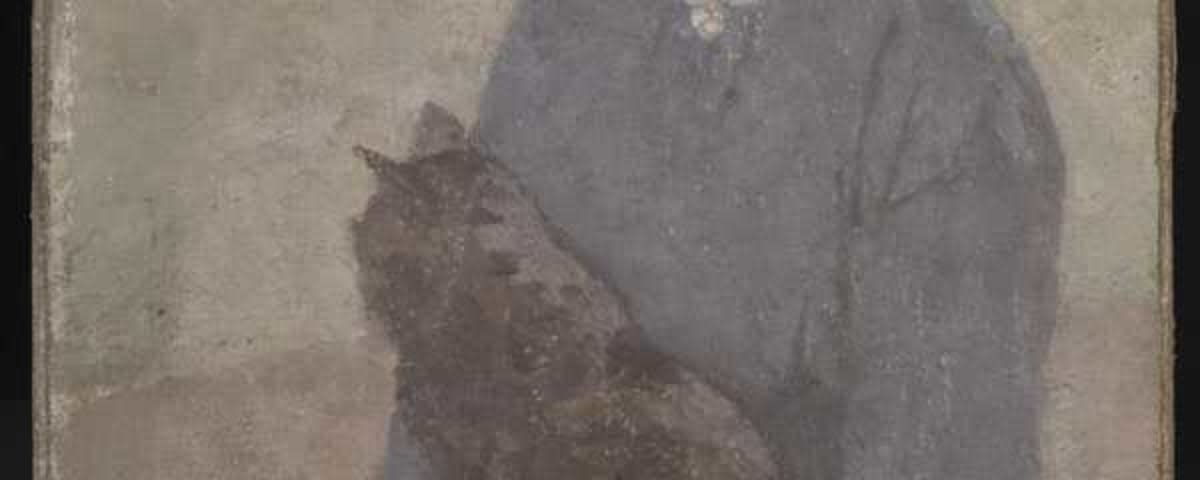
Intimism (French intimisme) is a French painting tendency of the late nineteenth and early twentieth centuries that depicts quiet, cosy domestic scenes within the private space of the home: women reading, laid tables, lamp-lit interiors, family rooms. Its most consistent exponents were Pierre Bonnard and Édouard Vuillard, both associated with the Nabis group. Their canvases are distinguished by a warm, muted palette, a small shimmering touch, a decorative densification of the surface, and close attention to the patterns of wallpaper, fabrics and pools of light. In place of heroic or historical subjects, the intimists raised the everyday and the unremarkable to the level of aesthetic meditation, continuing the interior genre of seventeenth-century Dutch painting while absorbing the lessons of Impressionism. The term stresses not only the chamber scale of the motifs but also a particular emotional closeness between viewer and scene. Intimism influenced the modern painting of everyday life across many European schools, including the Ukrainian.
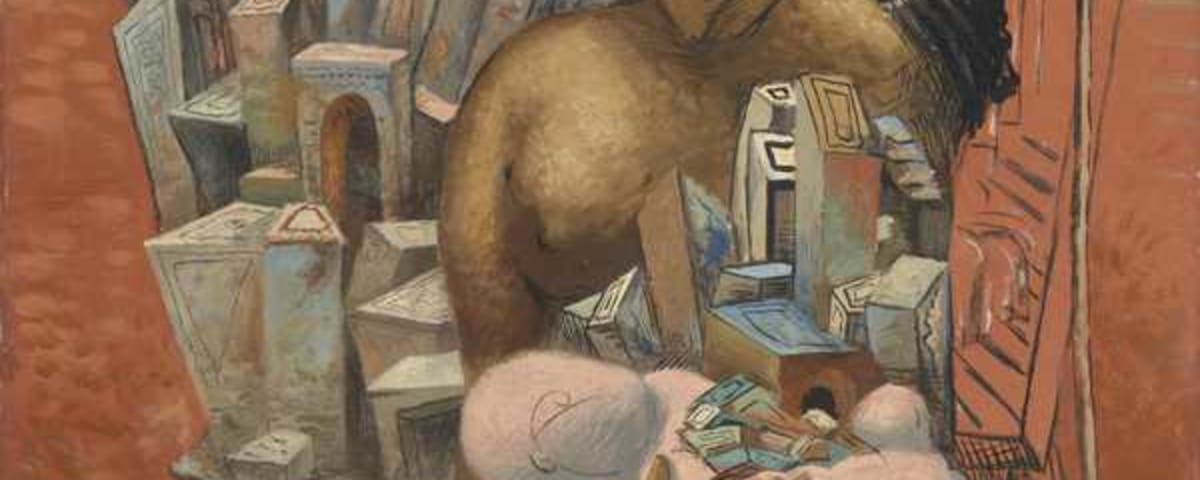
Magic realism is a term coined by the art historian and critic Franz Roh in 1925 to describe a strain of postwar European painting in which the world is depicted with emphatic clarity and realistic precision, yet with a sense of mystery, wonder or dreamlike estrangement. Unlike Surrealism, which released the unconscious and the illogical, magic realism preserves the clear, almost photographic distinctness of objects while endowing the ordinary with an aura of secrecy. Roh linked it to the New Objectivity (Neue Sachlichkeit) tendency in German art. The concept later spread to artists in various countries, including the American scene, and more widely still to literature, where magic realism became defining for Latin American prose. In painting, magic realism is distinguished by sharp detail, stillness, strange juxtapositions of familiar objects and a sense of muffled tension beneath the surface of the everyday. The tendency reflected a wish to return to the figurative after abstract and expressionist experiments, without losing modern anxiety.
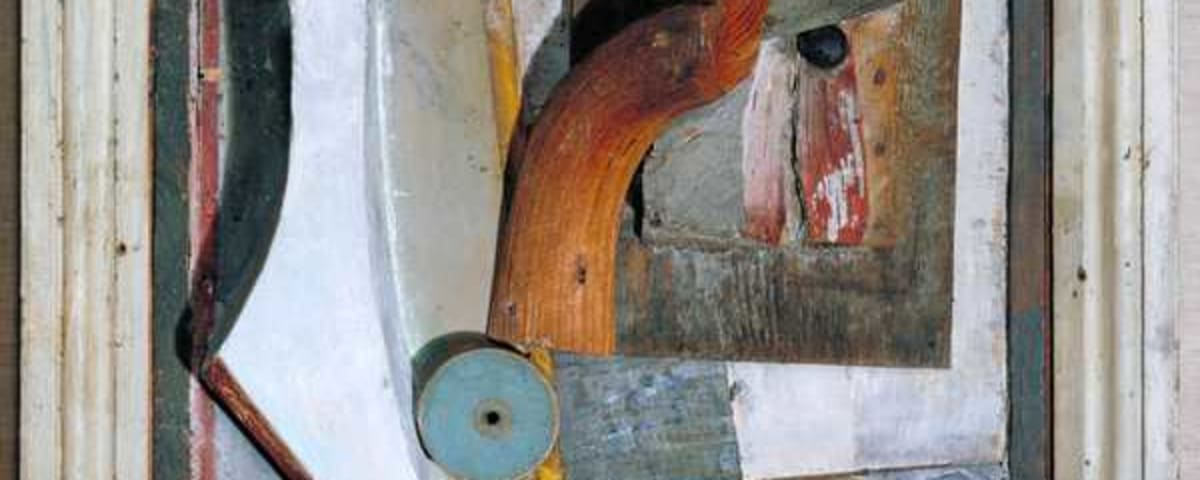
Merz is an invented nonsense word that the German Dada artist Kurt Schwitters introduced around 1919 to designate his own artistic method: collages and assemblages composed of gathered second-hand materials — tickets, wrappers, scraps of newspaper, buttons, wire, splinters of wood and other urban refuse. The word arose by chance when a fragment of the name of the bank 'Commerz und Privatbank' found its way into one of his collages; the syllable 'merz' survived and gave its name to the whole practice. Schwitters proclaimed Merz a universal worldview capable of embracing any material and any medium — poetry, painting, sculpture, music, print. Its most ambitious embodiment was the 'Merzbau', a durational architectural installation with which the artist rebuilt his own home in Hanover over years, turning it into a branching spatial construction. Merz celebrates the beauty of the devalued, discarded and accidental, raising the waste of consumer society to the status of art. The practice exerted a marked influence on postwar assemblage art, Pop art and the conceptual currents of the twentieth century.
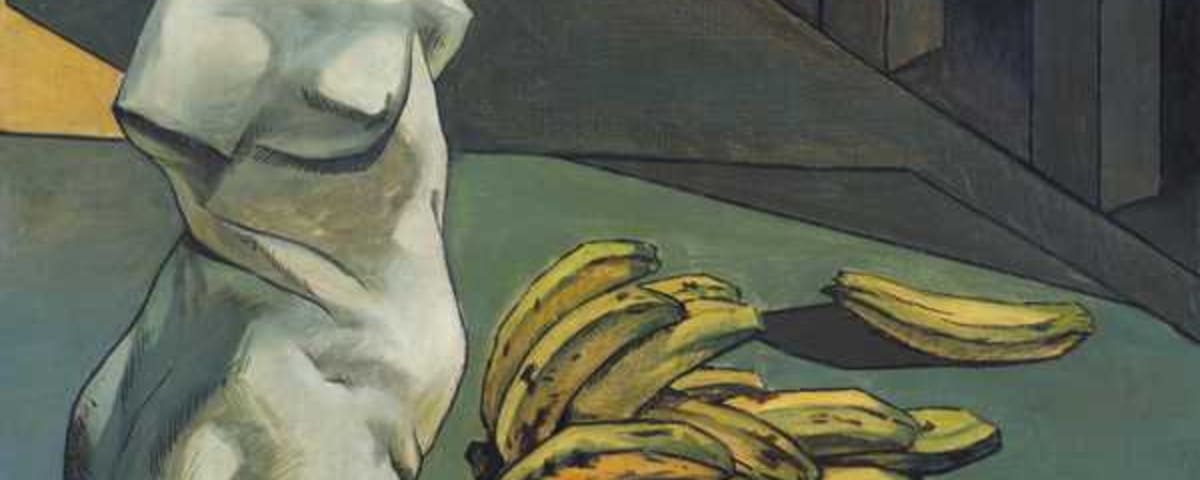
Metaphysical art (Italian Pittura metafisica) is an Italian tendency of the early twentieth century, founded around 1911 to 1917 by Giorgio de Chirico and developed together with Carlo Carrà and Giorgio Morandi. Its characteristic images are deserted, coldly lit arcaded squares with elongated shadows, classical architecture, towers, faceless mannequins and unexpected combinations of ordinary objects wrenched from their usual context. These dreamlike, ominously frozen scenes radiate a sense of silence, anxiety and hidden mystery behind the surface of the visible world — hence the name 'metaphysical', that which lies beyond the physical. De Chirico sought to reveal the enigmatic, unreal essence of things, freeing them from logic and practical purpose. Although the movement was short-lived, its influence was immense: metaphysical painting became one of the principal sources of inspiration for the Surrealists, notably René Magritte and Salvador Dalí. Metaphysical art opened the way to the exploration of the unconscious, the dream and estrangement in modern painting.
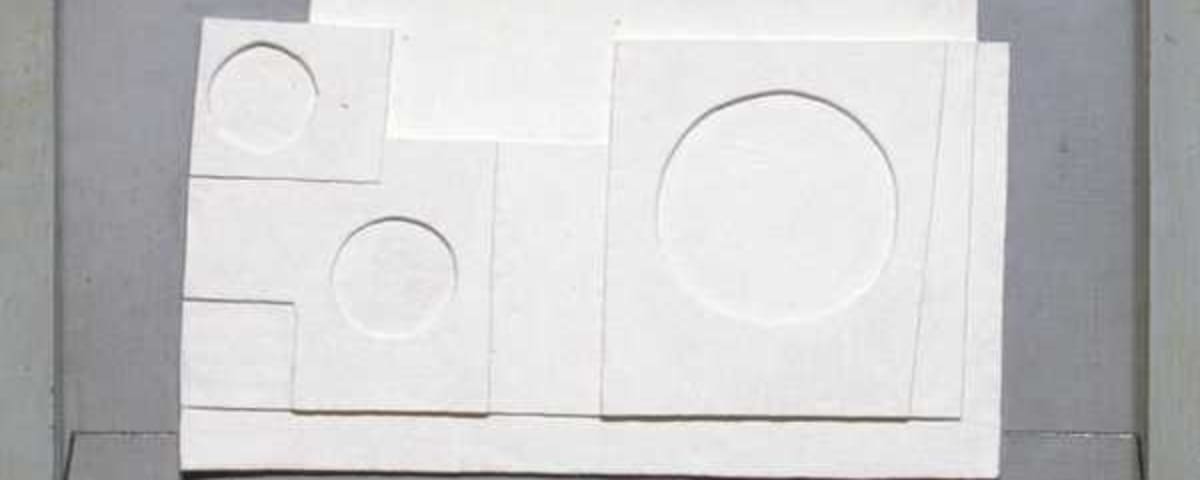
Modernism is a broad artistic paradigm of the late nineteenth to mid-twentieth centuries that united the drive to renew the language of art radically, to break with the academic tradition and to find forms consonant with the experience of the modern human being. Its engine was a belief in innovation, the autonomy of art and the intrinsic value of artistic form, and its motto was Ezra Pound's call to "make it new." Modernism is not a single style but a genealogical tree of movements: Post-Impressionism, Symbolism, Fauvism, Cubism, Futurism, Expressionism, abstraction, Suprematism, Constructivism, Surrealism and Dada. Their common features are a departure from mimetic depiction toward stylization and abstraction, attention to the medium itself (the flat surface, colour, texture), experiment with form, fragmentation and reflection on the language of art. Its pivotal figures are Paul Cézanne, Pablo Picasso, Henri Matisse, Wassily Kandinsky and Piet Mondrian. Ukrainian Modernism is a powerful and distinctive phenomenon: Kazimir Malevich with Suprematism, Oleksandr Bohomazov, Aleksandra Exter, the school of the Boichukists led by Mykhailo Boichuk, which fused Byzantine monumentality with the avant-garde, the graphic art of Heorhii Narbut and the architecture of Ukrainian Art Nouveau. In a wider sense Modernism embraced architecture (Functionalism, the Bauhaus), design, literature and music, affirming the image of the artist as innovator. Its era ends in the second half of the twentieth century, giving way to postmodernism, which cast doubt on the modernist faith in progress, originality and the grand narrative ambition of art.
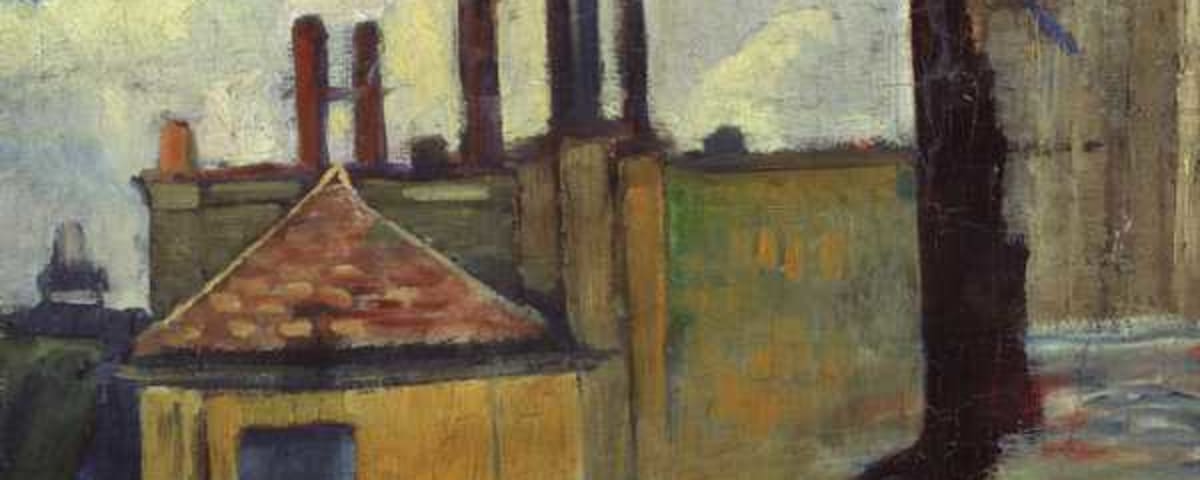
The Nabis were a group of Post-Impressionist French painters active from about 1888 to 1900, whose works are distinguished by flat patches of colour, bold outlines and simplified, decorative drawing. The name derives from the Hebrew word 'nabi' ('prophet') and reflected the semi-secret, almost mystical character of the association. The group arose under the influence of Paul Gauguin and the Pont-Aven school; the immediate spark was a small 'talisman' picture that Paul Sérusier painted under Gauguin's guidance. The Nabis included Pierre Bonnard, Édouard Vuillard, Maurice Denis, who formulated the famous dictum that a painting is above all a flat surface covered with colours in a certain order, as well as Paul Sérusier, Ker-Xavier Roussel and Félix Vallotton. The Nabis erased the boundary between high and decorative art, working on panels, stained glass, theatre sets, posters and book illustration. Their leaning toward flatness, symbolism and ornament made the group an important link in the passage from Impressionism to Modernism and Art Nouveau.
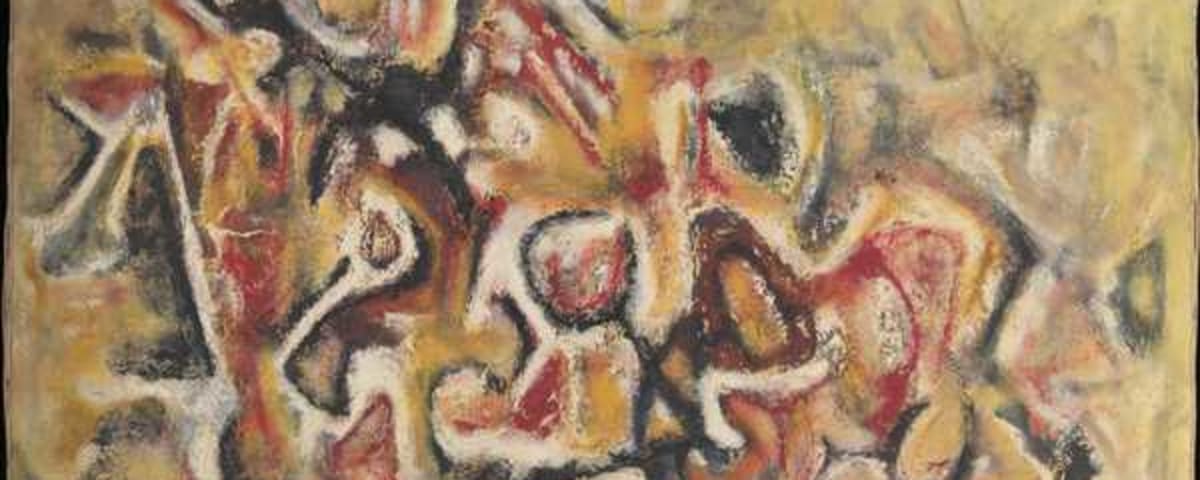
Négritude is an anti-colonial cultural and political movement founded by a group of African and Caribbean students in Paris in the 1930s, who sought to affirm the value of black identity and African culture that colonialism had despised. The key figures of the movement were the poet and future president of Senegal Léopold Sédar Senghor, the Martinican poet and politician Aimé Césaire, who actually coined the term, and the French Guianese writer Léon Damas. Négritude rejected the inferiority imposed by the colonisers, asserting pride in a shared African heritage, spirituality and aesthetics. Although the movement began chiefly in literature, it had a profound influence on the visual arts: artists of Africa, the Caribbean and the African diaspora drew on traditional forms, masks, sculpture and ornament to create a modern language of decolonised self-awareness. Négritude echoed the broader currents of Pan-Africanism and contributed to the cultural upsurge of the era of independence struggles among African states in the mid-twentieth century. It remains one of the most important intellectual movements to rethink race, identity and cultural dignity.

Neo-Impressionism is the name given to the Post-Impressionist work of Georges Seurat, Paul Signac and their followers, who painted by applying small adjacent touches or dots of pure colour so that, seen from a distance, these hues would mix optically in the viewer's eye, reproducing the vibration of light. This technique is known as Pointillism or Divisionism. The movement arose in the mid-1880s in France and drew on contemporary scientific theories of colour and visual perception, notably the writings of Michel Eugène Chevreul and Ogden Rood. Unlike spontaneous Impressionism, Neo-Impressionism sought a systematic, almost methodical approach, and its compositions are marked by a balanced, harmonious structure and a sense of frozen monumentality. The programmatic work is considered to be Seurat's large canvas 'A Sunday on La Grande Jatte' (1884–1886). Signac became the chief theorist and populariser of the method, setting out its principles in his book 'From Eugène Delacroix to Neo-Impressionism'. The movement influenced Fauvism and the further development of abstract colour, and its ideas spread through many European schools.

Neo-Plasticism is the term adopted by the Dutch pioneer of abstract art Piet Mondrian to designate his own type of abstract painting, which reduced the image to the simplest elements: only horizontal and vertical black lines forming a grid, and fields filled with the three primary colours — red, blue and yellow — in combination with white, black and grey. Mondrian developed this language around 1917 to 1920 within the De Stijl movement, founded together with Theo van Doesburg. The name derives from the Dutch 'Nieuwe Beelding', 'new formation'. Mondrian sought to express a universal, timeless harmony and spiritual equilibrium, purging art of all figuration, individual feeling and chance. He believed that the strict balance of opposites — vertical and horizontal, colour and colourlessness — reflected the fundamental order of being. Neo-Plasticism exerted a profound influence on the architecture, design, typography and applied arts of the twentieth century, becoming one of the defining languages of geometric abstraction and a foundation of later modernist design.
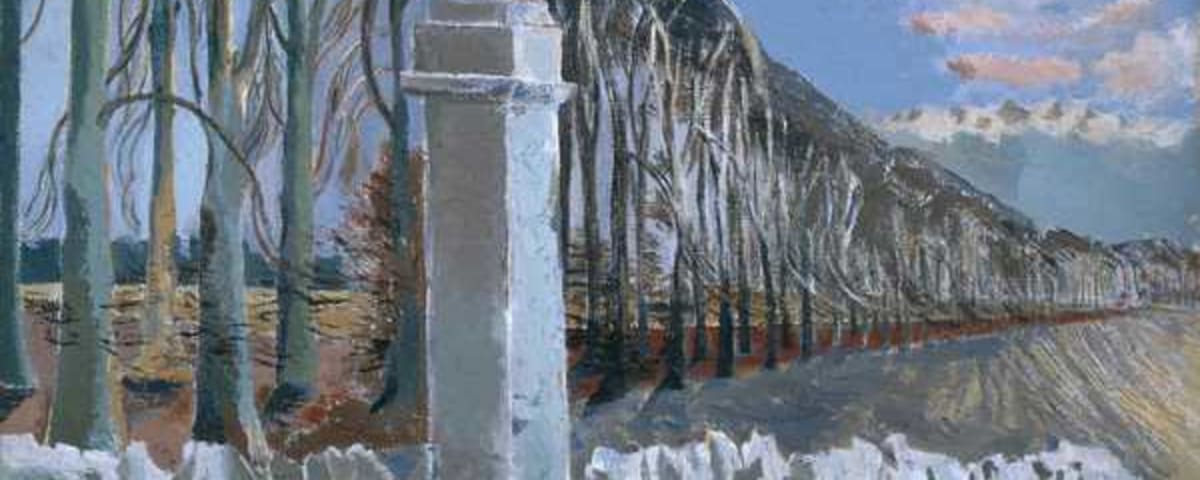
Neo-Romanticism is a term applied to the imaginary and often quite abstract landscape paintings of the British artists Paul Nash, Graham Sutherland and others in the late 1930s and the 1940s. The movement arose as a kind of revival of the spirit of nineteenth-century English Romanticism — of William Blake, Samuel Palmer and John Martin — in response to the anxieties of the pre-war and wartime years. The Neo-Romantics turned to the native landscape as a source of mystical, poetic and sometimes eerie experience, endowing hills, trees, ruins and ancient stones with a sense of spiritual presence and historical depth. Their landscapes are full of melancholy, solitude and charged atmosphere, and their forms often approach surrealist deformation and symbolic generalisation. The circle of Neo-Romantics also included John Piper, John Minton and the young Lucian Freud in his early phase. The movement played an important role in British wartime and postwar art, notably in the work of the official war artists, and expressed a yearning to seek spiritual roots and national identity in the landscape of the homeland.
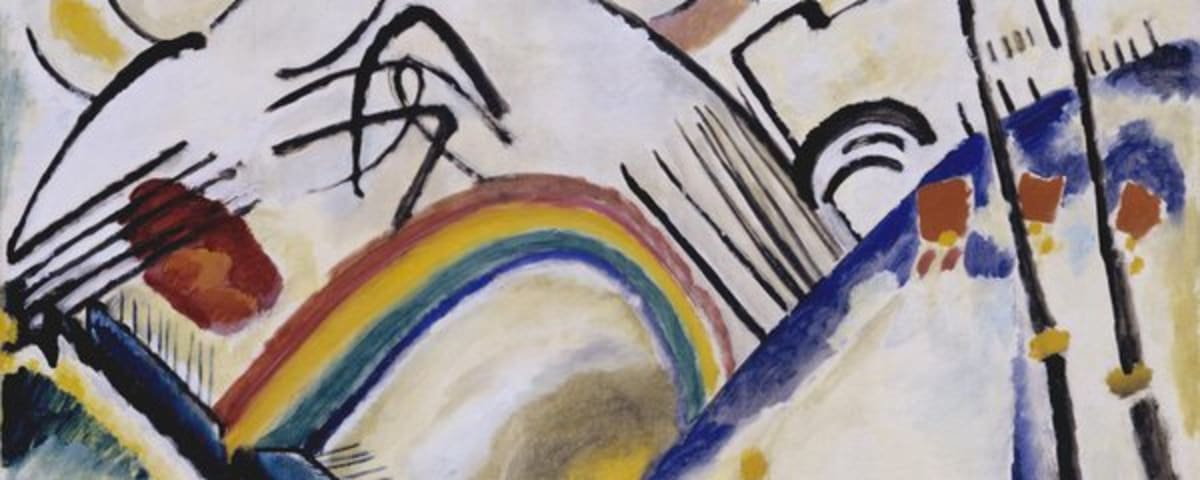
The New Artists' Association of Munich (German Neue Künstlervereinigung München, abbreviated NKV) is an avant-garde exhibiting society founded in Munich in 1909 by a group of artists dissatisfied with the conservatism of the official art associations. The association sought to establish a new art free of academicism, oriented toward spiritual content, symbolism and an increasingly bold treatment of colour and form at the threshold of abstraction. Wassily Kandinsky became chairman of the society, and among its leading members were Alexej von Jawlensky, Marianne von Werefkin, Gabriele Münter and Adolf Erbslöh. The NKV mounted several exhibitions that introduced the Munich public to the newest European tendencies, including Fauvism and Cubism. However, tension grew within the group between the moderate members and the more radical wing led by Kandinsky, who was moving ever more decisively toward non-objective art. In 1911, following a sharp split, Kandinsky, Franz Marc and Münter left the association and founded the famous Blue Rider (Der Blaue Reiter). The NKV thus served as an important intermediate stage from which one of the most influential movements of German Expressionism grew.

New Objectivity (German: Neue Sachlichkeit) was a German art movement of the 1920s that emerged as a reaction against the emotionalism of Expressionism and the idealism of the pre-war avant-garde. The name was coined in 1925 by curator Gustav Hartlaub for an exhibition in Mannheim that gathered a generation of artists who had turned toward a sober, critical, almost clinical realism. Practitioners of New Objectivity depicted the post-war reality of the Weimar Republic without embellishment: maimed veterans, prostitutes, profiteers, social inequality, and the moral decay of the big cities. Leading figures included Otto Dix, George Grosz, and Max Beckmann, whose sharply satirical canvases exposed the cynicism and brutality of the era. The style combined cold precision of detail with biting social commentary. The Nazi rise to power in 1933 ended the movement: many works were branded as degenerate art, confiscated, or destroyed. New Objectivity remains one of the most penetrating testimonies to the interwar crisis in European culture.
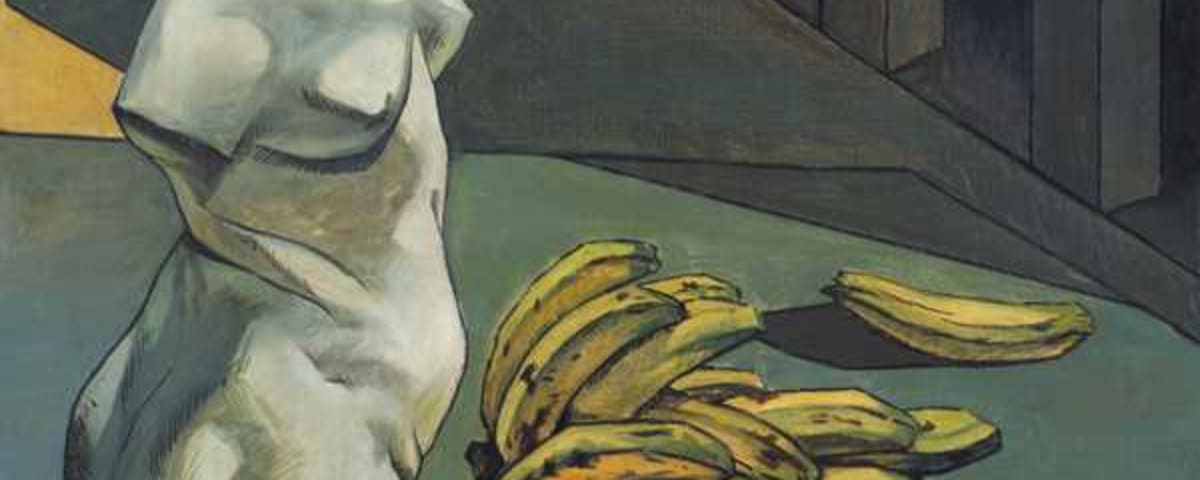
Metaphysical Painting (Pittura Metafisica) was an Italian art movement of the early twentieth century characterized by dreamlike, unsettling images of deserted arcaded squares with unexpected juxtapositions of objects. The tendency originated around 1910–1911 in the work of Giorgio de Chirico and received its name and theoretical formulation during the First World War, when de Chirico met the painter Carlo Carrà in the city of Ferrara around 1917. Metaphysical Painting depicted empty urban spaces with sharp shadows, classical arcades, mannequins in place of people, geometric instruments, and everyday things wrenched from their usual context. This created a sense of mystery, frozen time, and hidden meaning behind visible reality. The artists sought to reveal the "metaphysical" essence of things lying beyond ordinary perception. Besides de Chirico and Carrà, Giorgio Morandi is associated with the movement. Metaphysical Painting had an enormous influence on Surrealism, inspiring artists such as Max Ernst and René Magritte, and became one of the key sources of the art of the enigmatic and the unreal.

Post-Impressionism is a collective name for the artistic searches that grew out of Impressionism but overcame its fixation on the fleeting impression in favour of enduring form, structure and personal meaning. The movement's shared idea was to return to painting the constructive strength, symbolic depth and emotional tension lost in the pursuit of transient light. Formally, its masters retained the pure, saturated colour of the Impressionists, yet subordinated it to conception rather than to the eye. Paul Cézanne sought in nature a geometric foundation — the cylinder, the sphere, the cone — and built space through the juxtaposition of colour planes, becoming a bridge to Cubism. Georges Seurat devised Pointillism, breaking colour into tiny dots of pure pigment that blend only in the viewer's eye. Vincent van Gogh turned the brushstroke into a vessel of feeling: his swirling, impasto lines pulse with an inner fire. Paul Gauguin turned to Synthetism and symbol, working with large decorative fields of saturated colour and primitive forms. Post-Impressionist composition is deliberate, often flat and decorative, with an emphasised contour. Technically, its artists experimented with texture, the rhythm of the brushstroke and the expression of line. The movement developed in France in the 1880s–1900s and became the foundation of all modern twentieth-century art, feeding Fauvism, Expressionism and Cubism. Today Post-Impressionism is valued for uniting chromatic freedom with intellectual and spiritual depth.
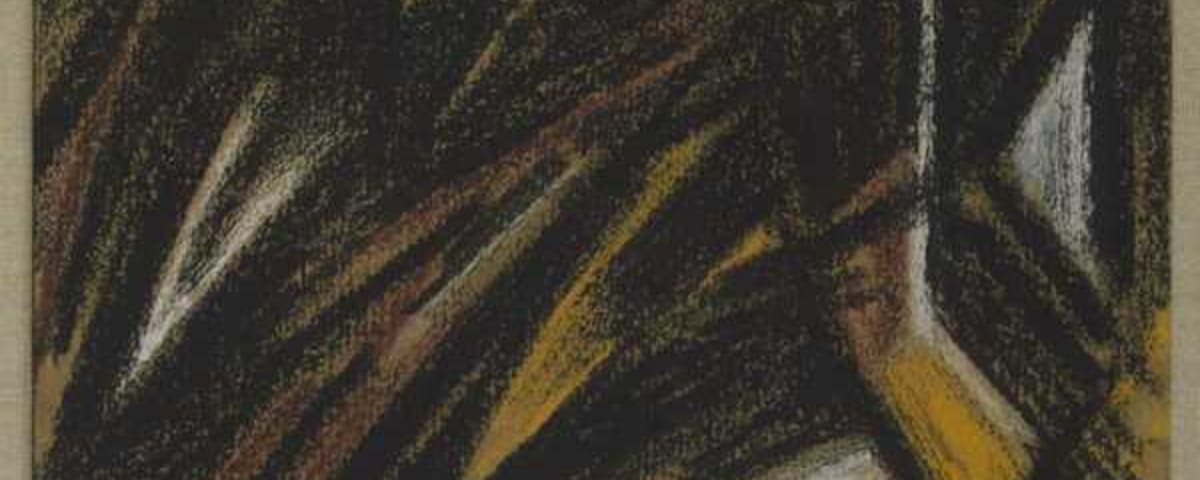
Rayonism (from the French rayon, "ray") was an early form of abstract art characterized by the interaction of lines and forms derived from rays of light reflected off objects. The tendency was developed by the artists Mikhail Larionov and Natalia Goncharova around 1912–1913 and announced in a manifesto in 1913. Rayonism was based on the idea that the eye sees not objects themselves but the rays of light they emit; the artist's task was to depict not the thing but the intersection of these invisible streams of light in space. The canvases showed dynamic bundles of colored lines crossing at various angles, creating a shimmering, almost non-objective field. Theoretically the tendency echoed the ideas of Italian Futurism regarding movement, dynamism, and energy, as well as the scientific conceptions of light of its time. Goncharova, whose art was closely linked to folk tradition and icon painting, brought to Rayonism a sense of color and decorative rhythm. Although the movement was short-lived, it became one of the earliest steps toward complete abstraction in European art.
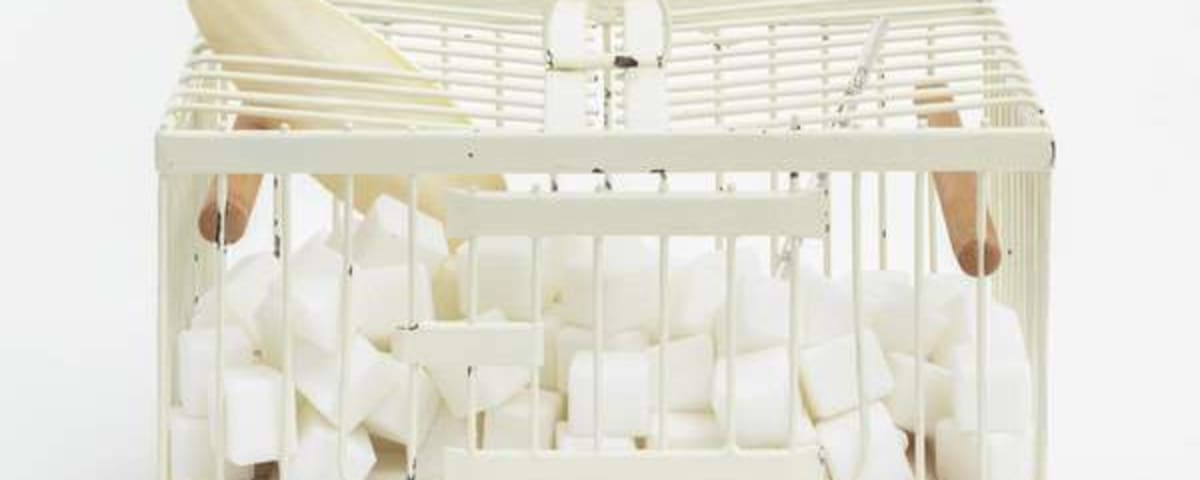
Readymade is a term introduced by the artist Marcel Duchamp to denote artworks created from mass-produced industrial objects, selected and declared art by the very fact of the artist's choice. Duchamp began using the concept around 1915. The essence of the readymade lay in a radical shift: the artist no longer paints or sculpts anything but merely singles out an ordinary object from the flow of consumption, places it in an artistic context, and grants it a new status. The most famous example was "Fountain" of 1917 — a factory-made porcelain urinal signed with the pseudonym R. Mutt and submitted to an exhibition. Duchamp also turned a bicycle wheel, a bottle rack, and a snow shovel into art. The readymade called into question fundamental notions of craftsmanship, originality, authorship, and the very nature of art, asserting that the decisive factor is the artist's idea and gesture rather than craft. This idea had a colossal influence on Dada, Conceptual art, Pop art, and nearly all art of the twentieth and twenty-first centuries.
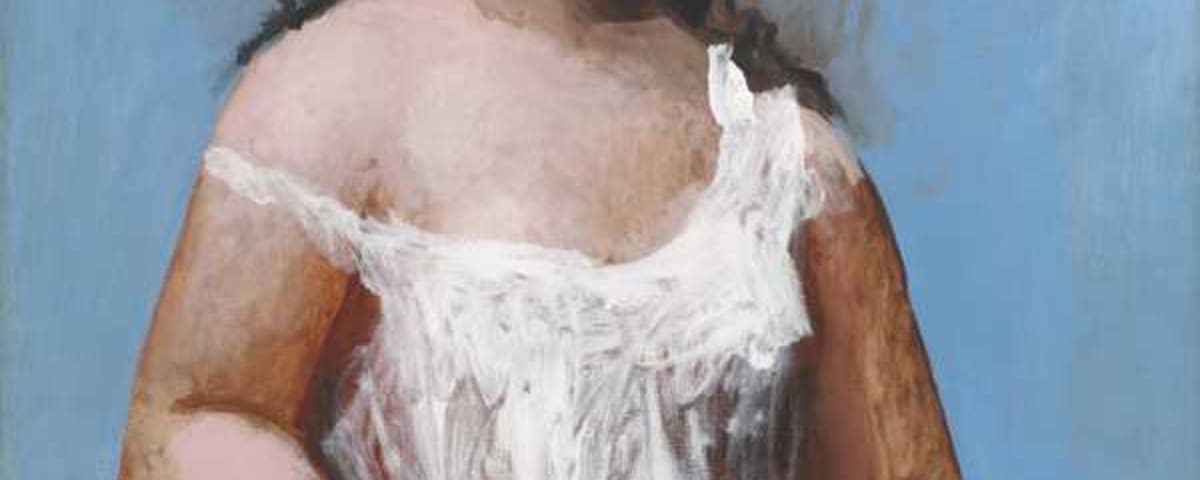
Return to Order (French: retour à l'ordre) was a European art movement and mood after the First World War, characterized by a return to more traditional, classical approaches in art and a rejection of the extreme avant-garde experiments of the previous decade. The catastrophe of the war provoked in many artists a longing for stability, clarity, order, harmony, and connection with the great artistic heritage of the past. Instead of the fragmentation of Cubism and the aggression of Futurism, artists turned to balanced composition, clear drawing, figuration, and classical subjects. A symbolic embodiment of this turn was Pablo Picasso's "neoclassical" period in the early 1920s, with its monumental, sculptural female figures. In Italy the Novecento group developed in parallel, and the French poet and artist Jean Cocteau was one of the theorists of this mood. Return to Order was not a single style but rather a common tendency that spread across various countries and influenced both modernists and official art of the interwar era, becoming an important episode in the history of twentieth-century art.
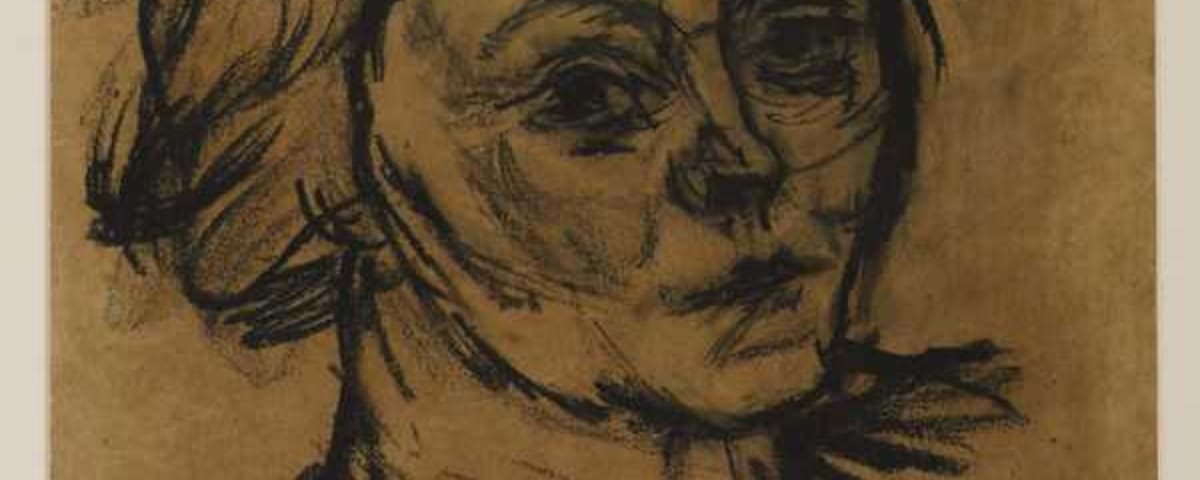
Secession (from the Latin secessio, "separation") is a term denoting the breaking away of younger and more radical artists from an existing academy or established art society in order to form a new association free from conservative rules and to provide their own exhibition venue. The phenomenon became widespread in German-speaking countries at the end of the nineteenth century. The most famous was the Vienna Secession, founded in 1897 by a group of artists led by Gustav Klimt, who became its first president. Its motto proclaimed: "To every age its art, to art its freedom." The members of the Vienna Secession, among them also Josef Hoffmann and Koloman Moser, built their own exhibition pavilion and published the journal "Ver Sacrum," promoting the Art Nouveau style and the idea of a synthesis of the arts. Earlier, in 1892, the Munich Secession arose, and later the Berlin Secession led by Max Liebermann. The Secession movement became an important form of modernization of European art, challenging the academic monopoly and opening the way to new aesthetic explorations at the turn of the century.
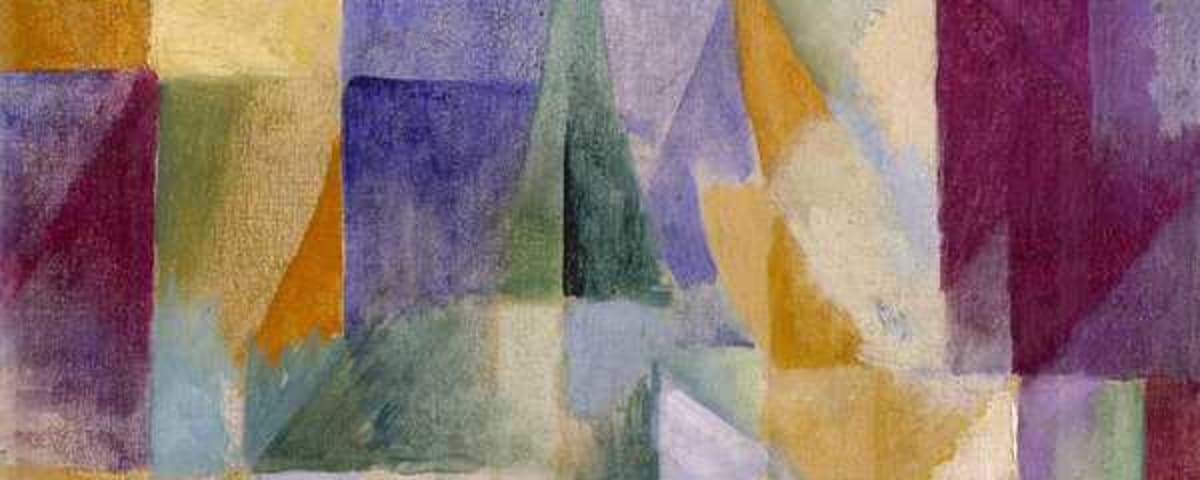
Simultanism (from the French simultané, "simultaneous") is a term introduced by the artist Robert Delaunay to describe the abstract painting developed by him and his wife Sonia Delaunay from around 1910–1912. The concept relied on the law of the "simultaneous contrast of colors," formulated in the nineteenth century by the chemist Michel-Eugène Chevreul, according to which adjacent colors mutually intensify one another and are perceived by the eye at the same time, producing a sense of vibration, movement, and light. In Simultanism color became the main means of constructing form and space rather than mere decoration; the interaction of contrasting colored planes was meant to convey the dynamism of modern life. Simultanism is closely linked to Orphism and became one of the key ideas in early abstraction. Sonia Delaunay extended these principles to textiles, book art, clothing design, and decorative panels, notably in the famous "simultaneous book" together with the poet Blaise Cendrars. Simultanism had a notable influence on the development of color abstraction and modernist design in Europe in the first half of the twentieth century.
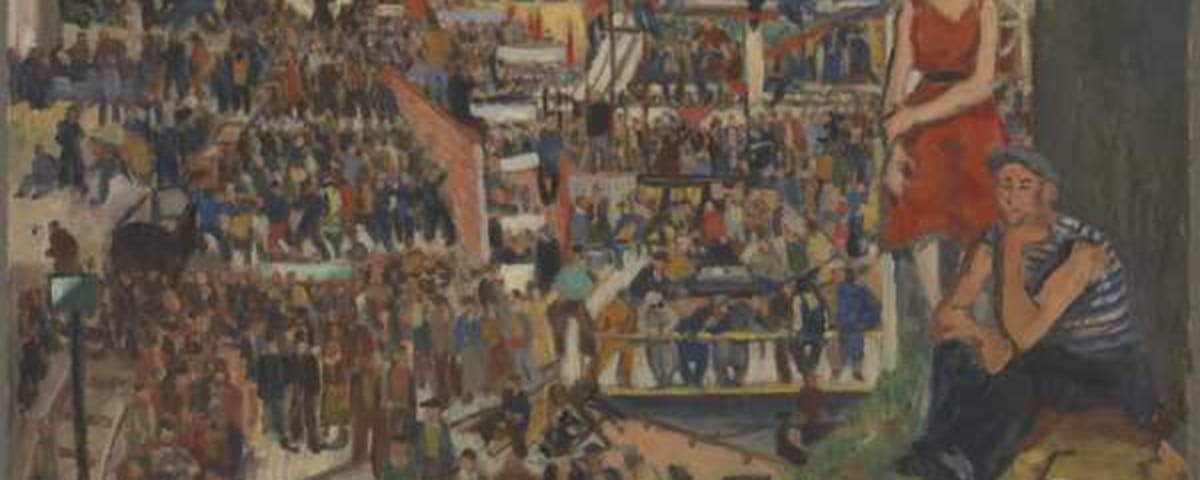
Socialist Realism was the official, ideologically imposed method of Soviet art, dominant from 1932 until the late 1980s. Its foundations were formulated after the Party decree of 1932 on the restructuring of literary and artistic organisations and were consolidated at the Writers' Congress of 1934; its ideologist was Andrei Zhdanov, and the slogan "engineers of human souls" defined the artist's role as that of a propagandist. Its key idea was the depiction of reality "in its revolutionary development" — that is, not as it is but as the Party saw it: heroicised labour, the happy collective farm, the leader, industry, optimism. Formally, Socialist Realism leaned on the academic realism of the nineteenth century, on clear narrative and legibility for the masses, categorically rejecting any formalism or avant-garde. In practice this meant strict censorship, canonical subjects and the cult of the leader. Ukrainian artists of varying stature worked within the era: Tetyana Yablonska in her early period created the famous canvas "Bread" (1949), a model of the style, though she later evolved toward a more individual manner; Serhiy Hryhoriev, Mykola Hlushchenko and Mykhailo Derehus left a substantial legacy. The canon rested on the principles of party spirit, ideological commitment and "popular character," and the artists' unions strictly policed adherence to the method. In the 1960s a more restrained "severe style" matured within its bounds, preparing the ground for a gradual departure from dogma. Socialist Realism was not a style in the natural sense but a system of control that suppressed the avant-garde and Boychukism and for decades defined the limits of the permissible. Its monopoly began to crumble with the Thaw and the Sixties movement, and finally collapsed at the end of the Soviet era, yielding to the underground and to new artistic freedoms.
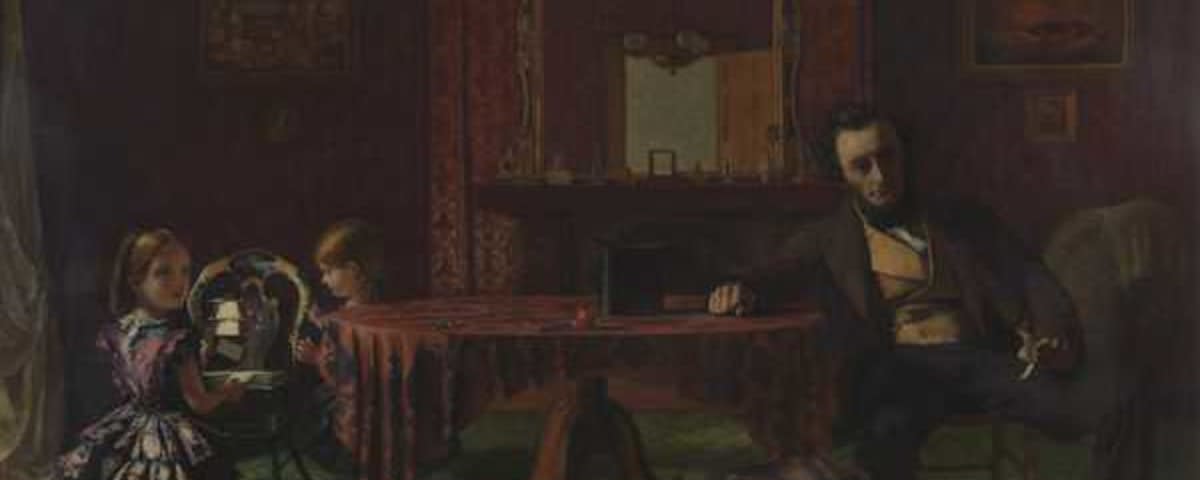
Social realism refers to any realistic painting or graphic work that also carries an explicit social or political comment, usually focused on the lives of workers, the poor and the marginalised. The tendency crystallised in the first half of the twentieth century as a response to economic crises, industrialisation and inequality; it aimed not to beautify reality but to bear witness to it. Related phenomena include Gustave Courbet as a forerunner, American painters of the Great Depression, and the Mexican muralists Diego Rivera and José Clemente Orozco. Social realism must be distinguished from the official doctrine of Socialist Realism imposed as state policy in the service of totalitarian propaganda. In twentieth-century Ukrainian art, painters who sought to depict the true fate of peasants and workers often faced ideological pressure, and their sincere social themes clashed with the rigid canons forced upon them from above.

Suprematism is a visual language of radical non-objective abstraction that proclaimed the supremacy of pure feeling over the depiction of real things. Its core idea, formulated by the Ukrainian artist Kazimir Malevich (born in Kyiv in 1879), was to reduce painting to primary geometric elements and colour as self-sufficient carriers of spiritual energy. Formally, Suprematism operates with simple figures — the square, circle, cross, rectangle and triangle — which hover in a boundless white space, freed from gravity and horizon. Its palette at first favoured pure local colours — black, red, blue and yellow on a white ground — and later arrived at "white on white". Composition is dynamic, built on diagonal ascents, rhythm and the tension between forms that create a sense of cosmic movement. Technically, the surface is smooth, impersonal and stripped of expressive brushwork. The movement's manifesto was the "Black Square" of 1915, shown at the "0.10" exhibition in Petrograd — a kind of "icon" of the new art. Malevich, whose roots are tied to Kyiv, gathered followers: El Lissitzky developed the idea in his "Prouns", while Olga Rozanova and Ivan Puni worked in a Suprematist vein. The movement interacted closely with Constructivism and influenced architecture and design. Suprematism became one of the cornerstones of the world avant-garde. Today it is valued for its philosophical radicalism, its purity of form and its visionary striving toward a new spiritual dimension of art.

Surrealism is a visual language that explores the unconscious, the dream and the realm of the irrational, striving to free creativity from the control of reason and logic. Its core idea, proclaimed in André Breton's manifesto of 1924, was to attain a "super-reality" through the fusion of dream and actuality, psychic automatism and unexpected associations. Formally, Surrealism divides into two currents: one meticulously illusionistic, with photographically rendered impossible scenes, and the other abstract and automatic, with freely flowing forms. Its palette may be cold and dreamily translucent or unsettlingly contrasting. Composition is often built on the illogical juxtaposition of incompatible objects, the deformation of space and the metamorphosis of forms. Its motifs are melting clocks, deserted perspectives, hybrid creatures, eroticism, fears and the phantoms of memory. Technically, its artists invented frottage, decalcomania and automatic writing. The Spaniard Salvador Dalí became famous for his "paranoiac-critical method" and "The Persistence of Memory"; the Belgian René Magritte, for his philosophical riddles of everyday images; while Max Ernst and Joan Miró developed the automatic line. Giorgio de Chirico, with his "metaphysical painting", was a forerunner of the movement. Surrealism absorbed the ideas of Freudian psychoanalysis and deeply influenced cinema, literature, advertising and fashion. Today it is valued for its liberation of the imagination, its poetics of surprise and its inexhaustible capacity to reveal the hidden depths of the human psyche.

Verism is a term derived from the Italian word verismo (realism), denoting an extreme, sometimes harsh truthfulness in depicting reality without idealisation. In its broader historical sense, verismo first described the Italian literary and operatic movement of the late nineteenth century, focused on the hard lives of ordinary people; in opera it was embodied by Giacomo Puccini, Pietro Mascagni and Ruggero Leoncavallo. In the visual arts the concept is used for an intensely precise, documentary naturalism, from ancient Roman portrait busts that mercilessly recorded a sitter's wrinkles and flaws to later realist tendencies. In the twentieth century the word was also applied to a wing of the German Neue Sachlichkeit (New Objectivity), whose figures such as Otto Dix and George Grosz exposed the social wounds of postwar society with pitiless candour. Common to all forms of verism is a refusal of embellishment and a determination to show life as it really is.

Vorticism was a British avant-garde group formed in London in 1914 with the aim of creating art that expressed the dynamism of the modern world, the energy of machines, the city and speed. The movement arose at the crossroads of Cubism and Futurism but sought its own sharp, geometricised style with hard lines, angles and machine-like forms. Its intellectual leader was the writer and painter Wyndham Lewis, and the name was proposed by the poet Ezra Pound, alluding to the vortex as a point of maximum creative energy. The group published the magazine Blast and included artists such as Henri Gaudier-Brzeska and Edward Wadsworth. Vorticism was short-lived: the First World War scattered its members, and Henri Gaudier-Brzeska was killed at the front in 1915. Despite its brevity, the movement was arguably the only distinctive British contribution to international early modernism and left a notable mark on the history of the European avant-garde in the first third of the twentieth century.